
How To
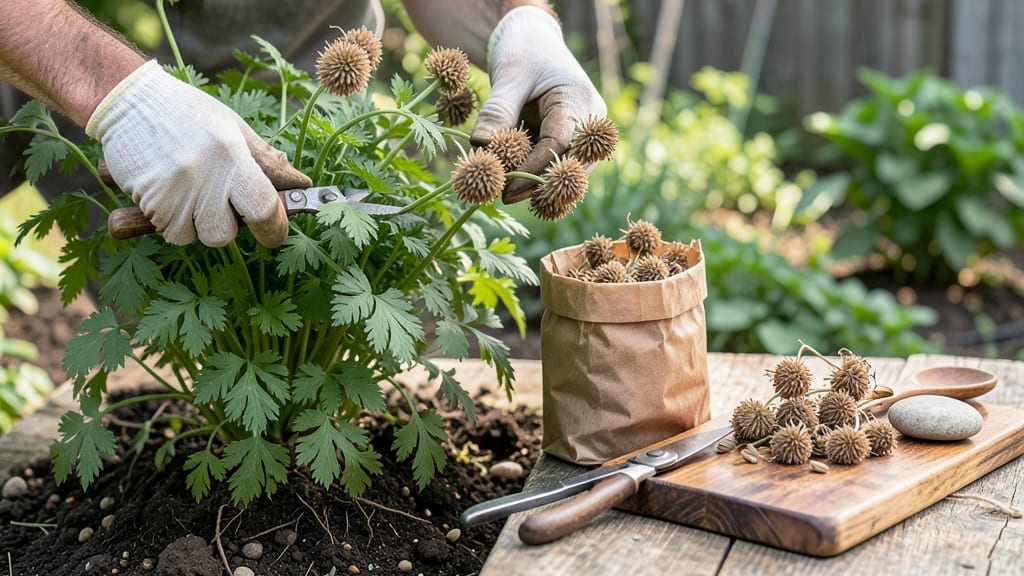
Harvesting coriander seeds requires patience and timing—waiting for the pods to turn brown and dry is the key to unlocking their full flavor potential.
If you’ve ever let your coriander plants bolt only to watch the seeds scatter before you could collect them, you know how frustrating it can be. 🌿 The difference between a wasted crop and a pantry full of aromatic seeds often comes down to knowing when to act.
Coriander thrives in USDA Zone 6a, and the best time to harvest seeds is during late summer or early fall—typically May-June or September-October, depending on your planting window. But how do you tell when the pods are truly ready?
In this guide, I’ll walk you through the exact signs to look for, step-by-step methods to collect seeds without losing a single one, and how to store them so they stay fresh for months. No more missed harvests—just a steady supply of homegrown coriander seeds for all your favorite dishes.


When to harvest coriander seeds: identifying the perfect ripeness stage
Harvesting coriander seeds at the right time ensures maximum flavor and yield. The key lies in watching for visual cues and understanding how environmental conditions influence maturity.
If you harvest too early, you’ll miss out on flavorful seeds, while waiting too long risks losing them to seed shattering—when pods crack open and scatter seeds prematurely.
Coriander plants typically take 75-90 days to reach seed maturity, depending on your climate zone and growing conditions. In warmer regions, this process speeds up, while cooler areas may extend the timeline.
Paying attention to pod color, texture, and plant behavior will help you pinpoint the ideal harvest window.
Here’s a quick reference to spot ripe coriander seed pods:
| Stage | Visual Cues | Environmental Factors | Action |
|---|---|---|---|
| Early Maturity (Not Ready) | Green pods, firm to touch, no rattling | Warm days (70-80°F), 6+ hours sunlight | Wait 1-2 weeks |
| Ideal Ripeness (Harvest Time) | Brown pods, dry and papery, rattle when shaken | Cooling temps (60-75°F), shorter daylight | Harvest immediately |
| Overripe (Seed Shattering) | Pods split open, seeds scatter, yellowing leaves | Dry, windy conditions | Collect remaining seeds ASAP |
The color change from green to brown is your first clue that coriander seeds are nearing maturity. Start checking your plants when pods begin to dry out and develop a papery texture.
At this stage, they’ll also rattle when gently shaken—a telltale sign that seeds inside are ready for harvest.
Temperature plays a crucial role in seed development. Coriander thrives in 60-75°F conditions during seed maturation. If temperatures drop below 50°F, growth slows, delaying ripeness.
Conversely, hotter-than-90°F weather can cause pods to dry too quickly, leading to premature shattering. Monitor your local weather forecasts to adjust your harvest timeline accordingly.
Daylight hours also influence seed ripening. In longer daylight seasons (spring/summer), coriander matures faster. As days shorten in late summer/fall, the process slows. If you’re growing coriander in USDA Zone 6a or cooler, aim to plant seeds in early summer for optimal seed production before the first frost.
Watch for leaf yellowing and dieback as another sign of seed maturity. As the plant shifts energy from leaves to seed production, older leaves will wilt and turn yellow. This is nature’s way of signaling that it’s time to focus on harvesting.
However, avoid waiting until all leaves are dead, as this increases the risk of seed loss.
One common mistake is harvesting seeds when pods are still slightly green. Underripe seeds lack full flavor and may not store well. To test readiness, gently press a pod—if seeds easily fall out, it’s time to harvest. If they’re still firmly attached, wait another 3-5 days for full ripeness.
If you miss the harvest window, don’t despair! Coriander plants often self-seed, meaning they’ll drop seeds into the soil naturally. These volunteer plants can sprout the following year, giving you a free harvest.
However, for the best quality, always aim to harvest seeds at peak ripeness for maximum flavor and storage life. 🌿
Step-by-step method for harvesting coriander seeds without losing them
Once your coriander plants have bolted and the seed pods turn brown, it’s time to act fast. The key to a successful harvest is timing and technique—cut too early, and the seeds won’t be mature; wait too long, and they’ll scatter before you can collect them. 🌾
I’ve learned the hard way that harvesting coriander seeds requires patience and the right tools. A simple paper bag or mesh screen can save you from losing seeds to birds or wind. Below, I’ll share my foolproof method for maximizing your yield while keeping every precious seed intact.
How to Harvest Coriander Seeds
-
Step 1: Wait for the Right Time
Harvest when 70-80% of pods are brown and dry, but before they crack open naturally. Use your fingers to gently press a pod—if seeds rattle inside, they’re ready. -
Step 2: Cut the Stems
Use clean pruning shears to snip stems about 2 inches above the base. Leave a few inches of stem attached to the pods to prevent them from falling apart during drying. -
Step 3: Bundle and Hang
Tie stems into small bundles with twine or rubber bands and hang them upside down in a dry, well-ventilated area (like a garage or shed). Avoid direct sunlight to prevent overheating. -
Step 4: Protect from Pests
Place a paper bag or mesh screen under the bundles to catch any seeds that fall. This also keeps birds and rodents from snacking on your hard-earned harvest. -
Step 5: Dry Completely
Let the bundles dry for 1-2 weeks until the pods are crisp and seeds rattle easily. If pods crack open, collect seeds immediately to avoid loss. -
Step 6: Remove Seeds
Once dry, gently rub the pods between your palms or use a clean cloth to release the seeds. Store them in an airtight container away from moisture and light.
If you’re harvesting in humid conditions, speed up the drying process by spreading pods on a tray lined with paper towels in a warm, dry place. Just be sure to check them daily to avoid mold or premature cracking. 🌡️
Pro tip: If you miss the harvest window, don’t worry! You can still collect seeds from fallen pods on the ground. Just sift through the debris with a fine-mesh screen to separate seeds from plant matter. This method works best in dry weather when pods are already mature.
With this method, you’ll go from seed to storage without losing a single one. Now you’re ready to enjoy the fruits of your labor—literally—in your favorite recipes! ✂️