How To
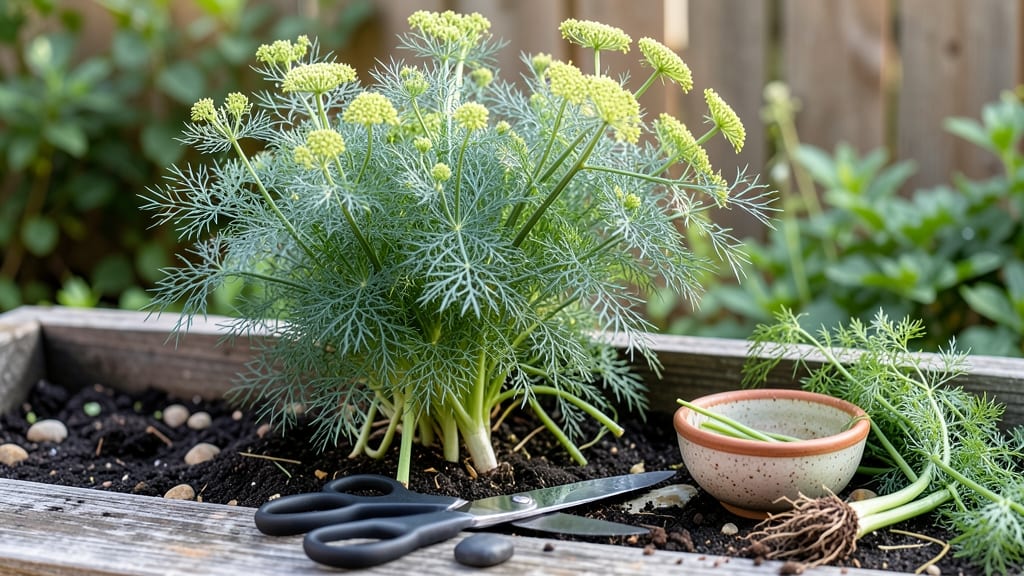
To harvest fresh dill at its peak flavor, focus on timing and technique—cutting just before flowering ensures tender leaves and encourages more growth.
Picture this: you’ve nurtured your 🌿 dill all season, and now it’s towering over your garden, but you’re not sure when to snip those feathery stems. Harvest too early, and you’ll miss the boldest flavor; wait too long, and the leaves turn bitter.
The sweet spot? When the plant is 6–12 inches tall and leaves are fully unfurled but before those yellow blooms appear.
Why does this matter? Because the right harvest keeps your dill thriving—so you get continuous yields all summer long. Plus, knowing when to cut leaves versus seeds means you can tailor your harvest to soups, pickles, or even next year’s garden.
In this guide, I’ll walk you through the best times to harvest, how to snip stems without harming the plant, and storage tips to keep your dill fresh for weeks. Ready to turn your garden into a flavor factory?


When to harvest dill for maximum flavor and yield
Timing is everything when it comes to harvesting fresh dill. The best flavor comes from leaves harvested before the plant bolts or flowers, but knowing when to pick ensures you get continuous growth and abundant yields.
For most gardeners, the ideal harvest window is between 45 and 60 days after planting, when the plant reaches 6 to 12 inches tall and leaves are fully unfurled but still tender.
If you're growing dill for seeds or flowers, you’ll want to wait until the plant begins flowering, but this sacrifices leaf production. Understanding these harvest stages helps you decide whether to prioritize leafy greens or seed heads for pickling or cooking.
Let’s break down the key signs and seasonal timing to maximize your harvest.
| Harvest Stage | Plant Characteristics | Best For | Seasonal Timing |
|---|---|---|---|
| Early Leaf Harvest | 6-12" tall, soft stems, fully open leaves | Fresh cooking, garnishes, pickling | June-August (USDA Zone 6a) |
| Pre-Flowering | 12-18" tall, buds forming but not open | Drying, seed production | Late July-September |
| Seed Stage | 24"+ tall, yellow flowers, brown seeds | Pickling, next year’s seeds | September-October |
For maximum flavor, I always harvest dill leaves in the morning after dew dries but before the sun gets too intense. This ensures the oils are concentrated and the leaves are crisp.
If you’re in a warmer climate (Zones 8-10), you might start harvesting as early as May, while gardeners in cooler zones (Zones 3-5) should wait until late June to avoid frost damage.
One common mistake is waiting too long to harvest, which leads to woody stems and bitter-tasting leaves. If your dill starts flowering, the leaves will still be usable but less flavorful. For continuous harvests, I recommend cutting outer stems first, allowing the inner growth to keep producing.
This pruning technique encourages bushier plants and extends your harvest season by 4-6 weeks.
If you’re growing dill for seeds, let some plants flower and form seed heads. The seeds are ready when they turn brown and dry, usually in late summer or early fall. To harvest, cut the seed heads and hang them in a paper bag to dry.
Once fully dry, shake the bag to collect the seeds for next year’s planting. This method ensures you’ll always have fresh dill without relying on store-bought seeds.
Over-harvesting can stress your dill plants, leading to stunted growth or even death. To avoid this, never remove more than one-third of the plant at a time. If you’re growing dill in containers, be extra cautious—smaller plants have limited resources.
Always use clean, sharp scissors to make clean cuts just above a leaf node, which encourages new growth.
In humid climates, dill may bolt prematurely, so focus on harvesting early and often. If you notice the plant sending up flower stalks too soon, reduce watering slightly and shade the plant for a few hours a day to slow bolting.
This trick can buy you 2-3 extra weeks of leaf production before the plant shifts its energy to seeds.
For gardeners in USDA Zone 6a, like myself, the peak harvest season runs from June through September. I’ve found that harvesting every 2-3 weeks keeps the plants productive and prevents them from becoming too leggy.
If you live in a shorter growing season, consider starting seeds indoors 4-6 weeks before the last frost to get an earlier harvest.
Remember, the key to successful dill harvesting is balance—harvest enough for your needs but leave enough foliage to keep the plant thriving. With the right timing and care, you’ll enjoy bold, flavorful dill all season long, whether you’re using it fresh, dried, or for pickling. Happy harvesting!
Step-by-step dill harvesting techniques for home gardeners
Harvesting fresh dill correctly keeps your plants productive and flavorful. The two most effective methods—snip-and-grow and cut-and-come-again—both encourage bushier growth while preserving the plant’s health. I’ll show you how to do both, plus when to harvest dill seeds for next year’s garden.
For leaf harvests, timing is everything. You want to snip stems when the plant is 6–12 inches tall and leaves are fully unfurled but before yellow flowers appear. This ensures tender, flavorful foliage while allowing the plant to regrow. Use sharp pruning shears or clean scissors to avoid damaging stems.
How to Harvest Fresh Dill
- Step 1: Choose a sunny morning after dew has dried. This ensures stems are firm and less likely to snap.
- Step 2: Locate the main stem (the thickest one) and use clean scissors to cut just above a set of leaves. This encourages new growth from the base.
- Step 3: For bushier growth, snip outer stems first, leaving the center intact. Avoid cutting more than 1/3 of the plant at once.
- Step 4: Rinse leaves under cool water to remove dirt, then pat dry with a paper towel. Store in an airtight container in the fridge for up to 1 week.
- Step 5: To harvest dill seeds, wait until seed heads turn brown and papery. Snap them off and dry in a paper bag for 2 weeks before storing.
If you’re aiming for a cut-and-come-again approach, harvest stems when they’re 8–12 inches tall and cut them back to 4–6 inches above the soil. This method works best in warm climates where dill grows vigorously. Just avoid cutting into woody stems, as this can stunt regrowth.
For seed harvests, let some stems flower and develop seed heads. Once the seeds turn brown and dry, cut the entire stem and hang it upside down in a paper bag to catch falling seeds.
Store them in a cool, dry place for up to 2 years—perfect for next year’s garden!
Pro tip: Always harvest in the morning when essential oils are at their peak. This ensures your dill retains its boldest flavor for cooking or preserving. With these techniques, you’ll enjoy a continuous harvest all season long.