
How To
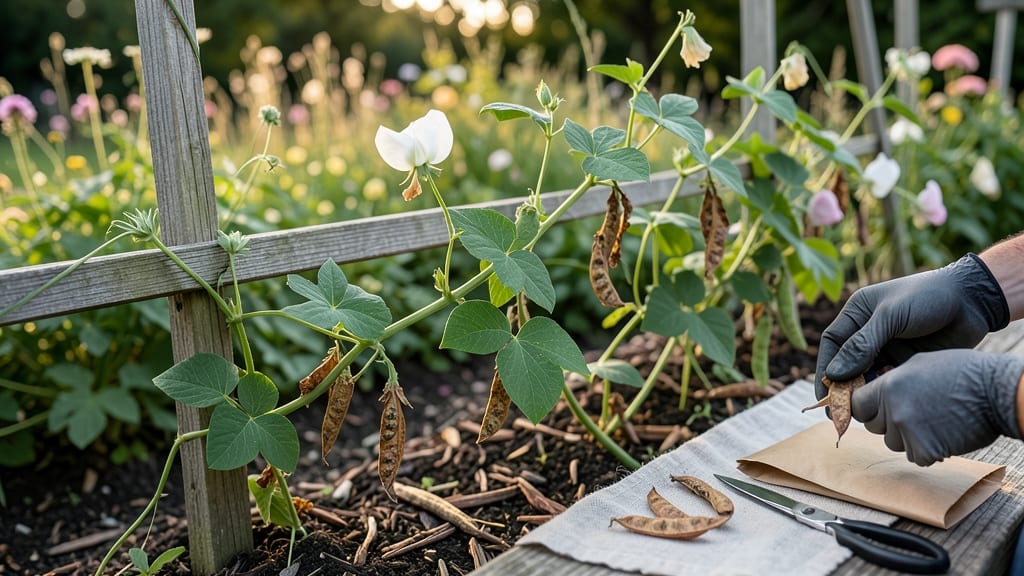
To harvest sweet pea seeds, wait until the pods turn brown and dry after the flowers fade—this is when they’re ready to collect.
Sweet peas aren’t just beautiful climbers—they’re a gardener’s secret to saving seeds for next year’s blooms. But timing the harvest wrong means losing those precious pods to pests or rot. Learn exactly when and how to collect sweet pea seeds before they crack open and scatter.
You’ll need to spot the right moment: pods should feel crisp and papery, not soft, and the seeds inside should be visible. A gentle shake will reveal if they’re ready—if they rattle, it’s time to act. Skipping this step means seeds scatter or spoil, wasting your hard work.
In this guide, I’ll walk you through the exact steps to harvest, dry, and store sweet pea seeds so you can grow next year’s vibrant climbers from your own saved seeds. No more guesswork—just a foolproof method for viable, ready-to-plant seeds.


When to harvest sweet pea seeds: identifying the perfect pod stage
Sweet pea seed pods start as vibrant green pods after flowering, but their transformation into mature seed containers is subtle. The key to successful seed saving lies in recognizing these color changes and texture shifts that signal harvest readiness.
Miss the window, and your pods may crack open prematurely, scattering seeds everywhere or attracting pests like aphids and slugs.
Timing is everything—harvest too early, and seeds won’t be viable; wait too long, and the pods will split open naturally. I’ve learned the hard way that patience is key here.
Observe your plants daily during the 4-6 week period after flowering when pods mature. This is when you’ll spot the telltale signs of readiness.
Color changes are your first clue. Start with green pods that gradually turn greenish-brown, then progress to a dull brown when fully mature. The pod’s seam will also begin to split slightly, revealing the seeds inside. If you see this, act quickly—these pods are on the verge of cracking open on their own.
Texture is another critical indicator. When pods are ready, they’ll feel crisp and papery to the touch, almost like dry parchment. Give them a gentle shake—if you hear seeds rattling inside, that’s your cue. Immature pods, on the other hand, feel soft and pliable, like fresh green beans. Squeeze one to test!
Environmental cues also play a role. Sweet peas thrive in cool, dry conditions, and pods mature faster in these environments. If your area experiences high humidity or frequent rain, pods may rot before reaching maturity.
In such cases, harvest pods as soon as they turn brown, even if slightly underripe, to prevent spoilage.
Here’s a quick visual guide to help you spot the perfect moment:
| Pod Stage | Color | Texture | Seed Visibility | Action |
|---|---|---|---|---|
| Immature | Bright green | Soft, pliable | Not visible | Wait 2-3 weeks |
| Developing | Greenish-brown | Slightly firm | Visible through seam | Monitor daily |
| Mature (Ready) | Dull brown | Crisp, papery | Clearly visible | Harvest immediately |
| Overripe | Brown, cracked | Dry, brittle | Seeds scattered | Too late |
Once you’ve identified mature pods, act fast. Use clean, sharp pruning shears or scissors to snip the pods from the vine, leaving a small stem attached. This prevents damage to the plant and makes handling easier.
Place the pods in a paper bag or open container to dry further—never seal them yet, as trapped moisture can cause mold.
If you’re unsure whether a pod is ready, split it open carefully. The seeds inside should be plump and firm, not shriveled or hollow. A healthy seed will feel solid when pressed gently between your fingers.
If seeds are wrinkled or discolored, the pod was overripe or exposed to too much heat or humidity.
Pro tip: Harvest on a dry, sunny day to minimize moisture exposure. Avoid harvesting after rain, as damp pods are prone to rot. I’ve found that early morning harvests work best, giving pods time to dry naturally throughout the day without attracting pests.
Remember, sweet pea seeds are short-lived—they lose viability quickly if stored improperly. Once harvested, dry them thoroughly for 1-2 weeks in a cool, dark place before storing. This ensures you’ll have healthy seeds ready for next year’s garden.
Step-by-step sweet pea seed harvesting process with pro tips
Once your sweet pea pods turn dry and brown, it’s time to harvest before they crack open and scatter seeds everywhere. I’ve learned the hard way—waiting too long means losing seeds to birds or rain.
The key is acting quickly when pods feel crisp and papery but haven’t split yet.
Gather your tools: a pair of clean pruning shears, a small bowl, and a dry towel. Work on a sunny, dry day to prevent moisture damage. I always harvest in the morning when pods are at their driest. This simple setup ensures you can process seeds efficiently without rushing.
How to Harvest Sweet Pea Seeds
-
Step 1: Snip pods with clean pruners
Cut fully brown pods from the vine, leaving a small stem. Avoid pulling—this can damage the plant. I always use sterilized shears to prevent disease spread.
-
Step 2: Shake seeds into a bowl
Place each pod on a dry towel and gently squeeze to release seeds. For stubborn pods, tap them lightly with a spoon. Never shake directly over soil—this attracts pests.
-
Step 3: Remove chaff and debris
Use a fine-mesh sieve to separate seeds from pod fragments. I often blow away light debris with a straw—it’s faster than picking by hand.
-
Step 4: Dry seeds for 1-2 weeks
Spread seeds in a single layer on a paper towel in a warm, dry place (like a sunny windowsill). Stir daily to prevent mold. Humidity is the enemy—seeds can rot if left damp.
-
Step 5: Store in airtight containers
Transfer dried seeds to paper envelopes or glass jars with silica gel packets. Label with the harvest date—viability drops after 2 years. I keep mine in a cool, dark pantry.
If you miss the window and pods crack open naturally, don’t panic. Collect any whole seeds you find on the ground and dry them immediately. I’ve salvaged seeds this way, though germination rates may drop. The key is acting within 24 hours of cracking to prevent spoilage.
Pro tip: Avoid harvesting seeds from hybrid varieties—they may not grow true to type. Stick to heirloom sweet peas like ‘Cupani’ or ‘Perfume’ for reliable results. I always double-check labels before saving seeds from new plants.
With this method, you’ll have high-quality seeds ready for next spring’s garden. The satisfaction of growing from your own saved seeds is unmatched—plus, you’ll save money and ensure varieties you love keep coming back.