How To
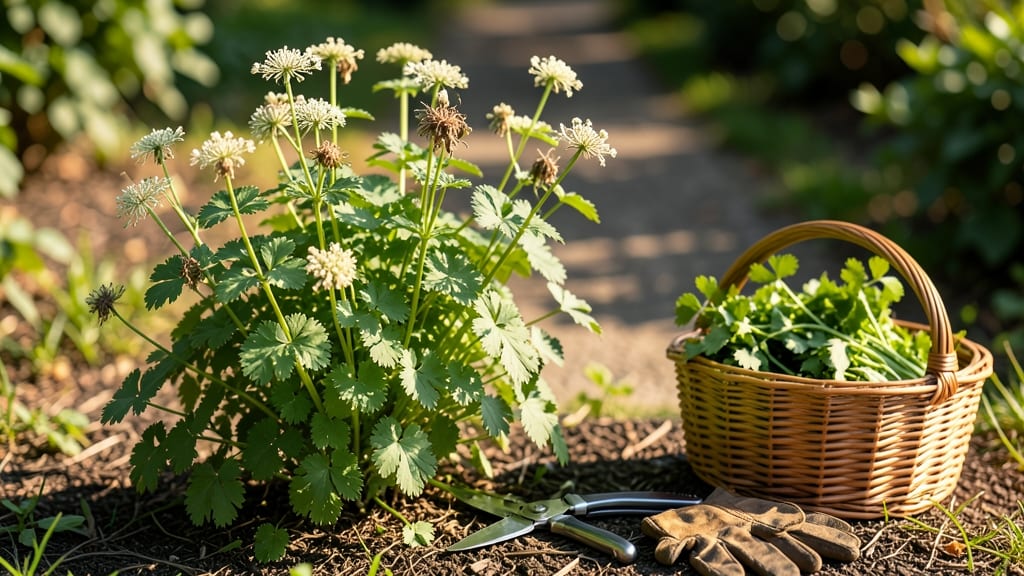
Harvesting coriander when its stems reach 12 inches unlocks the freshest leaves and keeps your plant thriving 🌿.
Picture this: you’ve nurtured your coriander for weeks, only to pull a handful of bitter, woody stems because you waited too long. That’s the difference between a vibrant harvest and disappointment—and timing is everything.
The key is cutting just above a leaf pair with clean scissors, leaving enough foliage for regrowth. Do it right, and your plant will bush out for weeks of flavorful harvests. Skip the details, and you risk bolting, which turns your herb into a seed stalk overnight.
Below, I’ll walk you through the exact steps—when to cut, how to store your haul, and the one mistake that kills productivity faster than anything else.


When and how to harvest coriander for maximum freshness and regrowth
Coriander’s delicate leaves pack a burst of flavor, but harvesting at the right time ensures maximum freshness and regrowth—so when your stems hit 12 inches, it’s time to act! The key is timing: harvest when the plant is 4-6 weeks old and has 4-6 true leaves.
This ensures you get the most flavorful leaves while encouraging the plant to produce more growth. Waiting too long can lead to bolting, where the plant flowers and becomes bitter.
I’ve found that harvesting outer leaves first is the gentlest method. This approach allows the inner leaves to keep growing while giving you fresh herbs for your kitchen. If you’re growing coriander in containers or pots, you’ll need to harvest even more carefully to avoid disturbing the roots.
Always use clean, sharp scissors or pruning shears to make clean cuts and prevent damage to the plant.
Here’s how to harvest coriander like a pro—step by step:
Step-by-Step Coriander Harvesting Guide
- Step 1: Wait until the plant reaches 12 inches tall and has 4-6 true leaves. This ensures the leaves are fully developed and flavorful.
- Step 2: Use clean scissors or pruning shears to snip the outer leaves just above a leaf node. Avoid cutting into the main stem to encourage regrowth.
- Step 3: Harvest in the morning after the dew has dried. This ensures the leaves are crisp and full of moisture for the best flavor.
- Step 4: Leave the inner leaves and stems intact. These will continue growing, producing more leaves for future harvests.
- Step 5: Space your harvests 2-3 weeks apart to allow the plant to recover and grow bushier. Over-harvesting can stress the plant and reduce productivity.
To encourage bushier regrowth, I recommend spacing your coriander plants 6-12 inches apart when sowing. This gives each plant enough room to grow without competing for nutrients. After harvesting, avoid fertilizing heavily—just a light feeding with a balanced fertilizer every 4-6 weeks will keep your coriander thriving.
Too much fertilizer can lead to rapid growth, which often results in bolting.
If your coriander starts to bolt (elongate stems and flower), don’t panic! You can still harvest the leaves and seeds. The seeds are great for cooking, and the plant may produce a few more leaves before fully flowering.
However, the flavor of the leaves will start to deteriorate once bolting begins. To prevent bolting, ensure your coriander gets consistent watering and partial shade during hot afternoons, especially in summer months.
For maximum regrowth, prune the plant regularly by trimming back any long or leggy stems. This encourages the plant to grow more leaves rather than tall stems. I also recommend harvesting the youngest leaves first—they’re the most tender and flavorful.
If you’re growing coriander in containers, choose a pot that’s at least 6 inches wide to give the roots enough space to spread and support regrowth.
One common mistake I see is harvesting too much at once. If you cut back more than one-third of the plant in a single session, it can shock the plant and slow down regrowth.
Instead, focus on selective harvesting—taking only what you need while leaving enough foliage to sustain the plant. This approach ensures you’ll have a continuous supply of fresh coriander all season long.
Pro tip: If your coriander starts to yellow or wilt after harvesting, it might be underwatered or stressed. Give it a deep watering and place it in a shadier spot for a few days to recover.
With the right care, your coriander plant can produce harvests for months, even in cooler climates. Just remember: patience and consistency are key!
Now that you’ve mastered the art of harvesting coriander, you’re ready to enjoy fresh, flavorful herbs straight from your garden all season long. Happy gardening! 🌿✂️
Coriander harvesting mistakes that kill your plant’s productivity
Harvesting coriander too aggressively or at the wrong time can turn your thriving herb into a sad, leggy shadow of its former self 🌱. I’ve watched my own plants bolt overnight after a single careless cut—don’t let that happen to you!
The most common mistakes involve timing, tools, and harvesting technique, all of which can stunt regrowth or trigger bolting.
One of the biggest culprits is over-harvesting. If you snip more than one-third of the plant at once, you’re starving it of energy to produce new leaves. I once cut back my entire plant in one go, thinking I’d get more—only to watch it struggle for weeks to recover.
Patience is key here; think of each harvest as a small trim, not a haircut.
Using the wrong tools is another silent killer. Dull scissors or your fingers can crush stems, inviting disease and stress. Always reach for clean, sharp pruning shears or kitchen scissors—just sanitize them with rubbing alcohol first. I keep a small bottle by my garden tools to avoid cross-contamination between plants.
Timing matters just as much as technique. Harvesting when the morning dew is still on the leaves can cause them to wilt faster. Wait until late morning when the plant is dry, or you’ll end up with a limp, sad-looking bunch.
I’ve learned this the hard way after rushing harvests for last-minute recipes!
⚠️ The #1 Mistake That Kills Coriander Productivity
Harvesting too close to the base (below the bottom leaf pair) removes the plant’s energy source. Always cut just above a leaf node—this encourages bushier regrowth. If you’ve already made this mistake, trim back any bare stems and fertilize lightly with a balanced 5-10-10 to revive growth.
Even well-intentioned gardeners fall for the trap of harvesting seeds too early. Coriander bolts quickly in hot weather, and those white flower umbrellas signal the end of leaf production. If you’re growing for seeds, let 50% of the flowers turn brown before harvesting.
For leaves, though, pull the whole plant once it bolts—it won’t regrow, but you’ll get seeds for next season.
To extend your harvest season, try successive planting every 2-3 weeks in spring and fall. I’ve had coriander growing in my garden from May through October this way, with overlapping harvests. Just remember: shade-cloth in summer can delay bolting, giving you more leaf harvests before the plant focuses on seeds.
If your plant looks stressed after harvesting, don’t panic. Give it bright indirect light, consistent water, and a light feeding of compost tea. Within a week, you’ll see new growth sprout from the base.
I’ve revived plants that looked ready for the compost bin—proof that even the most neglected coriander can bounce back with a little TLC!