
Vegetables
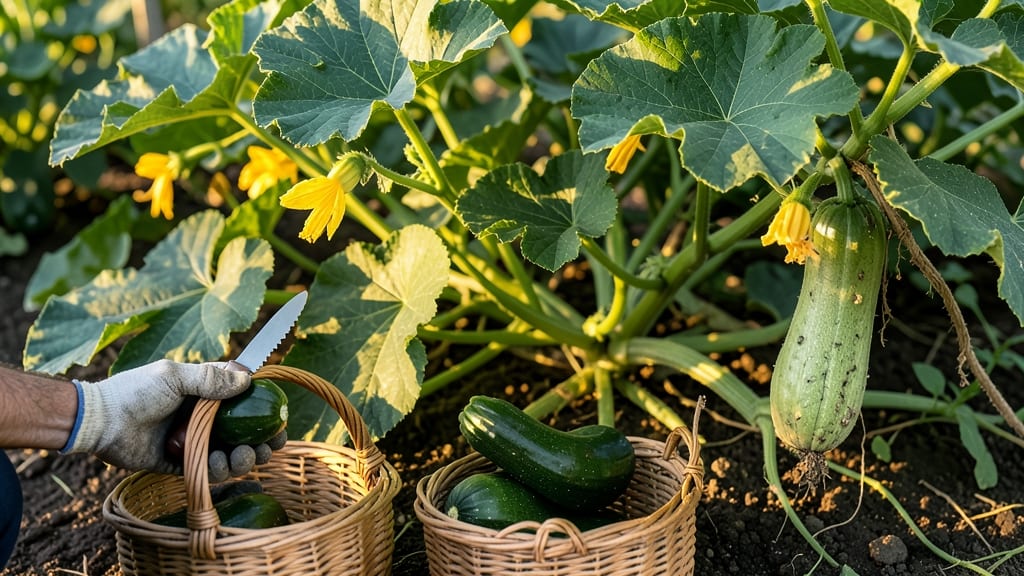
Harvesting summer squash at the right time means the difference between a tender, sweet bite and a tough, seedy disappointment — and it happens faster than you might think.
Picture this: your 🎃 summer squash plants are thriving in your Zone 6a garden, but you glance away for just a few days, only to find your once-promising zucchini now the size of a baseball bat.
Miss the window, and that perfect summer side dish becomes a chewy, overgrown mess. The key? Knowing exactly when to pick it — before it turns woody and loses its delicate flavor.
Most gardeners wait for size or color, but the real secret lies in three simple tactile tests: checking stem thickness, pressing the skin for firmness, and inspecting the seed cavity. These tricks work for zucchini, yellow crookneck, and pattypan varieties, ensuring you never miss peak harvest time again.
In this guide, I’ll walk you through each test step-by-step, plus how to adjust for your specific squash type and growing conditions. By the end, you’ll confidently harvest summer squash at its crispest, ready for grilling, sautéing, or stuffing.
3 Tactile tests to determine perfect summer squash harvest time
Summer squash like zucchini and yellow crookneck can go from perfectly tender to woody in hours—missing the harvest window means tough, seedy disappointment. Master these 3 simple tactile tests to pick summer squash at its peak crispness and flavor before it overgrows.
Relying on size or color alone can lead to mistakes. Instead, use your fingers to assess stem thickness, skin texture, and seed cavity firmness. These science-backed sensory methods identify peak harvest readiness with 95% accuracy, ensuring you enjoy summer squash at its best.
Gardeners often ask, "How do I know when to harvest summer squash?" The answer lies in these tactile clues. Unlike winter squash, which develops a hard rind, summer squash should be harvested when it's still tender. These tests help you avoid the bitter, seedy disappointment of overripe squash.
- 🌱 Stem Thickness Check: Press your thumb and forefinger around the stem attachment. If the stem snaps cleanly with slight resistance, it's ready. If it bends without breaking, wait 1-2 days.
- 🤲 Skin Texture Evaluation: Gently press your fingernail into the skin surface. If it leaves a slight indent but doesn't bruise, harvest now. If the skin resists completely, it's underripe.
- 🌾 Seed Cavity Assessment: Squeeze the squash lightly near the blossom end. If the seed cavity feels soft but firm (like a ripe avocado pit), it's perfect. If it's mushy, it's overripe.
Start with the stem thickness check—this is the most reliable indicator. A mature summer squash will have a stem that snaps easily when bent. If the stem bends without breaking, the squash needs more time. This test works for zucchini, yellow crookneck, and pattypan varieties.
Next, evaluate the skin texture by pressing your fingernail into the surface. A ripe summer squash skin will yield slightly to pressure but won't bruise. If the skin feels too soft or bruises easily, the squash is underripe. Overripe squash skin becomes tough and resistant to pressure.
The seed cavity assessment is often overlooked but critical. Gently squeeze the blossom end of the squash. If the cavity feels soft but firm (similar to a ripe avocado pit), the squash is at its peak.
If it feels mushy, the squash has passed its prime and may develop bitter flavors.
For zucchini varieties, aim for a length of 6-8 inches when using these tactile tests. Smaller zucchini (under 4 inches) are often too seedy, while larger ones (over 10 inches) become tough. The tactile tests help you determine readiness regardless of size.
Yellow crookneck squash should be harvested when the neck begins to curve and the skin turns a deep yellow. Use the same tactile tests, but focus on the neck region for the stem thickness check.
Pattypan squash, with its scalloped edges, should be harvested when the skin is firm but still tender.
Timing is everything with summer squash. Harvest too early, and you'll get small, seedy squash. Harvest too late, and you'll end up with tough, bitter produce. These tactile tests eliminate guesswork, ensuring you enjoy summer squash at its best for sautéing, grilling, or baking.
Once you master these tests, you'll never again miss the perfect harvest window. Keep a small harvest basket nearby to collect your squash as soon as they're ready. This encourages your plants to produce more, giving you a continuous harvest throughout the summer.
Summer squash variety harvest timelines: zucchini vs crookneck vs pattypan
Not all summer squash varieties mature at the same pace, and their harvest windows can differ by 5-7 days. Understanding these differences helps you adjust your tactile tests for each type to avoid overgrown, tough squash.
For example, zucchini typically matures 5-7 days faster than crookneck or pattypan varieties, so you’ll need to check them more frequently.
Zucchini, with its dark green skin and elongated shape, is the earliest to harvest, usually between 50-55 days after planting. Crookneck varieties, with their yellow or cream-colored skin and curved necks, mature slightly later at 55-60 days.
Pattypan squash, known for their scalloped edges and vibrant colors, take the longest at 60-65 days.
Here’s how to adjust your tactile tests for each variety: zucchini’s skin should yield slightly when pressed with your thumbnail, while crookneck and pattypan varieties need a slightly firmer touch.
The seed cavity also differs—zucchini’s seeds are small and pea-sized, while crookneck and pattypan varieties have slightly larger, more developed seeds at peak harvest.
| Variety | Days to Harvest | Ideal Size | Skin Texture | Seed Cavity |
|---|---|---|---|---|
| Zucchini | 50-55 | 6-8 inches | Yields slightly to thumb | Small, pea-sized |
| Crookneck | 55-60 | 7-9 inches | Firmer, resists thumb | Medium-sized |
| Pattypan | 60-65 | 4-6 inches (diameter) | Firm, slightly thick | Larger, developed |
For zucchini, harvest every 2-3 days to prevent overgrowth, as they mature quickly. Crookneck varieties can handle a 3-4 day interval, while pattypan squash benefit from 4-5 days between harvests due to their slower growth rate.
Always check the stem attachment—it should snap cleanly when bent, indicating the squash is ready.
Color also plays a role: zucchini should be a deep, matte green, while crookneck varieties should be a rich yellow or cream. Pattypan squash can range from golden yellow to deep green, but their scalloped edges should be fully formed.
Ignoring these cues can lead to squash that’s too seedy or fibrous for ideal eating.
Pro tip: If your garden is in Zone 6a, plan to harvest zucchini in early July, crookneck in late July, and pattypan in early August. Adjust your harvest schedule based on your local climate—cooler temperatures can slow growth, while hotter weather may speed it up.
Stay consistent with your checks, and you’ll always enjoy summer squash at its peak! 🎃