
How To
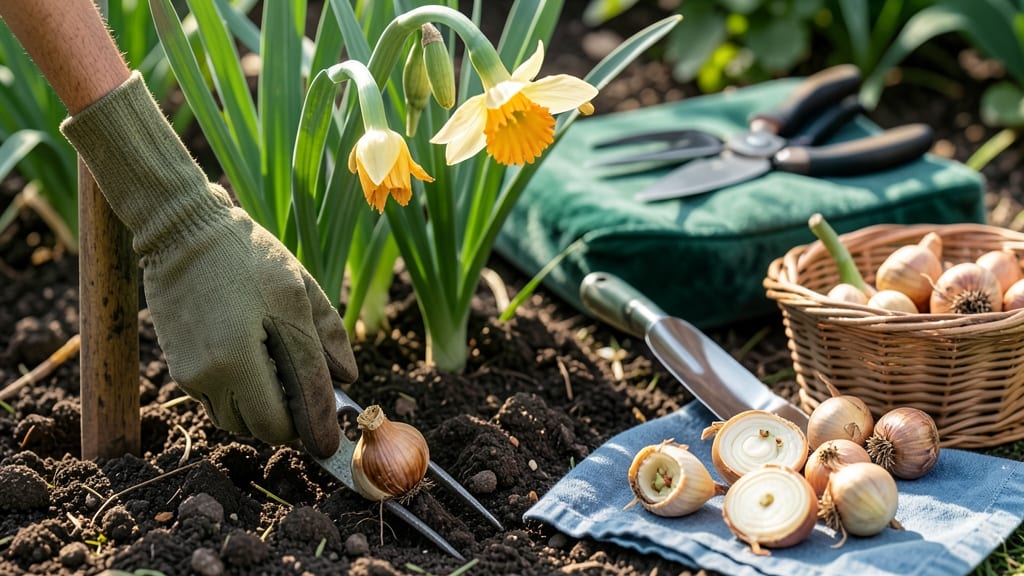
Harvesting daffodils properly ensures next year’s vibrant blooms—but timing and technique make all the difference.
Picture this: you’ve waited months for your 🌼 daffodils to burst into color, only to realize harvesting too soon can weaken the bulb or even kill your plant. The key is knowing when to cut stems for bouquets and when to dig up bulbs for replanting—without sacrificing future flowers.
Most gardeners focus on the blooms but overlook the foliage, which is just as critical. Let those leaves yellow naturally after flowering—skipping this step means smaller, weaker blooms next spring.
I’ll walk you through the exact 6-8 week window for bulb harvest, plus how to snip stems for cut flowers without harming the plant.
Ready to master the art? You’ll learn the tools you need, step-by-step extraction methods, and how to store bulbs (or replant them) for a garden full of healthy, long-lasting daffodils year after year.


When to harvest daffodil bulbs for future planting without killing the flower
Harvesting daffodil bulbs at the right time ensures strong blooms next season while keeping your plants healthy. The key is waiting 6-8 weeks after flowering—this gives the foliage time to photosynthesize and replenish the bulb’s energy stores.
If you dig them too early, you’ll weaken the bulb and risk poor or no blooms in spring. Let the leaves turn yellow-brown and wither naturally before harvesting, as this signals the bulb has fully matured.
I’ve learned the hard way that rushing the harvest leads to smaller, weaker bulbs. Patience is critical—even if the flowers are gone, the leaves are working hard underground. Once the foliage dies back completely, you can safely lift the bulbs without harming future growth.
This timing usually falls in late spring to early summer, depending on your climate zone.
Before you dig, check for these 3 key signs your daffodil bulbs are ready: 1. Foliage is completely yellow and crispy, 2. No new growth appears, and 3. The soil is dry and workable.
These clues confirm the bulb has stored enough nutrients for next year. Skipping this step often results in bulbs that fail to bloom or produce weak stems.
Step-by-Step Guide to Harvesting Daffodil Bulbs
- Step 1: Wait for foliage to die back – Harvest only after leaves turn yellow-brown and wither naturally (usually 6-8 weeks post-bloom).
- Step 2: Gently loosen the soil – Use a hand fork or trowel to dig around the bulb, working 2-3 inches away from the stem.
- Step 3: Lift the bulb carefully – Grasp the bulb’s base and pull upward. Avoid tearing or cutting the bulb or roots.
- Step 4: Remove excess soil – Shake off loose dirt, but leave some soil attached to protect the bulb’s outer layer.
- Step 5: Cure the bulbs – Lay them in a shady, dry place for 1-2 weeks to harden the skin before storage.
- Step 6: Store properly – Place bulbs in a paper bag or mesh container with good airflow in a cool, dark spot (50-60°F).
When lifting bulbs, I always use a hand fork to avoid damaging the bulb’s delicate layers. Digging too close to the stem can cause cuts that invite rot. After removing excess soil, I inspect each bulb for soft spots or mold, which are signs of disease.
Healthy bulbs should feel firm and plump, not shriveled or hollow.
One common mistake is harvesting bulbs too soon after flowering, thinking the plant is done. But the leaves are still feeding the bulb! If you dig them early, you’ll get smaller, weaker bulbs that may not bloom next year.
I’ve seen gardeners skip this step and end up with barely visible flowers or no blooms at all—don’t let that be you!
After curing, store your bulbs in a well-ventilated container like a mesh bag or cardboard box. Avoid plastic bags, as they trap moisture and cause rot. I label each bag with the variety and harvest year to keep track.
Store them in a garage or basement where temperatures stay consistent, and check them monthly for signs of spoilage.
For replanting, I wait until fall (September-November), about 6-8 weeks before the first frost. Planting too early can encourage premature growth, while waiting too long risks frost damage. Dig a hole 6-8 inches deep and space bulbs 4-6 inches apart in well-draining soil.
A little bone meal fertilizer in the hole gives them a nutrient boost for next spring.
If you’re harvesting bulbs to divide your daffodil patch, this is the perfect time. Overcrowded bulbs produce smaller flowers and weaker stems. After lifting, separate bulbs with multiple layers (offsets) and replant the largest ones for the best blooms.
Smaller offsets can be stored for a year before planting to give them time to mature.
Remember, the goal is to preserve bulb health while ensuring next year’s blooms are even more stunning. With the right timing and care, your daffodils will reward you with vibrant, long-lasting flowers for seasons to come. Happy digging! 🌼
How to harvest daffodil stems for cut flowers without damaging the plant
When your 🌼 daffodils reach their peak bloom, harvesting stems for cut flowers is a fantastic way to enjoy their beauty indoors. But cutting too early or improperly can stress the plant and reduce next year’s blooms.
The secret lies in timing—harvesting at the right moment ensures your daffodils stay healthy while still delivering stunning bouquets.
Start by selecting stems with fully open blooms but avoid those that are wilting or fully spent. The best time of day to cut is early morning when stems are hydrated and fresh. This simple habit makes all the difference in vase life and plant health.
I’ve found that stems cut at this time last 5-7 days longer in arrangements than those harvested later in the day.
Use a sharp, clean pair of pruners or shears to make a 45-degree angle cut about 2 inches above the foliage. This angle increases water uptake, helping stems stay fresh longer.
Avoid tearing stems—rough cuts can introduce bacteria and shorten vase life. Always sanitize your tools with rubbing alcohol before and after cutting to prevent disease spread.
After cutting, immediately place stems in a bucket of lukewarm water to prevent air bubbles from blocking the stem’s vascular system. Change the water every 2-3 days and trim stems by an inch each time to encourage fresh water uptake.
Adding a flower preservative (or a pinch of bleach and sugar) can extend vase life by up to 3-4 days.
Once your bouquet is complete, store it in a cool location away from direct sunlight and drafts. Daffodils are sensitive to ethylene gas, so keep them away from fruits like apples or bananas, which release this aging hormone.
Proper storage helps maintain their vibrant color and freshness for days. I’ve even had success forcing daffodil stems to rebloom by placing them in water after cutting—just change the water daily!
While enjoying your cut flowers, remember that the foliage’s job isn’t done yet. Allow the leaves to yellow naturally over 6-8 weeks—this critical step ensures the bulb stores enough energy for next spring’s blooms.
Resist the urge to tidy up too soon, or you’ll sacrifice next year’s daffodil display. With these tips, you’ll harvest stunning stems while keeping your garden thriving for seasons to come.