How To
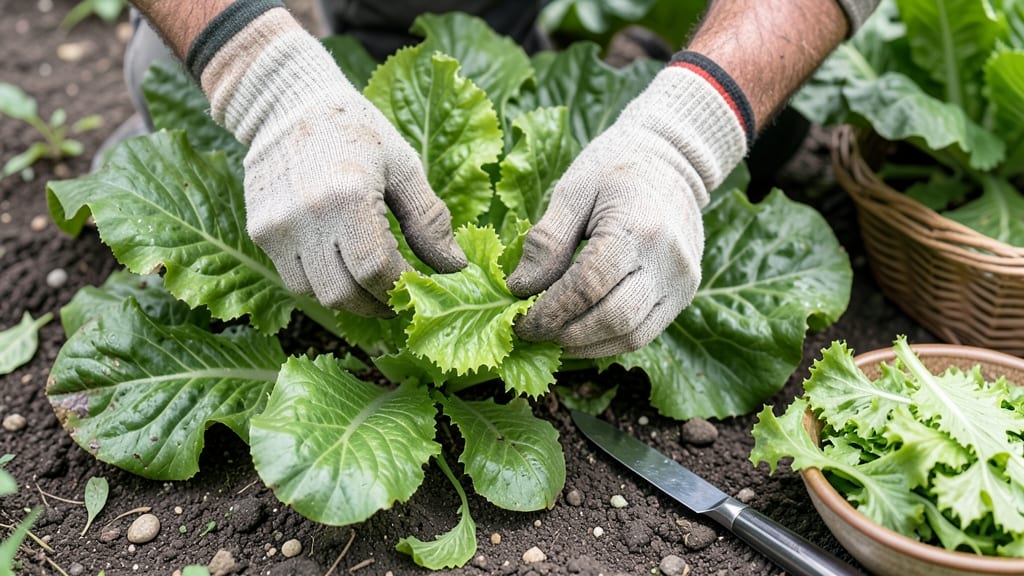
Harvesting loose leaf lettuce 🥬 the right way means fresh greens all season without waiting for a full head—just cut the outer leaves when they’re 4-6 inches long.
Want fresh, crisp lettuce all season long without waiting for a full head to mature? Harvesting loose leaf lettuce correctly ensures a steady supply while encouraging regrowth—here’s exactly how to do it right.
Most gardeners make the mistake of waiting too long or cutting too close to the stem, which stunts future growth. The key is to trim just 1/3 of the outer leaves at a time, leaving the inner leaves intact to keep producing.
In this guide, you’ll learn the best times to harvest, how to cut for regrowth, and what to avoid to keep your lettuce thriving for weeks—no bolting or bitterness in sight.


When and how to harvest loose leaf lettuce for maximum regrowth
Harvesting loose leaf lettuce at the right time is the secret to enjoying fresh greens all season without waiting for a full head to form. Unlike head lettuce, loose leaf varieties regrow after harvesting, giving you a continuous supply if you follow the proper techniques.
The key lies in timing, cutting methods, and understanding your plant’s signals.
Most loose leaf varieties like Buttercrunch, Oakleaf, or Red Sails are ready for harvest when the outer leaves reach 4-6 inches in length. This size ensures the leaves are tender and flavorful while leaving enough energy in the plant for regrowth.
Waiting too long can lead to bitter leaves or even bolting, especially in hot weather.
Seasonal timing plays a huge role in lettuce regrowth. In spring, you can start harvesting as early as 4-5 weeks after planting, but always wait until the plant is at least 6 inches tall.
During fall harvests, aim to finish harvesting before the first frost—typically by mid-October in Zone 6a—to avoid damage. If you’re growing in hot climates, focus on early morning harvests to prevent wilting.
Climate impacts your harvesting frequency too. In cooler regions, you can harvest every 7-10 days throughout the growing season. However, in warmer zones, the plant may bolt or go to seed faster, so harvest more aggressively to encourage continuous leaf production.
If your lettuce starts developing flower stalks, it’s a sign you’ve waited too long—time to pull and replant!
One of the biggest mistakes gardeners make is cutting too close to the base or removing too many leaves at once. Always leave at least 3-4 inner leaves to keep the plant photosynthesizing.
Another common error is harvesting during peak heat, which can cause the remaining leaves to wilt or turn bitter. Stick to early morning harvests when leaves are crisp and hydrated.
After harvesting, rinse your lettuce leaves in cool water and store them in a ventilated container lined with a paper towel to remove excess moisture.
For regrowth, keep the soil consistently moist (about 1 inch of water per week) and fertilize lightly with a balanced 5-10-10 fertilizer every 4-6 weeks. Avoid over-fertilizing, as this can lead to bolting or leafy growth that’s less tender.
With the right harvesting techniques, you can enjoy continuous lettuce production for 6-8 weeks in spring and 4-6 weeks in fall. The key is patience and consistency—harvest a little, let it regrow, and repeat.
Before you know it, you’ll have a homegrown salad supply that rivals the store-bought variety, minus the bitter aftertaste!
Pro tip: If your lettuce starts to bolt (send up flower stalks), don’t panic. Simply harvest the remaining leaves for immediate use and pull the plant to make room for a new crop.
This is a natural part of the lettuce life cycle, and it’s better to use the leaves before they become tough and bitter.
Step-by-step guide: proper cutting techniques for continuous lettuce
Harvesting loose leaf lettuce 🥬 the right way transforms your garden into a never-ending salad bar. The secret lies in selective cutting—never removing more than 1/3 of the plant at once.
This method preserves the growth point at the base, allowing new leaves to flourish while you enjoy a steady harvest.
Start by identifying the outer leaves, which are the first to mature. These are your primary targets for harvesting, as they’re fully grown while the inner leaves remain tender and growing. Using the wrong tools or cutting too aggressively can trigger bolting (premature flowering) or even kill your plant.
⚠️ callout-warning ⚠️
Never trim within 1 inch of the base—this removes the growth center and stunts future leaves. Always leave at least 2-3 inner leaves intact to keep the plant producing.
✂️ Tool Tip: Use clean, sharp scissors or pruning shears to make precise cuts. Dull blades crush stems, inviting disease.
For your first harvest, wait until the plant reaches 6-8 inches tall and the outer leaves are 4-6 inches long. Use a pair of bypass pruners or clean scissors to snip just above a leaf node (the small bump where leaves attach).
Angle your cut slightly downward to avoid water pooling on the stem, which can cause rot.
After cutting, rinse the leaves under cool water to remove dirt and debris. Store them in a perforated plastic bag in the fridge for up to 5-7 days. The remaining plant will regrow in 2-3 weeks, provided it gets 4-6 hours of sunlight daily and consistent moisture.
To maximize regrowth, harvest every 2-3 weeks during the growing season. In hot summer months, lettuce may bolt faster—harvest more aggressively and provide afternoon shade to slow down maturity. Mulch around the base with straw or shredded leaves to retain moisture and cool the roots.
If your lettuce starts to taste bitter or develop yellowing leaves, it’s a sign of stress from heat or drought. Cut back immediately to reduce stress and focus on keeping the soil consistently moist while providing shade.
With the right cutting technique, you’ll enjoy continuous harvests for months—no full heads required! 🌱