
How To
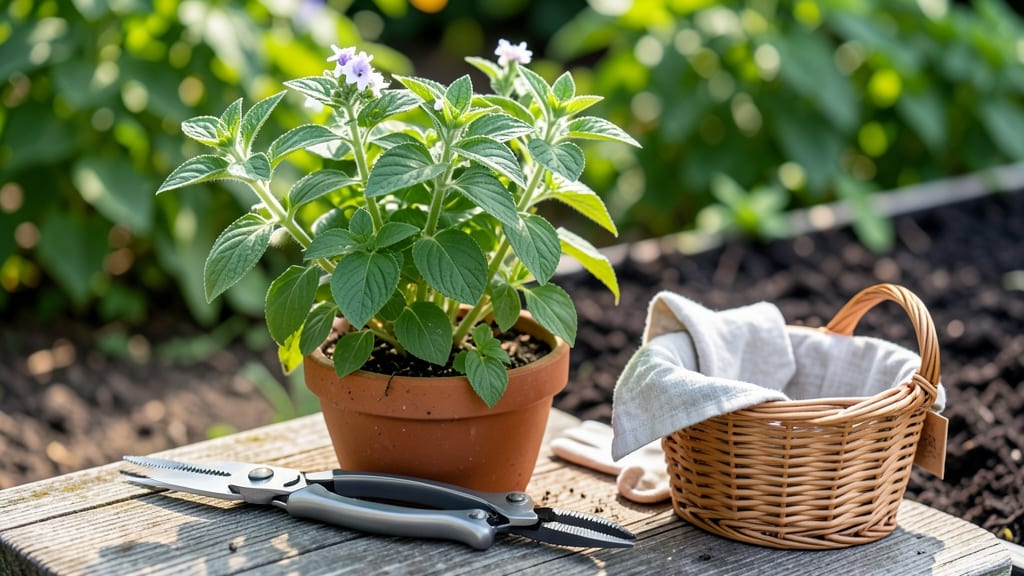
To harvest tulsi correctly means you’ll get flavorful leaves for months while keeping your plant lush and productive.
Picture this: you pinch back a few leaves in the morning, expecting a steady supply for your tea or cooking, only to watch your tulsi 🌿 stretch into leggy stems by midday.
That’s the difference between a thriving harvest and a plant fighting to recover. The timing, the cut, and even the time of day matter more than you might think.
You don’t need a green thumb to master this—just a few simple tricks. Harvest before flowering for the strongest flavor, prune the right way to encourage bushier growth, and store your bounty properly to keep it fresh.
Below, I’ll walk you through every step, from the best time to snip to how to revive a plant that’s been overworked.
By the end, you’ll know exactly when to cut, how much to take, and how to turn your tulsi into a year-round herb powerhouse—no guesswork required.


Best time to harvest tulsi for maximum yield & plant health
Harvesting tulsi (holy basil) at the perfect moment ensures bold flavor and healthy regrowth. The best time is morning, when essential oils peak after dew evaporation but before the midday sun stresses the plant. This timing preserves aromatic compounds and prevents wilting during storage.
Your tulsi plant reaches peak harvest readiness when it’s 6-8 inches tall with dark green, glossy leaves. Avoid harvesting too early—small leaves lack potency, while waiting too long risks flowering, which reduces leaf quality. Seasonally, focus on spring to early summer for the most potent harvests.
Timing matters beyond just the day—growth stage directly impacts flavor. Harvest before flowering for maximum antioxidant levels. Once flowers appear, leaves become bitter and less aromatic. For year-round harvests, prune strategically to encourage new growth cycles.
- 🌞 Morning Harvests (6-9 AM): Best time for peak essential oils and freshness. Leaves stay crisp and retain maximum aroma.
- 🌿 Growth Stage Check: Harvest when leaves are fully mature (6-8 inches tall) but before flowering to avoid bitterness.
- 🌡️ Seasonal Windows: Prioritize spring and summer harvests. Tulsi grows slower in fall/winter, reducing yield potential.
- ✂️ Pruning for Regrowth: Cut 1/3 of the plant at a time to stimulate bushier growth. Avoid removing more than 25% of foliage at once.
- 🚫 Over-Harvesting Signs: Yellowing leaves, stunted growth, or bare stems mean you’re harvesting too aggressively. Let the plant recover for 2-3 weeks.
Morning harvests are ideal because tulsi leaves contain the highest concentration of volatile oils after dew has evaporated but before the heat of the day causes stress. If you must harvest in the afternoon, do so before 4 PM to minimize wilting.
Always use clean, sharp scissors to avoid crushing stems, which can introduce disease.
Seasonal changes affect tulsi’s growth rate and harvest frequency. In spring and summer, you can harvest every 2-3 weeks if pruned correctly. During fall and winter, growth slows, so reduce harvesting to once every 4-6 weeks to avoid stressing the plant.
Watch for signs of over-harvesting, like yellowing leaves or leggy stems. If you notice these, stop harvesting for 2-3 weeks and focus on watering and fertilization.
Prune back 1/3 of the plant to encourage new, healthy growth. Over-harvesting weakens the plant’s root system and reduces its ability to regenerate.
For long-term plant health, alternate harvests between top leaves and side shoots. This balanced approach prevents uneven growth and ensures your tulsi plant remains bushy and productive. Always leave at least 4-6 leaves per stem to support photosynthesis and regrowth.
If your tulsi plant starts flowering, it’s time to prune aggressively. Remove flower buds immediately—they signal the end of the leaf production cycle. Cut back half the plant to a healthy set of leaves and fertilize lightly to encourage new growth.
With proper care, your plant will bounce back and produce fresh leaves within 3-4 weeks.
Store harvested tulsi leaves properly to preserve their flavor and medicinal properties. For immediate use, store in an airtight container in the fridge for up to 5 days.
For long-term storage, dry leaves in a shady, well-ventilated area or freeze them in ice cube trays with water for teas.
Step-by-step pruning techniques to encourage year-round growth
Pruning your tulsi plant isn’t just about keeping it neat—it’s the secret to a bushier plant that keeps producing fresh leaves all season long. When done right, pruning encourages new growth, prevents legginess, and even extends your harvest window.
But skip the wrong cuts, and you’ll end up with a stressed plant that struggles to recover. Let’s dive into the three key pruning methods that work for tulsi, plus the tools and timing you need for success.
First, grab your sharp pruning shears or clean scissors—dull tools crush stems and invite disease. You’ll also want to work in the morning hours when the plant is hydrated, making it easier to identify healthy growth. The goal?
To trim just above a leaf node (that little bump where leaves meet stems) to encourage new shoots. Avoid cutting into old wood, as tulsi rarely regrows from woody stems. Let’s start with the basics.
How to Prune Tulsi for Bushier Growth
-
1. Top Pruning (Pinching)
Trim the topmost leaves or stems when your tulsi reaches 6-8 inches tall. Use your fingers or clean scissors to pinch just above a leaf node. This redirects energy to side branches, creating a fuller plant. -
2. Side Pruning (Thinning)
Remove overcrowded stems or those growing inward. Cut back to a leaf node to encourage outward growth. Focus on stems that are thinner or leggy—these won’t produce as many leaves. -
3. Root Pruning (For Potted Tulsi)
If your tulsi is root-bound, gently loosen the roots at the edges of the pot and trim circled roots with sterilized shears. Repot in fresh soil to stimulate new root growth and prevent stunted foliage. -
4. Regular Maintenance Pruning
Every 4-6 weeks, trim yellow or damaged leaves and any stems that have flower buds. Removing flowers early keeps the plant focused on leaf production instead of seed-making. -
5. Post-Harvest Revival Prune
After heavy harvesting, give your tulsi a light trim to remove wilted stems. This helps the plant recover faster and prevents fungal issues from damp leaves.
One of the biggest mistakes I see is pruning too late in the day. When you cut stems in the afternoon heat, the plant loses moisture quickly, leading to wilting or browning. Always prune in the morning so the plant has time to recover.
Another common error? Cutting too close to the base. Leave at least 1-2 inches of stem above the soil to avoid exposing the root collar, which can rot.
For year-round growth, adjust your pruning schedule by the season. In spring and summer, focus on regular pinching to keep the plant bushy. As temperatures drop in fall, reduce pruning to let the plant harden off for winter.
And if you’re growing tulsi indoors, prune every 3-4 weeks to compensate for limited sunlight.
Pro tip: Save your pruned stems! Place them in water to root, and you’ll have new tulsi plants in just a few weeks. This is a great way to propagate your harvest without spending a dime.
Just ensure the water stays fresh, and the stems stay in indirect light until roots form.
With these techniques, your tulsi will stay compact, productive, and lush for months. The key is consistency—prune regularly, avoid over-cutting, and always use clean tools. Soon, you’ll have a year-round supply of fragrant leaves, no leggy stems in sight! ✂️🌿