
How To
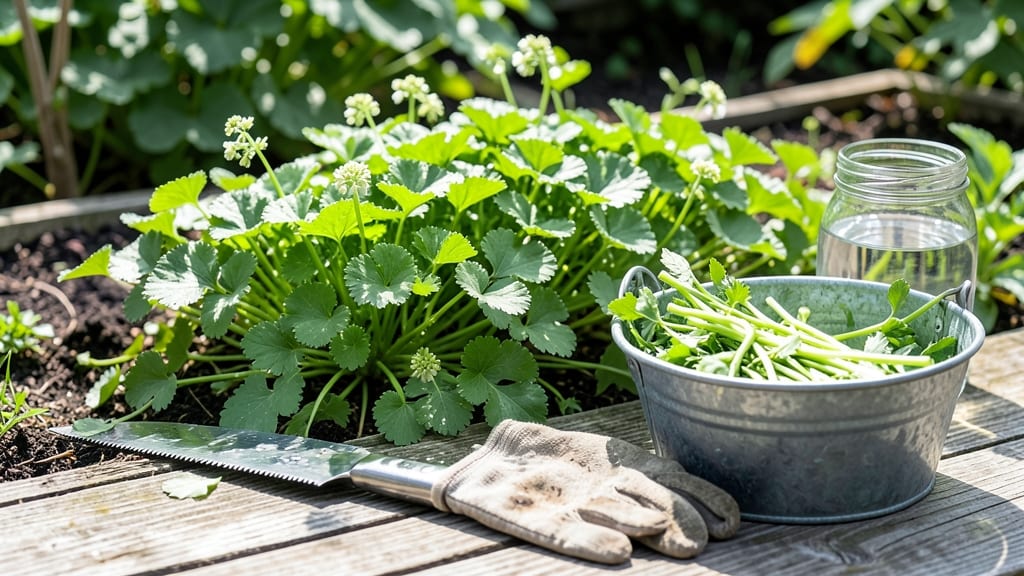
To harvest watercress at its peak flavor and encourage more growth, focus on young leaves and stems before they get woody or flower 🌿 — a sharp pair of scissors or clean hands are all you need.
Picture this: you’ve got a thriving patch of watercress, but you’re not sure when to snip or how much to take. Get it wrong, and you’ll either end up with bitter leaves or a plant that struggles to bounce back.
The right timing and method make all the difference between a few handfuls and a continuous harvest all season.
Watercress loves being harvested young, so aim for leaves that are 2-4 inches long and bright green. Avoid cutting more than one-third of the plant at once, or you’ll stunt its regrowth.
Whether you’re harvesting from a pond, stream, or container, the key is to work gently and leave enough foliage behind.
In this guide, I’ll walk you through the best times to pick your watercress, the tools that make the job easier, and how to keep your plants happy and productive for months of fresh harvests.


Best time of year and day to harvest watercress for peak flavor
Timing is everything when harvesting watercress—this aquatic herb delivers its brightest flavor and tenderest texture when picked at the right moment. Unlike many greens, watercress thrives in cool conditions, so understanding its seasonal rhythm and daily growth patterns will transform your harvest from mediocre to mouthwatering.
I’ve learned the hard way that harvesting too late or at the wrong time turns those peppery leaves into bitter, tough stalks!
For the best results, focus on two critical windows: seasonal timing (when the plant is actively growing) and daily timing (when the plant is at its peak). Watercress grows fastest in spring and fall, with May through October being the prime harvest months in most climates.
But even within these windows, there are sweet spots that make all the difference. Let’s break down how to align your harvest with nature’s calendar for maximum yield and flavor.
| Harvest Factor | Ideal Conditions | Notes |
|---|---|---|
| Season | Spring (March-May) & Fall (Sept-Oct) | Avoid summer heat; flavor peaks in cool weather. |
| Day of Week | Early morning (6-9 AM) | Leaves are crispest after nighttime hydration. |
| Water Temp | 50-65°F (10-18°C) | Cooler water preserves tenderness and flavor. |
| Leaf Stage | Young (2-4" leaves) | Mature leaves become bitter; harvest outer leaves first. |
| Sunlight | Partial shade (4-6 hours sun) | Direct sun can cause bolting; filter light is ideal. |
Spring is your golden window for watercress harvesting because the plant grows aggressively after winter dormancy. In my Zone 6a garden, I start seeing harvest-ready leaves by late March if I planted in early spring.
The key is to harvest young leaves (2-4 inches long) before they develop tough stems. These baby leaves pack the most peppery punch and delicate texture.
I’ve found that harvesting in early spring gives me the most consistent flavor, while late spring harvests can sometimes taste slightly milder as the plant matures.
Fall harvesting offers a second chance for flavor, especially in regions with mild winters. As temperatures drop toward 50-65°F (10-18°C), watercress actually rejuvenates its growth, producing tender new shoots. I’ve noticed that fall-harvested watercress often has a deeper peppery note than its spring counterpart.
The trick is to keep harvesting until the first hard frost—around October 30th in my area—because frost will turn those tender leaves into mushy, unusable messes.
Summer harvesting is possible, but it requires extra care. In June and July, watercress can bolt (send up flower stalks) if stressed by heat or drought. To prevent this, I increase shade with floating row covers and keep water levels consistent.
When harvesting in summer, focus on morning harvests (6-9 AM) when leaves are fully hydrated and crisp. Avoid harvesting after 10 AM—the sun’s intensity can make leaves wilt quickly and lose their snap.
The time of day you harvest watercress dramatically affects its quality. I’ve perfected my morning routine: harvesting between 6 and 9 AM ensures the leaves are crisp and hydrated from overnight moisture.
This is when watercress has absorbed the most water through its roots, making the stems tender and flavorful. If you harvest in the afternoon, the leaves can become limp and bitter as they lose moisture to the heat.
Pro tip: Rinse your freshly harvested watercress in cool water immediately after picking to revive any wilted leaves.
Water temperature plays a surprising role in watercress flavor. This plant thrives in cool, moving water, and the ideal temperature range for harvesting is 50-65°F (10-18°C).
If your water source gets warmer than this—common in summer ponds or slow-moving streams—the leaves can develop a milder, almost bland taste. In my aquatic garden, I use a small water pump to circulate cooler water during hot months, which keeps the flavor sharp.
For gardeners growing watercress in moist soil rather than water, maintain consistent moisture by watering deeply in the morning to mimic these cool conditions.
One common mistake I see is harvesting mature watercress with woody stems. These older leaves are perfect for stock or compost, but they lack the peppery crunch gardeners love. To maximize flavor, always harvest the outer leaves first, leaving the inner growth to continue producing tender shoots.
I use a pair of sharp scissors to snip leaves just above a leaf node, which encourages bushier regrowth. This method has kept my watercress patch producing continuously for three years without needing to replant!
For continuous harvests, I’ve developed a seasonal schedule that prevents overharvesting. In spring, I harvest every 7-10 days as new growth appears, while in fall, I stretch this
Step-by-Step hands-on techniques to harvest without damaging plants
Harvesting watercress correctly is about precision and patience. Unlike many herbs, watercress thrives on frequent, light harvesting—so long as you leave enough foliage to keep it growing. The key is to focus on the youngest leaves first, as these are the most tender and flavorful.
If you cut too much at once, your plant may struggle to recover, especially in cooler months when growth slows.
Before you start, gather your tools: a pair of sharp pruning shears or clean scissors for cutting, and a clean basket or container to hold your harvest. Avoid using dull tools, as they can crush stems and invite disease.
For submerged growth, you’ll need gloves to protect your hands from sharp rocks or debris in the water.
How to Harvest Watercress Step-by-Step
- 🌱 Step 1: Identify Ready Leaves
Look for bright green leaves that are 2-4 inches long. Avoid harvesting leaves that are yellowing or woody, as these indicate maturity or stress. - 💧 Step 2: Choose Your Method
For emergent growth (above water), use scissors to snip just above a leaf node. For submerged plants, grasp the stem firmly and pull gently to detach. - ✂️ Step 3: Cut or Pick Gently
Cut no more than 1/3 of the plant at once. For hand-picking, use your fingers to pluck individual leaves, leaving the stem intact to encourage regrowth. - 🌿 Step 4: Handle Submerged Growth
If harvesting from water, wear gloves and work quickly to avoid disturbing the roots. Rinse leaves gently in cool water to remove debris, but avoid soaking. - 📏 Step 5: Check for Over-Harvesting
Signs of over-harvesting include bare stems, yellowing leaves, or stunted growth. If you see these, scale back and let the plant recover for 2-3 weeks.
Watercress grows in two main forms: emergent (above water) and submerged (underwater). Emergent growth is easier to harvest—simply snip the outer leaves with scissors, leaving the inner rosette intact.
Submerged plants require a gentler touch; use your hands to grasp the stems and pull upward, ensuring you don’t uproot the entire plant.
One common mistake is harvesting flowering stems, which signals the end of the plant’s productive cycle. If you notice buds forming, remove them immediately to redirect the plant’s energy back into leaf growth. Always harvest in the morning when leaves are crisp and hydrated, not wilted from afternoon heat.
After harvesting, rinse your watercress thoroughly under cool water to remove any dirt or algae. Pat dry gently with a clean towel or paper towel, then store in a perforated plastic bag in the fridge for up to 5 days.
For long-term storage, blanch and freeze the leaves to preserve their vibrant flavor.
Remember, the goal is sustainability. By harvesting thoughtfully and leaving enough foliage, you’ll enjoy a continuous supply of fresh watercress all season long—without sacrificing your plant’s health 🌱.