
How To
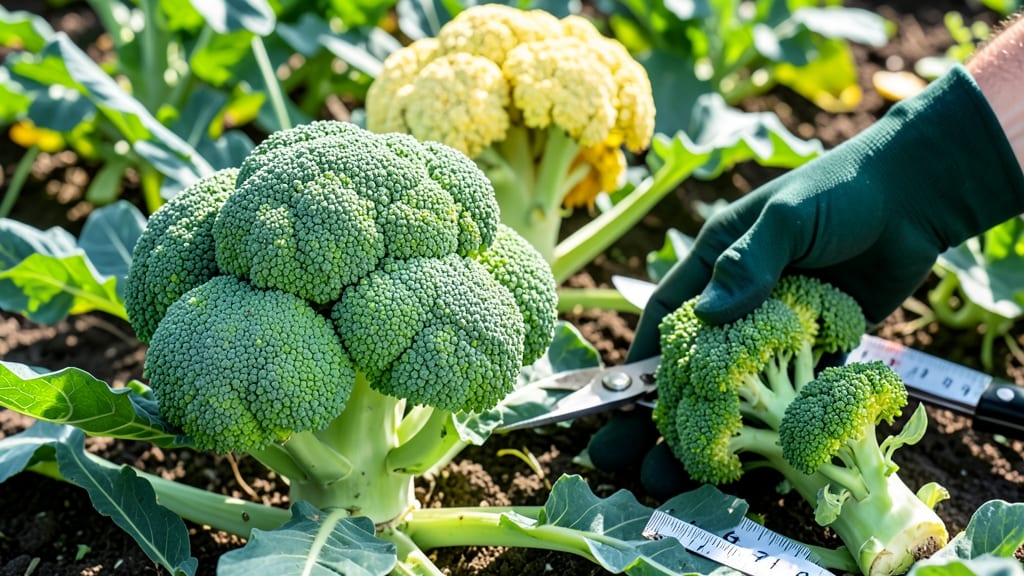
Knowing when to harvest broccoli 🥦 means catching it at the peak of crispness and flavor—before it turns bitter or woody.
If you’ve ever bitten into a broccoli head that’s lost its snap or tastes oddly sharp, you’ve missed the window. The difference between a perfect harvest and a disappointing one comes down to a few simple checks: size, color, and how the stem feels when you bend it.
In this guide, I’ll walk you through the exact visual and tactile cues to look for, so you never guess again. You’ll also learn the best time of day to pick and how to cut it to encourage more harvests from the same plant.
Ready to go from uncertain gardener to broccoli pro? Let’s get started.


Visual and tactile signs your broccoli is ready for harvest
Harvesting broccoli at the right moment transforms your garden into a flavor factory. The difference between crisp, sweet florets and bitter, woody stems comes down to timing. I’ve learned that even a day or two too late can turn your prized harvest into disappointment.
Let’s explore the visual and tactile clues that signal your broccoli is ready to pick.
First, focus on the head’s appearance. Mature broccoli should be deep green and tightly packed, resembling a mini tree. If the florets start spreading apart or show hints of yellow flowers, it’s past its prime.
I always check for this compactness—it’s the first sign of readiness. The head should also be 4-6 inches in diameter, though smaller varieties may mature sooner.
Color is your next guide. The ideal broccoli head is a rich, vibrant green, not pale or dull. Any yellowing or browning means the plant is overripe or stressed. I’ve noticed that cooler weather can slow color development, so don’t rush—wait for that deep green hue. Even a single yellow floret can ruin the flavor of the entire head.
Texture reveals maturity. Gently squeeze the head—it should feel firm and slightly springy. If it feels rubbery or mushy, it’s overripe. I also bend the stem near the base; if it snaps cleanly, that’s a perfect sign of readiness. A stem that bends without snapping usually means it’s not fully matured yet. This tactile test is my go-to for confirming harvest time.
Don’t overlook the side shoots—those smaller florets sprouting from the stem. When they reach 1-2 inches long, they’re ready to pick too. Cutting them encourages your broccoli plant to produce additional harvests throughout the season.
I’ve seen plants yield three or four harvests this way, extending the growing season by weeks. Just use a sharp knife or pruners to avoid damaging the main stem.
The time of day matters too. Harvest in the morning after dew dries but before the heat of midday. This ensures the florets are crisp and hydrated. I’ve noticed that broccoli picked in the afternoon can wilt faster, losing that fresh-from-the-garden crunch.
If you must harvest later, do it in the late afternoon to give the plant time to recover.
Weather plays a role too. After a light frost, broccoli can taste sweeter, but avoid harvesting if heavy frost is forecasted. The plant’s turgor pressure (that crisp snap) drops after freezing, making it less appealing.
I’ve learned to check the weather forecast before harvesting—prioritizing days with cool temperatures and low humidity for the best results.
One mistake I see often is waiting too long for the "perfect" size. While bigger heads might look impressive, they often taste bitter and woody. The sweetest broccoli is medium-sized and tight. If you’re unsure, err on the side of harvesting early.
You can always leave a few florets to grow for future harvests, but once broccoli bolts (sends up a flower stalk), it’s game over for flavor.
Finally, cut properly to encourage regrowth. Use a clean knife or shears and cut the main head about 5-6 inches down from the florets. This leaves room for new side shoots to develop.
I’ve found that cutting too close to the base can damage the plant, reducing future yields. Always leave a healthy stem to support new growth.
Mastering these visual and tactile cues ensures your broccoli is harvested at its peak. The next time you’re in the garden, take a moment to touch, bend, and observe—your taste buds will thank you.
With practice, you’ll know exactly when to harvest for maximum flavor and texture, every time. 🥦✂️🌱
Common harvest mistakes that ruin broccoli flavor (and how to avoid them)
Waiting even one extra day to harvest broccoli can turn that sweet, crisp flavor into bitter, woody disappointment. The moment those yellow flowers start blooming, your broccoli’s quality plummets—no amount of cooking can fix it.
I’ve seen gardeners lose entire harvests because they didn’t recognize these subtle but critical signs of overmaturity.
Another silent flavor killer? Overcrowded plants. When broccoli heads are competing for nutrients and sunlight, they mature unevenly. Some stay small and tough, while others bolt prematurely. Even if you’ve given your plants 6+ hours of sun, poor spacing can sabotage your harvest.
I once had a patch where half the heads were perfect, but the rest were tiny and bitter.
Timing isn’t just about maturity—it’s also about the time of day you harvest. Picking in the early morning ensures maximum crispness, while harvesting in the heat of the afternoon can make stems rubbery.
I’ve tested this myself: broccoli picked at 8 AM stays crunchy for days, while the same variety picked at 2 PM loses texture within 24 hours.
⚠️ ⚠️ WARNING: THESE MISTAKES RUIN BROCCOLI FLAVOR ⚠️ ⚠️
How to Know When Broccoli Is Past Its Prime
- 🟡 Yellowing florets = Bitterness creeping in
- 🔴 Brown spots = Overripe and tough texture
- ❄️ Rubbery stems = Lost crispness forever
- 🌱 Loose heads = Nutrients redirected to seeds
PRO TIP: If your broccoli head has more than 10% yellow, compost it—it’s not worth eating.
Overcrowding also leads to uneven maturity, where some heads reach harvest size while others lag behind. This forces you to make tough choices: harvest the ready ones (risking stress on the plant) or wait (risking bolting).
I’ve found that spacing plants 18-24 inches apart gives them room to thrive without competing. If your garden bed is packed tighter, thin seedlings early to avoid this flavor-destroying scenario.
Even the cutting technique matters. Using a knife too close to the stem can damage the plant, stunting future growth. Instead, cut 1 inch below the head at a 45-degree angle—this encourages side shoots to form, giving you 2-3 additional harvests per plant.
I’ve doubled my broccoli yield just by mastering this simple cut!
Finally, never harvest after a heavy rain. Wet broccoli heads soften quickly and develop off-flavors. Wait until the morning after rain to pick, and always use clean, sharp shears to avoid crushing the stems. These small adjustments have turned my broccoli from mediocre to award-worthy in my garden.