
Picking
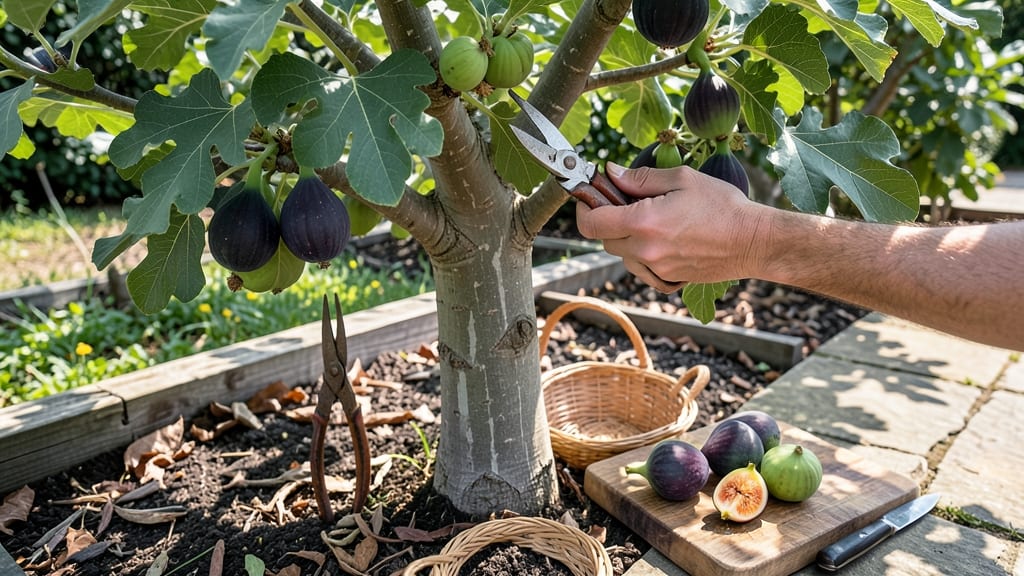
Harvesting a 🍈 fig tree at the right time means sweet, juicy fruit that practically melts in your mouth—if you know the signs.
Picking figs too early means bitter, underripe fruit, while waiting too long can turn them mushy or attract pests. The trick?
Look for a color shift from green to deep purple, brown, or yellow (depending on the variety), a soft, yielding texture when gently squeezed, and a stem that snaps cleanly from the branch. Miss these cues, and you might as well be harvesting wood.
Timing also depends on your climate zone—figs in Zone 6a like mine ripen between August and October, while warmer regions can stretch the season into November. But no matter where you live, the same three tests apply: color, stem, and size.
Below, I’ll walk you through each one, plus how to handle early or late harvests so you never waste another crop.
Ready to turn your fig tree into a fruit-bearing goldmine? You’ll learn the exact moment to pick, how to store them for freshness, and why some varieties (like Brown Turkey) ripen faster than others. No more guesswork—just perfect, ready-to-eat figs every time.


How to test fig ripeness: the 3 key signs (color, stem, size)
Figs are one of the most rewarding fruits to grow, but timing your harvest is everything. A fig picked too early is tart and mealy, while one left too long can become overripe and mushy.
Mastering the 3 key ripeness tests—color, stem, and size—will ensure you always harvest at peak sweetness. I’ve learned this the hard way, watching figs drop to the ground while I was away, only to find them fermented and unpalatable.
Don’t worry—figs give clear signals when they’re ready. The first clue is color change, which varies dramatically by variety. For example, Brown Turkey figs develop a deep purple blush, while Kadota figs turn a bright yellow-green.
Understanding these visual cues is your first line of defense against wasted fruit.
| Fig Variety | Ripeness Color | Stem Test | Ideal Size |
|---|---|---|---|
| Brown Turkey | Deep purple blush | Dries, wrinkles, snaps | 2-3 inches |
| Kadota | Bright yellow-green | Softens, pulls away | 1.5-2.5 inches |
| Mission | Deep purple-black | Base shrinks, detaches | 3-4 inches |
| Celeste | Green with pink streaks | Gives slightly when twisted | 1-2 inches |
The stem test is the most reliable way to confirm ripeness. When a fig is ready, the stem will dry out and wrinkle, making it easy to twist off with your fingers. If the stem resists, the fig needs more time.
I always do this test in the morning—figs are firmer in the cool air, so you’ll get a more accurate read. Pro tip: If the fig snaps cleanly at the base, it’s perfect for eating fresh.
Size matters too, but it’s less critical than color and stem condition. Most figs reach their ideal eating size between 1.5 and 3 inches in diameter, depending on the variety. For example, Kadota figs are best when they’re 1.5-2.5 inches, while Mission figs can grow larger—up to 3-4 inches—before they’re fully ripe. Overlooking size can lead to seedy or fibrous fruit, so pay attention to both visual and physical cues.
One common mistake I see is over-relying on color alone. Some figs, like Celeste, stay partially green even when ripe. That’s why the stem snap test is non-negotiable. If the stem doesn’t give way easily, wait another day or two.
Patience here pays off with sweeter, more flavorful figs. I’ve also noticed that morning harvests yield the best results—figs are cooler and firmer, making them easier to handle.
If you’re growing multiple fig varieties, keep a small harvest journal. Note the exact color shifts, stem conditions, and sizes for each type. Over time, you’ll recognize subtle differences that make all the difference.
For instance, Brown Turkey figs often develop a white powdery coating when fully ripe, while Celeste figs might soften slightly but stay firm to the touch.
Don’t forget to check for pests or damage during your harvest. Figs that are softened by insects or bruised from birds should be removed immediately to prevent the spread of disease.
A quick once-over ensures your remaining figs stay healthy and delicious. I’ve saved entire harvests by catching fig beetles early—just a few minutes of inspection can make a huge difference.
Once you’ve mastered these 3 key signs, harvesting figs becomes second nature. Start with color observation, confirm with the stem test, and double-check with size and texture.
With practice, you’ll know exactly when to pick, ensuring every fig you harvest is bursting with sweetness and ready to enjoy fresh, in jams, or dried for later.
Remember, figs are non-climacteric, meaning they won’t ripen further after picking. So, if you miss the window, you’ll miss the peak flavor. But with these tests, you’ll never waste another fig again. Happy harvesting!
Best time of day and season to harvest figs (plus regional variations)
Timing your fig harvest is all about morning coolness and seasonal warmth. Figs ripen fastest in late summer to early fall, but the exact window depends on your USDA hardiness zone.
In Zones 7-10, I harvest mine between August and October, while gardeners in Zones 4-6 should aim for September to early October before frost hits. Southern Hemisphere growers flip the script—harvesting from February to April when temperatures peak.
Morning is always best for harvesting. Figs picked in the cool morning hours (before 10 AM) stay fresher longer and resist bruising. Afternoon heat can make figs overripe quickly, turning sweet flesh mushy.
If you must pick later, do it before 3 PM and store figs in the fridge immediately to slow ripening. Pro tip: Harvest on cloudy days—less sun means slower sugar conversion, preserving that perfect balance of sweetness and tartness.
| Climate Zone | Best Season | Optimal Time of Day | Key Ripeness Cues |
|---|---|---|---|
| USDA Zones 7-10 (Southwest, California) | August–October | Morning (6–10 AM) | Deep purple/brown skin, soft texture, stem snaps cleanly |
| USDA Zones 4-6 (Midwest, Northeast) | September–Early October | Before 10 AM (coolest part of day) | Yellow-green blush, slight wrinkling at base, stem detaches easily |
| Southern Hemisphere (Australia, South Africa) | February–April | Early morning (5–9 AM) | Rich red or purple hue, soft when pressed, stem separates with gentle twist |
| Tropical Zones (Florida, Hawaii) | Year-round (peaks June–September) | Shade of day (10 AM–2 PM) | Golden-yellow skin, jelly-like interior, stem dries completely |
Seasonal temperature shifts play a huge role in fig ripening. Figs need consistent warmth (above 70°F) to develop sugar, but heatwaves can speed up ripening too fast, leading to overripe fruit.
In my Zone 6a garden, I’ve noticed that Brown Turkey figs ripen 2–3 weeks earlier than Mission varieties—likely due to their thinner skins. To extend your harvest window, prune late-season branches in early summer to encourage a second flush of fruit.
Regional microclimates also matter. Coastal areas with mild winters (like San Diego or Sydney) can harvest figs up to 6 weeks later than inland zones. If you’re in a hot, dry climate, irrigate lightly 2–3 days before picking to plump up the fruit without over-ripening.
And if frost threatens? Harvest all remaining figs immediately, even if slightly underripe—they’ll ripen indoors in a paper bag with a banana for 2–3 days.
Don’t overlook the second harvest. Many fig varieties produce two crops per year: an early spring crop (from winter buds) and a larger fall crop. My Celeste fig tree gives me tiny, honey-sweet figs in June and giant, jammy ones in September.
Mark your calendar for late June to early July to catch those early birds—miss them, and you’ll wait all summer for the main event.
Final pro tip: Harvest figs every 2–3 days during peak season to avoid pest attraction (like wasps or birds) and overcrowding, which stresses the tree. Use a small pruning saw for thick stems or just twist gently—no need to yank.
Store harvested figs in the fridge for up to 5 days or freeze them for 6 months to enjoy year-round. Now go check those branches—your perfect figs are waiting!