
How To
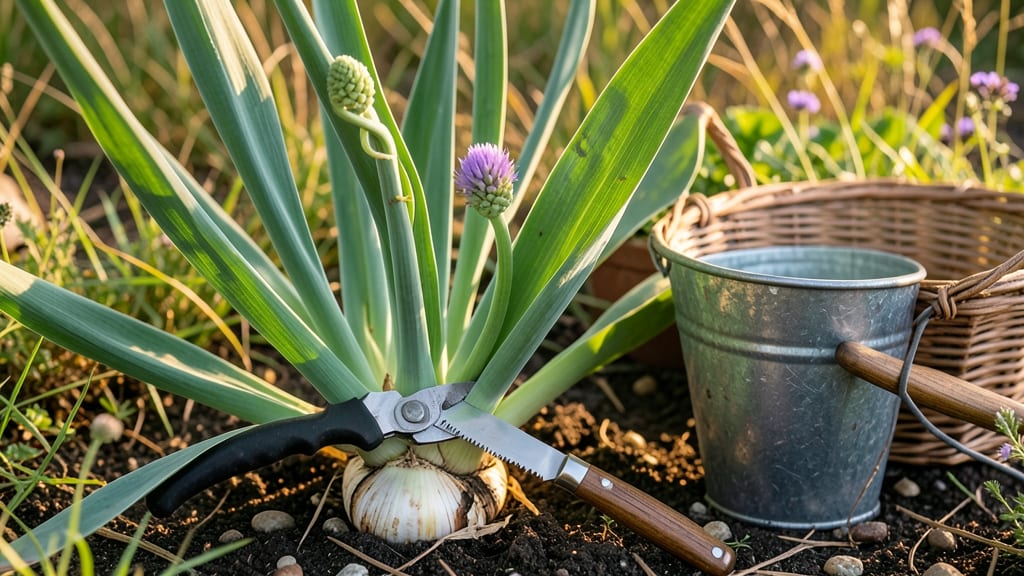
Harvesting garlic scapes when they form a tight loop—around late May to early July—is the secret to tender, flavorful greens and bigger bulbs 🧄.
If you’ve ever wondered whether to snip those curly garlic scapes or wait a little longer, timing makes all the difference—between mild, tender greens and bitter, overgrown stalks.
Most gardeners miss the window because they focus on size alone, but the real test is the 30-second twist: a ready scape snaps cleanly at the base when bent. Too early, and you stunt your bulbs; too late, and the flavor turns harsh.
Below, I’ll walk you through the exact visual cues—from loop shape to stem thickness—and how to harvest without sacrificing next year’s crop. Trust me, your garlic will thank you.
The 30-Second twist test: how to tell when garlic scapes are ready
Harvesting garlic scapes at the right time is like catching a wave—too early, and you miss the best flavor; too late, and you risk bitter greens or smaller bulbs. The 30-second twist test is my foolproof method to nail the perfect moment, usually 6-8 weeks after sprouting.
This simple trick saves you from guessing and ensures your garlic bulbs grow larger while you enjoy fresh, tender scapes.
Scapes are those curly, green stalks that shoot up from your garlic plants in late spring. They’re not just edible—they’re a signal that your garlic is thriving. But timing is everything. If you harvest too soon, your bulbs won’t develop fully.
If you wait too long, the scapes become tough and bitter, and the bulbs may split or stay small. The twist test cuts through the confusion with just a few seconds of observation.
Here’s how it works: grasp the scape about 6 inches from the base and gently twist it between your fingers. If it snaps cleanly with a slight resistance—like a fresh asparagus spear—it’s ready.
If it bends without breaking or feels too flimsy, it’s not quite there yet. This test tells you whether the scape has reached its ideal maturity for harvesting.
Step-by-Step Twist Test for Garlic Scapes
- 🌱 Step 1: Check the Curl
Look for a tight, 12-18 inch loop. If the scape is still straight or only slightly curved, wait a few days. A perfect loop means the scape is mature but not overgrown. - 📏 Step 2: Measure Thickness
The stem should be about 1/4-inch thick at the base. If it’s thinner, it’s not ready; if it’s thicker or woody, you’ve missed the window. - ✂️ Step 3: Perform the Twist Test
Grip the scape 6 inches from the base and twist gently. It should snap cleanly—no bending or tearing. This indicates the scape’s cell structure is at peak tenderness. - 🌀 Step 4: Inspect the Loop
At the curl, you’ll see tiny bulbils (small bulb-like structures). These confirm the scape is ready. If they’re missing, wait another week. - 🌿 Step 5: Harvest Immediately
Use clean, sharp scissors or pruners to cut the scape just above the 4th leaf down. This redirects energy back to the bulb, encouraging larger growth.
Why does this matter for your garlic bulbs? When you harvest scapes at the right time, the plant redirects its energy toward bulb development, often resulting in 20-30% larger cloves. Skipping this step or harvesting too late can stunt bulb growth, leaving you with smaller yields.
Think of it like giving your garlic a little nudge to focus on what really matters—those plump, flavorful cloves you’ll store for winter.
The twist test also aligns with the seasonal timeline for garlic. In most USDA Zones 5-8, scapes appear in late May to early June, with the twist test window opening around mid-June.
If you’re in a warmer zone, like Zone 9 or 10, your scapes may mature a few weeks earlier. Always adjust for your local climate, but the twist test remains your best guide.
One common mistake is waiting until the scapes turn brown or start to dry out. By then, they’re past their prime—bitter, tough, and less flavorful. The twist test helps you avoid this pitfall by focusing on the scape’s physical maturity rather than its color.
Pro tip: Harvest on a dry, sunny morning when scapes are at their crispest.
If you’re growing garlic in containers or raised beds, the twist test still applies, but monitor your plants more closely. Container-grown garlic often matures slightly faster due to warmer soil temperatures.
Keep an eye on the scapes and use the twist test to confirm readiness. The same rules apply—curl, thickness, and snap are your cues.
Once you’ve mastered the twist test, you’ll never second-guess when to harvest garlic scapes again. It’s a game-changer for both flavor and yield, ensuring you get the best of both worlds: delicious greens and bumper crops of garlic.
And the best part? This method takes less than a minute—no guesswork, no stress, just perfect timing every time.
Now that you know when to harvest, stay tuned for the next section: what happens if you harvest too early or too late, and how to use those scapes without wasting a single bite. Happy gardening!
What happens if you harvest garlic scapes too early or late?
Harvesting your garlic scapes at the wrong time can turn a simple garden task into a flavorful or disappointing experience. If you snip them too early, you’ll miss out on the best scape flavor and may stunt the growth of your garlic bulbs.
On the other hand, waiting too late can leave you with bitter, woody scapes and smaller bulbs. Understanding the timing consequences ensures you get the most from your garlic harvest.
The ideal time to harvest scapes is when they form a tight loop—usually 6-8 weeks after sprouting. At this stage, the scapes are tender, flavorful, and about 12-18 inches long. Harvesting outside this window directly impacts both the scapes and the bulbs below ground.
| Harvest Timing | Scape Flavor | Bulb Size | Plant Health |
|---|---|---|---|
| Too Early | Mild, but less flavorful; may taste grassy | Smaller bulbs (1-2 cloves max) | Stunted growth; plant may re-send scapes |
| Ideal Time | Bold, oniony flavor (best for cooking) | Larger bulbs (4-10 cloves) | Healthy; encourages bulb development |
| Too Late | Bitter, woody texture; loses sweetness | Reduced bulb size (fewer, smaller cloves) | Stressed plant; may wilt prematurely |
When you harvest scapes too early, the plant hasn’t yet redirected its energy to bulb development. This means your garlic bulbs will stay small, often producing only 1-2 cloves instead of the 4-10 cloves you’d get from a properly timed harvest.
Additionally, the scapes themselves may lack the rich, oniony flavor you crave in dishes like pesto or stir-fries.
On the flip side, harvesting too late turns your scapes into tough, bitter stalks that are nearly unusable. The plant’s energy is already shifting toward bulb production, leaving the scapes overmature and woody. This also stresses the plant, which can lead to smaller, lower-quality bulbs later in the season.
The key is to act when the scape forms a tight loop—this is your 30-second window to snip before the flavor and bulb quality decline.
If you’re unsure whether your scapes are ready, perform the twist test: Gently twist the scape near the base. If it snaps cleanly with a slight resistance, it’s ready. If it bends without breaking, wait a few more days.
This simple test helps you avoid the pitfalls of early or late harvesting and ensures you get the best of both worlds—flavorful scapes and large bulbs.
Remember, harvesting scapes encourages bulb growth by redirecting the plant’s energy downward. By timing it just right, you’ll end up with both delicious greens and plump garlic bulbs ready for your kitchen. Don’t miss out on this two-for-one harvest!