
How To
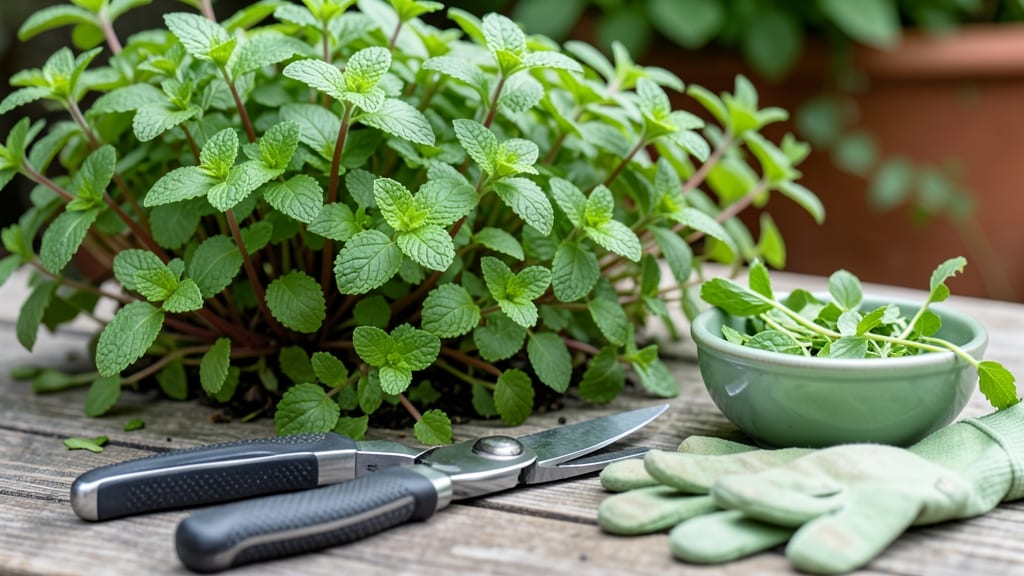
To harvest mint so it keeps growing, focus on cutting just above the flower stems or leaf nodes — this triggers bushier regrowth and prevents leggy plants.
Struggling to keep your mint thriving after harvest? Many gardeners accidentally stunt growth by cutting too late or too aggressively, leaving you with sparse regrowth and weak stems.
The secret lies in timing and technique: prune at the right spots, and your mint will reward you with nonstop growth all season.
Mint is one of those herbs that grows back faster when you harvest it correctly. By snipping stems above the leaf nodes (where new growth emerges), you encourage the plant to branch out instead of stretching tall.
This simple trick keeps your mint lush and productive, whether you're growing it in pots or the garden.
Below, I’ll walk you through the exact steps to prune mint for maximum regrowth, common mistakes to avoid, and how to turn harvesting into a year-round process. Ready to transform your mint from a struggling plant to a high-yielding powerhouse?


When and how to prune mint for maximum regrowth
Mint thrives when you prune it correctly, but most gardeners make one critical mistake: cutting too late in the growth cycle. The key to nonstop regrowth is understanding mint’s growth triggers.
When you prune at the right flower stems, you signal the plant to produce bushier side shoots instead of letting it focus energy on flowering. This simple technique can triple your harvest yield over time.
Timing matters most—prune in early spring or late summer for optimal results. Avoid cutting back in fall or winter when the plant is already slowing down. The best time to harvest is when stems reach 4-6 inches tall and have 8-10 mature leaves.
This ensures you’re not stripping the plant bare while still encouraging new growth.
Here’s the science: Mint plants produce hormones at their flowering nodes that inhibit side shoot growth. By cutting just above these nodes, you remove the hormone block and stimulate lateral branching. This is why your mint will grow fuller and denser after proper pruning.
How to Harvest Mint So It Keeps Growing
-
Step 1: Identify the Flower Stems
Look for small buds forming at the top of stems—these are your pruning targets. Use your fingers to gently feel for woody nodes where leaves meet stems. -
Step 2: Use Clean, Sharp Pruners
Sterilize your scissors or pruners with rubbing alcohol to prevent disease spread. Never use dull tools—they crush stems and invite rot. -
Step 3: Cut at a 45° Angle
Make your cut ½ inch above the flower bud or leaf node. This angle helps water run off and reduces rot risk. -
Step 4: Remove Only ⅓ of the Plant
Never take more than one-third of the plant at once. This prevents growth shock and ensures the root system stays strong. -
Step 5: Fertilize After Pruning
Apply a balanced 5-10-10 fertilizer 24 hours post-prune to replenish nutrients. Use ½ tsp per plant to avoid burning new growth. -
Step 6: Water Deeply
Soak the soil until water drains from the bottom. This helps the plant recover faster and prevents wilting during regrowth.
✂️ Pro Tip: Prune on a cloudy morning to reduce stress on the plant.
Spring is the ideal season for aggressive pruning because mint enters its fastest growth phase. In summer heat, prune only in early morning to prevent sunburn on fresh cuts.
Avoid pruning when your mint is bolting (sending up tall flower stalks)—this is a sign it’s stressed and won’t regrow well.
One of the biggest myths about mint is that you should never prune it. In reality, regular pruning keeps mint from becoming woody or leggy. I prune my mint every 4-6 weeks during its active growing season, and my plants stay compact and productive year after year.
The key is consistency—don’t wait until the plant looks ragged.
If your mint starts looking sparse or leggy, it’s already too late for heavy pruning. Instead, focus on propagating cuttings from healthy stems. Place them in water or moist soil to root, and you’ll have fresh plants ready for transplanting.
This is a great way to revive old mint plants without overstressing them.
For container-grown mint, pruning is even more critical because root-bound plants grow slower. Always prune just above a leaf node to encourage new shoot growth from below. In pots, I also rotate the container weekly to ensure even light exposure, which prevents lopsided growth.
Remember: The goal isn’t just to harvest mint—it’s to encourage regrowth. By following these steps, your mint will stay lush, bushy, and productive for seasons to come. The more you prune correctly, the more your plant will reward you with abundant fresh leaves.
🌿
5 Common mistakes that kill mint regrowth (and how to fix them)
Your mint plant might be struggling to bounce back after harvest because of subtle mistakes most gardeners make. Over-pruning is the top culprit—cutting too much at once leaves the plant stressed and slows regrowth.
Even harvesting late in the season can stunt new shoots before winter dormancy. Let’s fix these issues before your mint turns into a sad, leggy shadow of its former self.
Another silent killer is neglecting soil health. Mint thrives in rich, moist-but-well-draining soil, but compacted or nutrient-poor soil will leave your plant weak. Even pests like spider mites or fungal diseases can sneak in unnoticed, draining energy from regrowth.
The good news? All these problems have simple fixes—let’s tackle them one by one.
Never cut mint after flowering buds appear—this signals the plant to focus on seed production, not leaf regrowth. Instead, prune just above a set of leaves (never bare stems) when stems reach 4-6 inches tall.
For best results, harvest every 4-6 weeks during peak growing months (spring to early fall).
Mistake #1: Cutting too much at once. Mint regrows best when you leave at least half the foliage intact. If you shear off 70%+ of the plant, it’ll take months to recover.
Try the "thirds rule": remove only one-third of the plant per harvest. This keeps the root system strong while encouraging bushier growth.
Mistake #2: Harvesting too late in the season. Mint grows slowly in fall and winter, so cutting back after September gives it no time to recover before dormancy.
Save heavy pruning for spring and early summer when growth is vigorous. In mild climates, you can harvest lightly into October, but stop by November.
Mistake #3: Ignoring soil health. Mint loves fertile, slightly acidic soil (pH 6.0-7.0). If your soil is compacted or lacks organic matter, roots can’t absorb nutrients efficiently.
Fix this by mixing in 2 inches of compost annually and mulching with straw to retain moisture. A balanced 5-10-10 fertilizer in spring boosts regrowth too.
Mistake #4: Letting pests take over. Spider mites and aphids love mint’s tender leaves. Check the undersides of leaves weekly for tiny webs or sticky residue (aphid honeydew). Spray with neem oil or a soapy water solution (1 tsp mild soap per quart of water) to deter them.
For fungal issues like powdery mildew, improve airflow by spacing plants 12 inches apart.
Mistake #5: Skipping propagation. If your mint plant looks tired, don’t toss it! Take 4-inch stem cuttings with leaves, root them in water, and replant. This gives you fresh growth while your original plant rests. Just avoid propagating from flowering stems—they won’t root as easily.