
How To
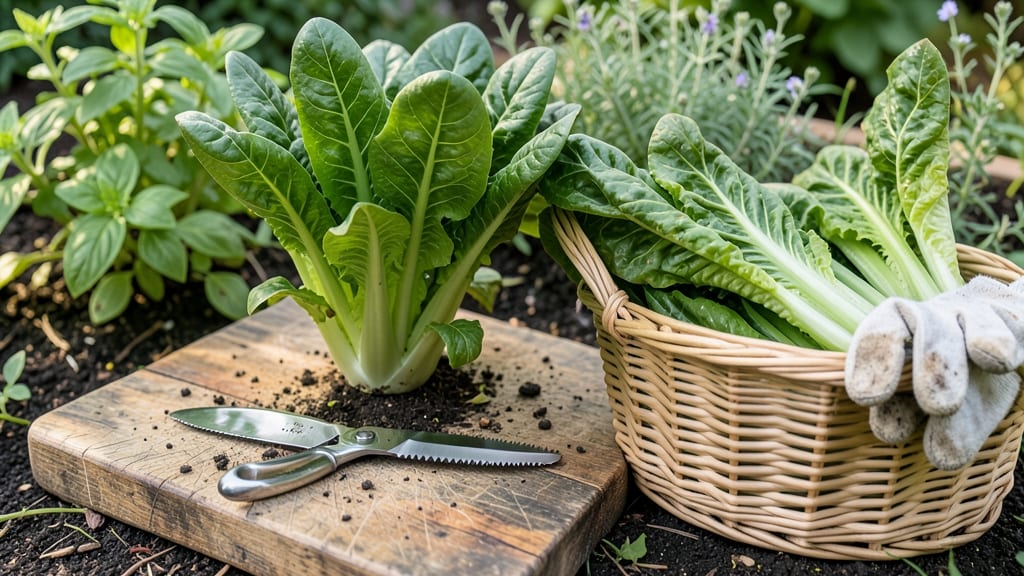
Harvesting romaine 🥬 the right way means crisp, flavorful leaves every time—no bitter stems or wasted effort.
Picture this: you’ve spent weeks nurturing your romaine, and now the outer leaves are 6+ inches long and firm to the touch. That’s your cue—but grab the wrong tool or pull too hard, and you’ll damage the plant for future harvests.
The secret? A gentle stem twist and a sharp knife.
Timing matters just as much as technique. Harvest in the morning when leaves are cool and hydrated, and always leave the inner leaves to keep growing. Skip this step, and you’ll end up with a sad, leggy plant that bolts faster than you can say "salad."
In this guide, I’ll walk you through the perfect way to harvest romaine—whether you’re cutting whole heads or picking leaves—plus how to store what you pick and even regrow your plant for a second crop. No more guesswork, just crisp, ready-to-eat lettuce.


When and how to harvest romaine for maximum freshness
Romaine lettuce thrives when harvested at the right moment—too early and you get tender, underdeveloped leaves, while waiting too long results in bitter, woody stems.
The key is timing: aim for 60-80 days after planting when outer leaves reach 6-8 inches long and feel crisp and firm to the touch. I always check for deep green, upright growth as my final indicator before harvesting.
Harvesting romaine correctly preserves its crisp texture and encourages regrowth for continuous yields. The stem-twist method is my go-to technique because it minimizes damage to the plant’s core.
Unlike cutting, twisting allows the stem to heal faster, giving you more harvests over the season. Plus, it’s a gentler approach that keeps your romaine looking fresh longer.
For the best flavor and texture, harvest romaine in the early morning when temperatures are cool. This is when the leaves are most hydrated and crisp.
Avoid harvesting after a heavy rain or late in the day, as excess moisture can lead to bolt risk (premature flowering) or softer leaves that wilt quickly.
How to Harvest Romaine Lettuce: The Stem-Twist Method
- 1 Choose your leaves: Decide whether to harvest the entire head or individual outer leaves. For regrowth, I always pick outer leaves first, leaving the inner core intact.
- 2 Grip the stem firmly: About 1 inch above the base, pinch the stem between your thumb and forefinger. Avoid squeezing the leaves to prevent bruising.
- 3 Twist with confidence: Rotate your grip 45 degrees and twist sharply but smoothly until the stem snaps cleanly. You’ll hear a soft crack—this means you’ve done it right!
- 4 Remove the whole head (optional): If harvesting the entire plant, twist at the base of the stem until it pulls free. Shake off excess soil and rinse gently under cool water.
- 5 Inspect and store: Trim any damaged or yellowed leaves immediately. Store in a perforated plastic bag in the fridge for up to 7 days or use within 3 days for peak freshness.
If you’re harvesting individual leaves for a cut-and-come-again approach, never take more than 1/3 of the plant at once. This ensures the remaining leaves can photosynthesize and regrow. I’ve found that romaine harvested this way can produce 3-4 harvests per season if given proper care between cuts.
For whole-head harvests, aim to pick when the plant reaches 10-12 inches tall and the leaves are tightly packed. Whole heads store better and are ideal for salads or grilling.
Always use a clean, sharp knife or shears for a precise cut if you prefer not to twist—just leave 1 inch of stem to encourage regrowth.
After harvesting, give your romaine a light fertilizer (like a 5-10-10 blend) to replenish nutrients. Water deeply at the base of the plant to encourage new growth. Within 2-3 weeks, you’ll often see fresh leaves emerging from the center, ready for another harvest!
One common mistake I see is harvesting romaine when the leaves start to yellow or bolt. This usually means the plant is stressed from heat or drought.
To prevent this, mulch around the base with straw or shredded leaves to retain moisture and keep roots cool during hot spells.
Pro tip: If your romaine bolts (sends up a flower stalk), don’t panic! The lower leaves are still edible and often taste sweeter and more intense. Simply harvest these before the stalk hardens, and enjoy them in pesto or soups where bitterness is less noticeable.
Romaine lettuce harvesting mistakes that ruin your crop
Harvesting romaine lettuce seems straightforward, but small mistakes can turn your crisp, fresh crop into bitter, wilted disappointment. Overharvesting, using the wrong tools, or picking at the wrong time are common pitfalls that shorten your plant's productive lifespan.
These errors don't just reduce your yield—they can stress your romaine so much it bolts prematurely or develops tough, unpalatable stems.
I've seen gardeners pull entire heads by the roots, thinking it's the only way, only to watch their plants rot from the base or fail to regrow. Others use dull scissors that crush leaves, turning them brown and slimy.
Even timing matters—harvesting too early means small, tender leaves, while waiting too long leads to bitter, woody stems that ruin salads. Let's fix these mistakes before they cost you your crop.
⚠️ Harvesting Mistakes That Kill Your Romaine
1. Using the wrong tools: Dull scissors or fingers tear leaves, causing brown edges and stress. Always use sharp pruning shears or a clean knife for clean cuts.
2. Harvesting too aggressively: Cutting more than 1/3 of the plant at once shocks romaine into bolting (flowering). Instead, pick outer leaves first to encourage regrowth.
3. Wrong timing: Harvesting when leaves are smaller than 6 inches or waiting until they're woody and bitter ruins flavor. Aim for crisp, deep green leaves at 60-80 days.
4. Pulling by the roots: This destroys the plant. Always twist stems gently or cut 1 inch above the base to leave the root system intact.
One of the biggest mistakes I see is harvesting in the heat of the day. Romaine lettuce wilts quickly under midday sun, so always pick in the early morning when leaves are crisp and hydrated.
If you must harvest later, store your lettuce in a cool, shaded spot with a damp towel until you can refrigerate it.
Another silent killer is overcrowding before harvest. If your romaine plants are too close, leaves grow small and weak from competing for nutrients. Thin seedlings to 12 inches apart early on to give each plant room to develop bold, crisp leaves.
I once had a batch of romaine that looked perfect until harvest—only to find the inner leaves were tiny and pale because they were starved by overcrowding.
Don't forget about post-harvest care. After harvesting, water your romaine deeply but gently to encourage new growth. Avoid heavy watering, which can loosen roots or cause rot. A light mulch around the base helps retain moisture and protects young leaves from pests and heat stress.
Finally, resist the urge to harvest all at once. Romaine is a cut-and-come-again crop—by harvesting outer leaves first, you can extend your harvest by weeks or even months.
I've had single plants produce three harvests in a season just by following this rule. The key is patience and precision—small, consistent harvests beat one big mistake.