
How To
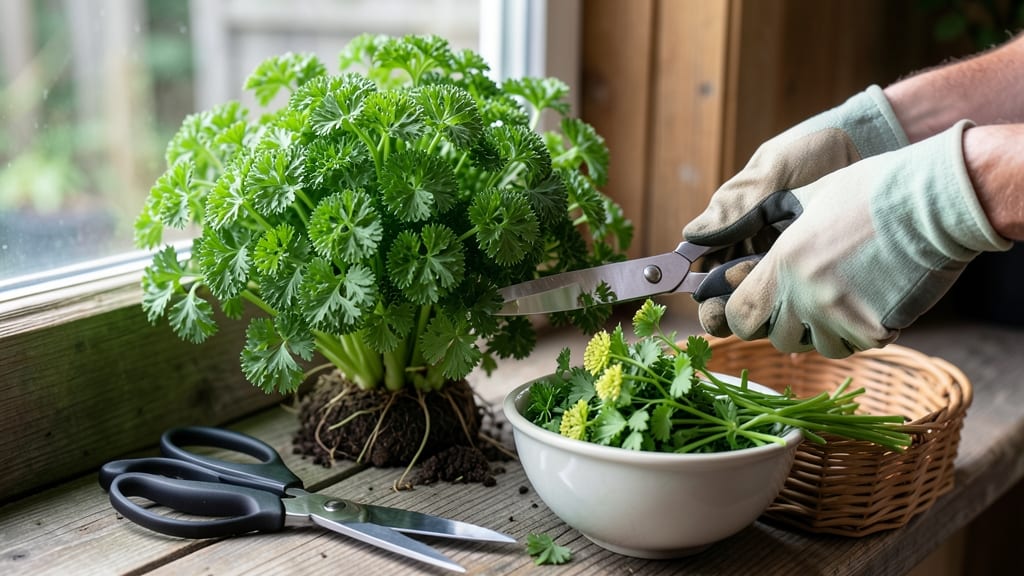
Harvesting curly parsley the right way means snipping stems at the base when they reach 4-6 inches—this keeps the plant bushy and the flavor bright 🌿.
Curly parsley isn’t just a garnish—it’s a hardy perennial that rewards careful harvesting with bold flavor and lush regrowth. But timing and technique matter: harvest too late, and you’ll sacrifice both yield and taste.
You don’t need fancy tools—clean scissors or even your fingers work, but the key is to avoid cutting into the center stem. This simple step ensures your parsley keeps producing for months, not weeks.
Below, I’ll walk you through the best times to harvest, how to store your bounty, and the one mistake that kills regrowth faster than drought. Let’s keep that parsley thriving!


When and how to harvest curly parsley for maximum flavor
Curly parsley thrives when you harvest it at the right time—before it bolts or develops bitter flavors. The key is patience: wait until leaves reach 4-6 inches long and stems are firm.
Harvesting too early stunts growth, while waiting too long risks woody stems and reduced flavor. I’ve found the best window is when plants are 12-18 inches tall, typically 75-90 days after sowing.
Seasonal timing also matters. In USDA Zone 6a, I start harvesting in late spring (May) and continue through early fall (October). If you plant a second crop in late summer, you’ll extend your harvest window.
The goal is to avoid hot summer months, which can trigger bolting—the plant’s way of flowering—making leaves bitter and tough.
🌿 5 Key Steps to Harvest Curly Parsley for Peak Flavor
- 📏 Wait for 4-6 inch leaves—harvesting smaller leaves encourages bushier regrowth.
- ✂️ Use sharp scissors to cut stems 1/4 inch above ground for cleaner regrowth.
- 🌱 Harvest outer leaves first—this protects the plant’s center while yielding flavorful foliage.
- 🌡️ Avoid harvesting in extreme heat (above 85°F)—this stresses the plant and triggers bolting.
- 💧 Water deeply after harvesting to support recovery and prevent stress.
There are two main harvesting methods: leaf-by-leaf plucking and stem cutting. I prefer leaf-by-leaf for continuous harvests because it lets the plant recover faster. However, if you need a larger quantity—like for soups or garnishes—cutting entire stems at the base works best.
Just leave 2-3 inches of stem to encourage new growth from the base.
Never harvest more than 1/3 of the plant at once, or you’ll shock the roots and risk stunted regrowth. I’ve learned this the hard way—over-harvesting in early spring led to yellowing leaves and a weak plant.
The secret is consistency: harvest small amounts regularly rather than taking everything at once. This keeps your parsley productive for years.
Bolting is the biggest enemy of flavorful parsley. If your plant sends up a flower stalk, the leaves will turn bitter and tough. To prevent this, avoid letting the soil dry out completely and harvest before stems thicken. In my garden, I’ve found that shade cloth during peak summer heat (July-August) delays bolting and keeps leaves tender.
Timing your harvests also depends on your climate. In cooler regions, you can harvest year-round, while in hotter zones, focus on spring and fall. I’ve had success in Zone 6a by planting two crops: one in early spring and another in late summer.
This staggered approach ensures a steady supply of fresh, flavorful parsley without gaps.
After harvesting, store parsley properly to preserve its bright green color and flavor. Wrap stems in a damp paper towel, place them in a plastic bag, and refrigerate for up to 10 days.
For longer storage, freeze leaves in ice cube trays with water—perfect for soups and stews later. Proper storage means you’ll always have fresh parsley on hand, even when the plant isn’t actively growing.
One final tip: Fertilize lightly after harvesting to replenish nutrients. I use a balanced 5-10-5 fertilizer every 4-6 weeks during the growing season. This keeps my parsley vigorous and flavorful while encouraging rapid regrowth after cuts.
With the right timing and care, your curly parsley will reward you with abundant harvests for years to come.
🌱
Step-by-step guide to harvesting without killing your parsley
Harvesting curly parsley correctly ensures your plant stays lush and productive for months. The key is to use the right tools and cutting techniques while avoiding damage to the plant’s center. Unlike annual herbs, parsley is a biennial that rewards patience with bold, flavorful regrowth—if you handle it right.
Before you begin, gather your harvesting tools. Sharp pruning shears or clean kitchen scissors are ideal for clean cuts, while pinching leaves by hand works for smaller batches.
Avoid dull tools, as they crush stems and invite disease. I always keep a small spray bottle of water nearby to refresh wilted leaves post-harvest.
How to Harvest Curly Parsley
- Step 1: Choose Mature Leaves Select outer leaves that are 4-6 inches long and fully curled. Avoid harvesting from the center of the plant, as this stunts growth.
- Step 2: Use Clean Tools Sanitize pruning shears or scissors with rubbing alcohol. For small batches, pinch leaves with your thumb and forefinger just above a leaf node.
- Step 3: Make Clean Cuts Cut at a 45-degree angle about 1/4 inch above a leaf node. This encourages new growth from the stem base.
- Step 4: Harvest Strategically Never remove more than 1/3 of the plant at once. Focus on older outer leaves to protect the younger center growth.
- Step 5: Post-Harvest Care Water deeply after harvesting and trim any yellow or damaged leaves to redirect energy to healthy growth.
After harvesting, store your parsley properly to maintain freshness. Wrap stems in a damp paper towel and place them in a ziplock bag in the fridge for up to 10 days.
For longer storage, freeze leaves in ice cube trays with water or olive oil for soups and stews later.
To encourage bushier regrowth, prune your parsley every 4-6 weeks during the growing season. Cutting back stems by 1/3 promotes branching, giving you a fuller plant.
I’ve found that spring and early summer are the best times for aggressive pruning, while fall harvests should be lighter to prepare for winter dormancy.
With the right technique, your curly parsley can thrive for years, providing a steady supply of bright, flavorful leaves. The secret? Patience and precision—never rush the harvest, and always prioritize the plant’s health over quantity. Your kitchen (and garden) will thank you!