
Vegetables
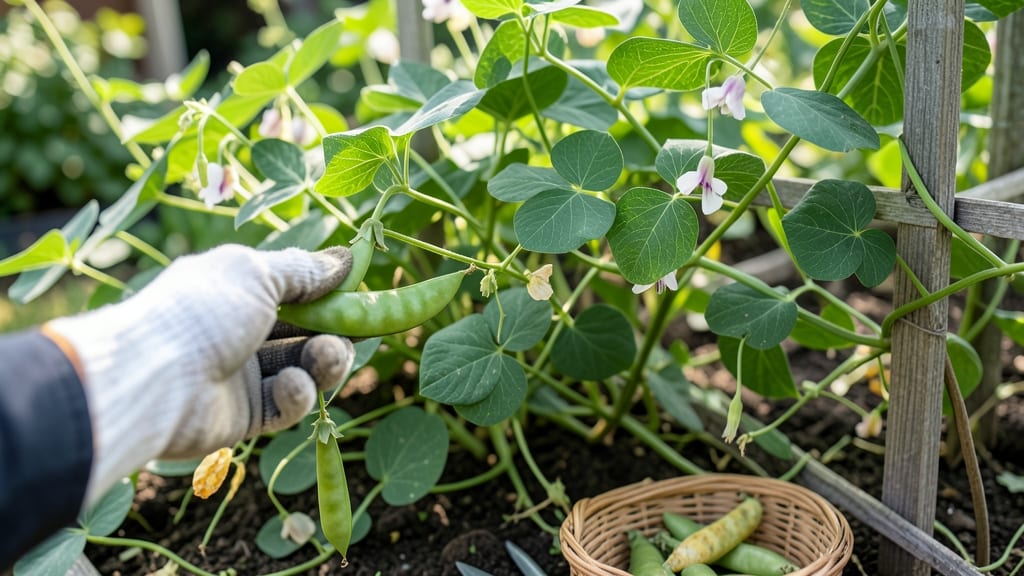
Harvest peas when they snap cleanly at the stem and pods are bright green 🌱 — that’s the sweet spot for flavor and texture.
Picking too early means tiny peas, and waiting too long turns them mealy. The secret? A simple bend test that reveals readiness without cutting into the pod. I’ve missed this window more times than I’d admit, and it always ends with a sad, starchy bite.
Pea varieties differ slightly: sugar snaps and snow peas need pods just under 3 inches, while shelling peas wait until seeds are plump but still tender. Climate plays a role too — cooler springs delay maturity, while heat speeds it up.
Below, I’ll walk you through the exact snap test, variety-specific timing, and how to stretch your harvest season without sacrificing quality.


How to perform the perfect pea pod snap test for harvest readiness
The pea pod snap test is my go-to trick for harvesting peas at their absolute peak—no guesswork, no overripe mess. This simple method lets you check harvest readiness by feel and sound, ensuring your peas stay sweet and tender.
Whether you're growing sugar snaps, snow peas, or shelling peas, mastering this test will transform your harvest from "meh" to "magical."
Here's the golden rule: ready-to-harvest pods should snap cleanly with a satisfying crack when bent slightly at the stem end. If you hear a crisp "pop" and see the pod break smoothly, you've hit the sweet spot.
But if it bends without snapping or feels mushy, it's either too early or too late. Let me walk you through the exact steps I use every season.
Pick a fully developed pod (2-3 inches long) that's bright green and firm to the touch. Avoid pods with brown spots or wrinkled skin.
Grip the pod about 1 inch from the stem using your thumb and forefinger. Make sure your fingers are dry and clean to avoid contaminating the pod.
Bend the pod slightly backward (away from the plant) with light pressure. Think of it like testing a green bean—just enough to feel resistance.
A clean, crisp snap means the pea is perfectly ripe. If it bends without snapping, wait 1-2 days and test again. If it feels woody or hollow, it's past its prime.
For shelling peas, peek inside: seeds should be plump but not filling the pod. For sugar snaps, the peas inside should be small and sweet-looking.
Use clean scissors or pruners to snip the pod just above the first leaf node. This encourages more pods to form!
Timing is everything with peas, and the snap test works for all three main types. Sugar snaps should snap crisply when pods are 3-4 inches long, while snow peas are ready when they're flat and 2-3 inches wide. Shelling peas need that clean snap when pods are 2-3 inches long but before the peas inside get too large.
One pro tip I swear by? Test pods every morning during peak harvest season. Peas ripen quickly, and checking them daily ensures you never miss the window. I also recommend harvesting on cool, cloudy days—peas stay fresher longer when picked before the heat of midday sets in.
What if your pods fail the snap test? Don’t panic! Underripe pods (no snap) just need more time, while overripe pods (mushy or hollow) should be composted. The key is consistency—once you start testing daily, you’ll develop an instinct for when your peas are begging to be picked.
For extra sweetness, try harvesting early in the morning when sugars are at their peak. Store peas in the fridge for up to 5 days, or eat them fresh within hours. Trust me, your taste buds will thank you when you nail that perfect snap!
Remember, the snap test isn’t just about flavor—it’s about plant health too. Overripe peas signal the plant to stop producing, so staying on top of harvests keeps your pea plants productive all season long. Happy snapping!
Pea variety harvest timelines: when to expect peak flavor by type
Pea varieties have distinct harvest windows, and missing them by even a few days can turn sweet peas into tough, starchy bites. Sugar snap peas, for example, reach peak flavor when pods are 2-3 inches long and crisp, while shelling peas wait until seeds swell but remain tender.
Climate plays a role too—cooler springs delay maturity, while heat can rush the process.
Understanding these timelines helps you plan for successive plantings and avoid the disappointment of overripe peas. Below, I’ve broken down the key differences between varieties, including days to maturity, visual cues, and how to adjust for your local climate.
| Variety | Days to Maturity | Harvest Cues | Overripe Signs | Climate Adjustment |
|---|---|---|---|---|
| Sugar Snap | 55-65 days | Pods 2-3" long, bright green, snap cleanly | Woody pods, shrunken peas | Harvest 1-2 weeks earlier in heat |
| Snow Peas | 50-60 days | Flat pods 2-3" long, tender | Thickened pods, tough texture | Extend season in cool climates |
| Shelling Peas | 60-70 days | Pods 2.5-3" long, seeds plump but tender | Dry, shriveled peas inside | Harvest earlier in hot regions |
Sugar snap peas are the fastest to mature, often ready in 55-65 days after planting. Their pods should be bright green, crisp, and snap easily when bent near the stem.
If you wait too long, the pods turn woody, and the peas inside shrink. In hot climates, I’ve found they mature 1-2 weeks faster, so I harvest more frequently.
Snow peas, like 'Oregon Sugar Pod', need slightly cooler temperatures to develop properly. Their flat pods should be 2-3 inches long and tender enough to eat whole.
Overripe snow peas thicken and toughen, losing their delicate texture. In cooler springs, they may take longer to mature, so patience is key.
Shelling peas, such as 'Wando', require the longest wait—60-70 days. The goal is to harvest when seeds are plump but still tender, not when they’ve fully developed. Waiting too long turns the peas mealy and dry.
In my garden, I’ve learned to check pods daily once they start forming, as their window for peak flavor is narrower than other types.
Climate adjustments are critical. In hot summers, peas mature faster, so I harvest more frequently. In cooler springs, I extend the season by planting succession crops every 2 weeks. Always prioritize morning harvests to preserve freshness and flavor.