
Flowers
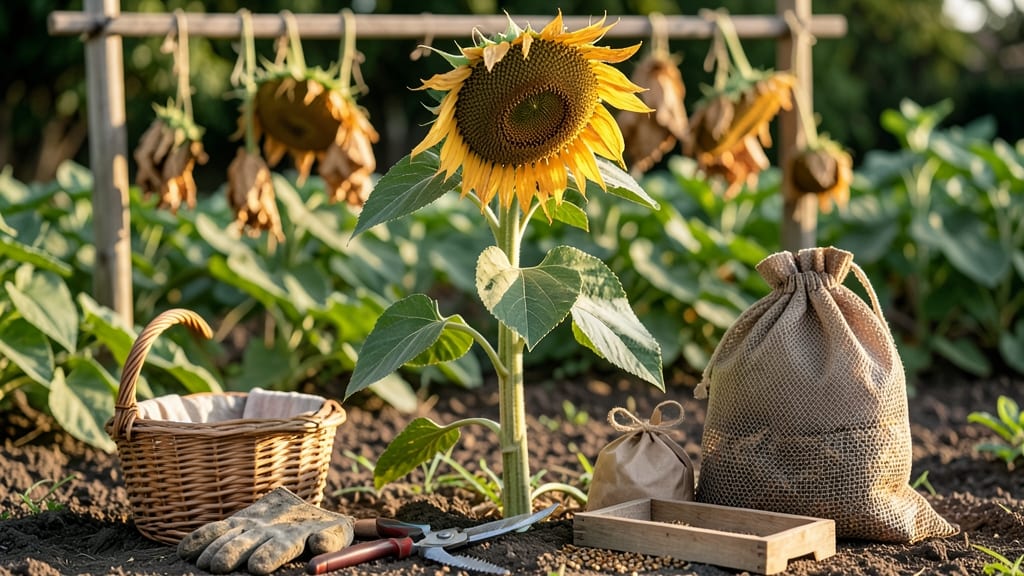
Harvesting sunflowers at the right time ensures you get the perfect mix of flavor and nutrition — and missing those cues can leave you with bitter, unusable seeds.
Most gardeners wait too long, watching their 🌻 heads turn brown without realizing the seeds inside are already past their prime. The key? Three simple visual signals that tell you exactly when to pull them.
In Zone 6a, where frost can sneak in by October, timing matters even more. A few extra days can mean the difference between crisp, edible seeds and ones that shatter at the slightest touch.
Below, I’ll walk you through the three foolproof signs to watch for — plus how to adjust for your local climate so you never miss the harvest window again.


3 Visual cues to identify perfectly mature sunflower heads
Harvesting sunflowers at the right moment ensures you get nutritious, flavorful seeds instead of bitter or shriveled ones. The key lies in recognizing three distinct visual cues that signal peak maturity. These subtle changes often go unnoticed by even experienced gardeners, yet they're essential for determining the perfect harvest window.
Sunflowers typically reach harvest readiness 75-120 days after planting, but relying solely on time isn't enough. Environmental factors like temperature and sunlight can significantly alter this timeline.
That's why mastering these physical indicators gives you the confidence to harvest at the optimal moment, whether you're growing sunflowers for seeds, bird feed, or decorative purposes.
To test these cues accurately, examine your sunflowers in morning sunlight when petals are fully exposed. Early morning also reveals the true color of the back without the interference of evening dew.
I recommend checking your sunflowers every 3-4 days during the final two weeks of their growth cycle to catch the perfect moment.
For edible seed varieties, timing is especially critical. Seeds harvested too early will be underdeveloped and bland, while those left too long may sprout prematurely or attract pests. The brown back and drooping petals combination is your golden ticket to flavorful, high-quality seeds that store well for months.
Regional climate plays a role too. In warmer zones (USDA 8-10), sunflowers mature faster, so monitor the back-of-head color more closely. In cooler climates (USDA 3-6), petals may stay vibrant longer—don't rush the harvest based solely on time.
Always prioritize the physical cues over calendar dates for the best results.
Pro tip: If you're growing sunflowers for ornamental purposes, you can harvest slightly earlier when the petals just begin to droop. For seed production, wait until the back is fully brown and the seed head feels completely dry to the touch.
This small difference ensures you meet your specific goals without compromising quality.
Once you've confirmed all three visual cues, harvest on a dry, sunny day to prevent moisture from promoting mold. Use a sharp knife or pruners to cut the flower head cleanly, leaving a 1-2 inch stem.
Hang the heads upside down in a dry, dark place for 1-2 weeks to fully dry the seeds before processing.
Remember, the earlier you learn to spot these cues, the more confident you'll become in your sunflower harvests. With practice, you'll develop an almost instinctive ability to recognize the perfect moment—transforming your garden into a reliable seed source year after year.
Sunflower seed maturity timeline: days after flowering to harvest
Understanding the sunflower seed maturity timeline helps you harvest at the perfect moment—when seeds are plump, nutritious, and ready for storage or planting. From the first bloom to harvest-ready maturity, sunflowers typically take 60 to 120 days, depending on variety and growing conditions.
For most common varieties, like Mammoth or Autumn Beauty, the window narrows to 75 to 90 days after flowering.
After a sunflower blooms, its seed head development accelerates rapidly. The first 14 to 21 days post-flowering are critical for seed formation, while the final 2 to 3 weeks determine whether your seeds will be bitter or fully mature.
Environmental factors like temperature and sunlight exposure can shift this timeline by up to 10 days, so pay close attention to your local climate.
🌻 SUMMARY TABLE: Sunflower Seed Maturity Timeline
| Stage | Days After Flowering | Key Visual Cues | Environmental Impact |
|---|---|---|---|
| Early Seed Formation | 0–14 days | Petals fully open; seed head green | Slow growth in cool temps (<60°F) |
| Rapid Growth | 15–45 days | Petals start drooping; back turns yellow | Faster with full sun (8+ hours/day) |
| Maturity | 46–75 days | Back fully brown; seeds firm when squeezed | Drought slows; frost speeds drying |
| Overripe | 76–120+ days | Seeds loose; head cracks open | Risk of seed loss; bitter taste |
In hot climates (USDA Zones 8–10), sunflowers mature 10–15 days faster due to extended daylight and warmth.
For example, in Arizona or California, you might harvest as early as 60 days after flowering, while in cooler regions (Zones 3–5), like Minnesota or Maine, the timeline stretches to 90–120 days. Always monitor your plants closely, as early frosts can force premature harvests.
If you're growing dwarf varieties, like Teddy Bear or Moulin Rouge, expect a slightly shorter timeline—often 60–75 days. These varieties prioritize compact growth over height, so their seed heads mature faster.
Meanwhile, tall varieties, such as Russian Giant, may take up to 120 days to reach full maturity, especially in shorter daylight conditions.
Pro tip: Use a gardening journal to track your sunflowers' progress. Note the date of flowering and observe daily changes in the seed head color and petal condition. This helps you adjust for future plantings and fine-tune your harvest timing.
For example, if your 2023 crop matured in 80 days instead of 75, you’ll know to harvest earlier next year.
Harvesting too early results in underdeveloped seeds with poor nutritional value, while waiting too long risks seed loss or bitterness. Aim for the golden window—when the back of the head is fully brown and the seeds feel firm but not rock-hard.
With this timeline in mind, you’ll enjoy perfectly mature sunflower seeds every season. 🌾