
How To
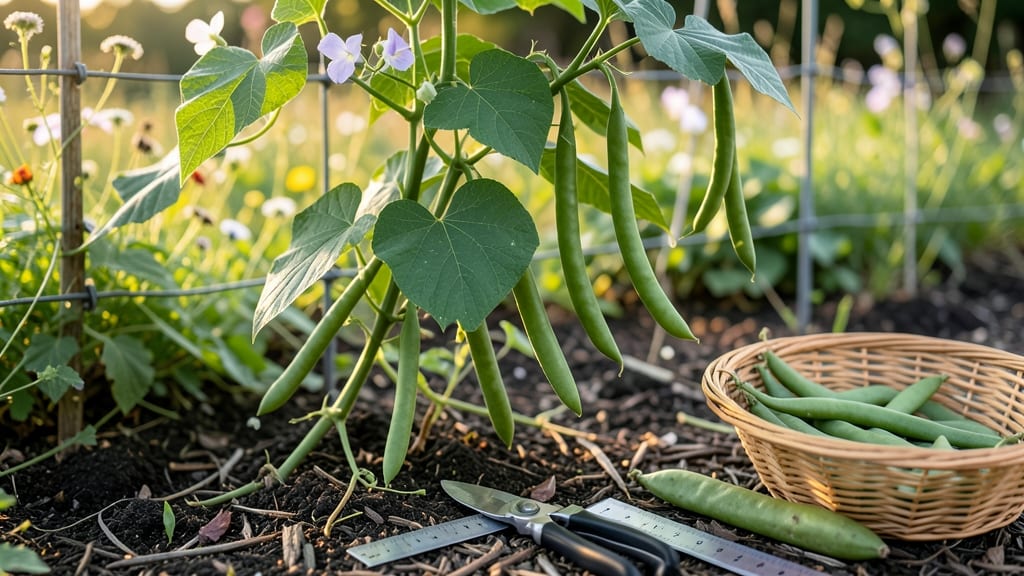
Harvest yard long beans when pods reach 12–18 inches and show a slight crack at the tip—this is the sweet spot for peak tenderness and flavor.
Picture this: you’re reaching for a pod, and it snaps gently at the seam, but doesn’t split open. That’s your cue—wait any longer, and those crisp beans turn tough and stringy. Missing this window means sacrificing the restaurant-quality texture you’re growing them for.
Timing matters even more in USDA Zone 6a, where the growing season is tight. Plant after your last frost (mid-April), and you’ll have just 90 days to nail the harvest before cooler weather sets in.
Below, I’ll break down the exact visual cues to watch for, how often to check your plants, and the one mistake that turns your beans into garden firewood—so you can enjoy that first bite of homegrown perfection.


How to identify the perfect harvest time for yard long beans
Harvesting yard long beans at the right moment transforms your garden into a flavor factory. These beans thrive when picked young, but missing the window means tough, fibrous pods that even the best recipes can't save.
The key lies in three simple visual and tactile cues: pod length, texture, and that telltale crack at the tip. Master these, and you'll enjoy beans that snap crisply when cooked.
Start by checking pod length, which is your first clue. Ideal yard long beans should measure between 12–18 inches when harvested. Anything shorter than 10 inches is still too young, while pods over 20 inches become woody and lose their delicate flavor.
Use a tape measure if you're unsure—precision here makes all the difference.
Next, focus on the pod's texture. At peak harvest time, the pods should feel firm but flexible, almost like a well-cooked green bean. Press gently—if it bends slightly without resistance, it's ready.
However, if the pod feels hard or woody, it's past its prime. Overripe beans also develop a thicker, tougher skin that's nearly impossible to tenderize.
The most reliable sign? A small crack at the tip of the pod. This tiny split indicates the bean is nearing maturity but hasn't yet hardened. It’s your garden’s way of saying, "Pick me now!"
If you ignore this cue, the pod will continue growing, and the seeds inside will bulge, making the entire bean stringy and unappetizing. This is the golden window for harvest.
| Harvest Cue | Description | Action |
|---|---|---|
| Pod Length | 12–18 inches | Harvest immediately |
| Texture | Firm but flexible | Pick for best flavor |
| Tip Crack | Small split at end | Harvest within 1–2 days |
| Seed Size | Tiny and soft | Avoid if seeds bulge |
| Color | Bright green | Dull or yellow = overripe |
Color also plays a role in determining harvest readiness. Bright green pods are your goal—anything dull, yellowing, or streaked with brown is a sign of overmaturity. These beans lose their crispness and develop an unpleasant, bitter taste.
If you notice dark spots or wrinkles on the pods, it’s a clear indication that the plant has stopped producing quality beans for the season.
Timing your harvest correctly extends your plant’s productivity. Yard long beans produce continuously, so harvest every 2–3 days during peak season to encourage more pods. This frequent picking signals the plant to keep producing rather than letting pods overmature.
Think of it like trimming your hedges—regular maintenance keeps everything lush and productive.
Regional growing seasons affect harvest windows too. In USDA Zone 6a, yard long beans typically reach harvest readiness between July and September, depending on your planting date. If you’re in a warmer climate, like Zone 9 or 10, you might harvest as early as May or June.
Always plant after the last frost date—mid-April to early June in most regions—to ensure your beans have enough time to mature before cooler weather arrives.
One common mistake is waiting until pods are fully grown before harvesting. By then, the beans are often too fibrous and dry, even if they’re still green. Instead, prioritize frequency over quantity.
A steady supply of tender, young pods beats a few overripe ones. This approach also reduces the risk of pests and diseases, as overripe beans attract more insects and rot faster.
Finally, harvest in the morning when pods are cool and crisp. This timing ensures you’re picking at the peak of freshness, and the beans will stay firmer longer if stored properly. Avoid harvesting after a hot afternoon, as the pods may wilt or become limp.
With these cues in mind, you’ll enjoy a continuous harvest of restaurant-quality yard long beans all season long.
Common mistakes that ruin yard long bean harvests (and how to avoid them)
One of the biggest mistakes I see gardeners make is waiting too long for those yard long beans to reach their full length. By the time they hit 24 inches, they’ve already gone from tender to tough, losing that restaurant-quality snap.
Even a 2-inch delay can turn your harvest into garden firewood—no one wants that!
Another common error is ignoring the subtle signs of overripeness. Many gardeners focus only on pod length but miss the color shift from green to yellowish or the hardening texture.
These are your warning flags that the beans have passed their prime. I’ve seen entire harvests ruined because someone thought "bigger is better" without checking the internal seed development.
Timing your harvests also matters—morning is the best time of day to pick. Beans harvested in the afternoon can taste bitter due to heat stress. I always grab my pruning shears and a basket right after sunrise to ensure peak flavor and texture.
⚠️ callout-warning⚠️ The #1 Mistake: Harvesting at the Wrong Stage
Overripe pods (beyond 18 inches) develop woody fibers and bulging seeds, making them inedible. Check for these 3 warning signs before picking:
- 📏 Pods >18 inches – Too long = too tough
- 🪵 Hard texture – Press gently; woody pods are past prime
- 👁️ Visible seeds – Large seeds mean overmaturity
Pro Tip: Harvest every 2–3 days in peak season to prevent overripeness. Use sharp scissors to avoid damaging vines.
Skipping regular harvests is another silent killer of yield. Yard long beans produce continuously, and if you let pods linger on the vine, the plant redirects energy to seed production instead of new growth.
I’ve seen plants stop producing entirely after just one missed harvest cycle—don’t let that happen to you!
Even the time of year plays a role in USDA Zone 6a. If you plant too late (after June 1st), your beans may not mature before the first frost (October 30th).
I always aim for a July–September harvest window to maximize the 90-day growing season. Use row covers if frost threatens early.
Finally, avoid harvesting with dull or dirty tools. Snipping with rusty scissors can introduce diseases like bacterial blight, which spreads rapidly in warm, humid conditions. Keep your tools clean with a 10% bleach solution between uses—your future harvests will thank you!