
Trees
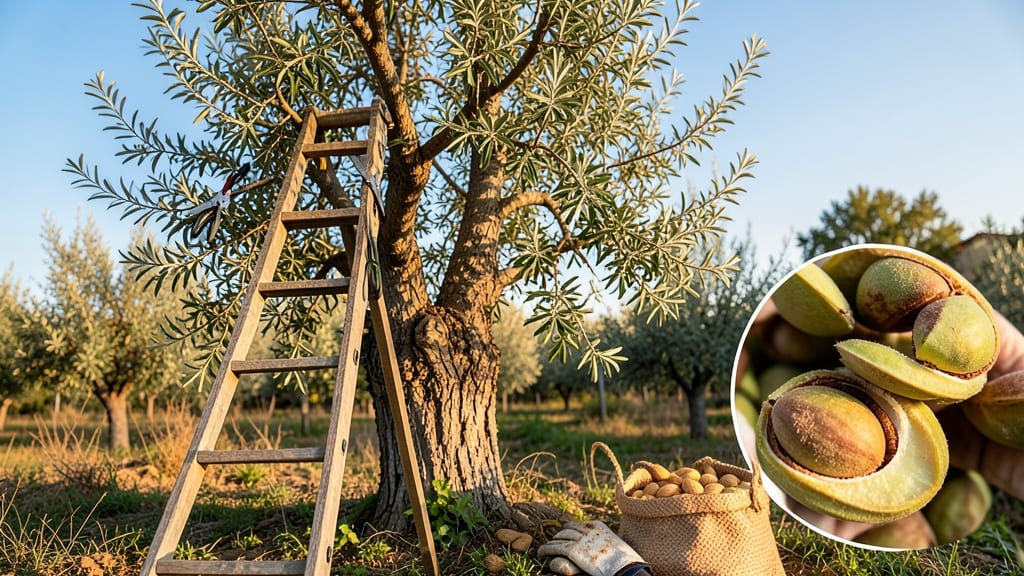
The almond tree harvest time is critical—getting it right ensures rich, flavorful nuts 🌰, while missing the window can leave you with bitter, underdeveloped shells.
Timing your almond tree harvest perfectly can mean the difference between plump, flavorful nuts and bitter, underdeveloped ones—yet most gardeners miss the optimal window by ignoring moon phases and nutrient flush triggers.
In USDA Zone 6, the ideal harvest falls between late August and October, when the hulls turn brown and nuts rattle inside. But climate and variety play a role: Mediterranean types ripen earlier than California varieties.
Below, I’ll walk you through how to read your tree’s signals, adjust for your region, and avoid common mistakes that ruin quality—so you end up with the best harvest possible.

When to harvest almonds based on moon phases and nutrient flush
Harvesting almonds at the perfect moment ensures maximum flavor and nutrient density. Most gardeners focus on calendar dates, but the waxing moon and nutrient flush in the tree are far more reliable indicators.
Almonds typically reach peak ripeness between late August and October, but this shifts based on your climate zone and lunar cycle.
The waxing moon (when the moon is growing brighter) aligns with the tree's natural energy surge, making it the ideal time to harvest. During this phase, the tree's sap flow increases, concentrating nutrients in the nuts.
This lunar alignment reduces stress on the tree and enhances nut quality. Pair this with observing the tree's nutrient flush—when leaves yellow and drop—to pinpoint the exact moment.
In California's Mediterranean climate, harvests often begin in early September due to warm, dry conditions. Meanwhile, temperate zones like the Pacific Northwest may see harvests extend into late October because cooler temperatures slow ripening.
Understanding these regional differences helps you avoid harvesting too early (leading to bitter, underdeveloped nuts) or too late (risking pest damage and poor storage quality).
| Region | Ideal Harvest Window | Moon Phase | Nutrient Flush Signs |
|---|---|---|---|
| California (Mediterranean) | Early September | Waxing Gibbous | Hulls brown, nuts rattle |
| Pacific Northwest (Temperate) | Late September - October | Full Moon to Waning Gibbous | Leaves yellow, shells harden |
| Southern U.S. (Warm Climate) | Mid-August - Early September | Waxing Crescent | Hulls split naturally |
A nutrient flush is one of the clearest signals that your almonds are ready. This occurs when the tree redirects nutrients from leaves to nuts, causing leaves to turn yellow and drop.
Simultaneously, the hull (outer shell) transitions from green to brown and begins to split open naturally. If you shake a branch, you should hear the nuts rattle inside—a classic sign of ripeness.
To confirm readiness, perform the "tap test": Gently tap a mature nut against your palm. If it sounds hollow and the shell feels hard to crack with fingers, it’s ready.
Avoid harvesting if the hull is still green or the nut feels soft—this indicates underripe almonds with poor flavor. Waiting too long risks pest infestations like squirrels or weevils, which can contaminate your harvest.
For gardeners in USDA Zone 6 or colder, harvest times may shift slightly later due to cooler temperatures. Monitor your tree closely, as early frosts can halt ripening. In these regions, aim for the waning gibbous moon phase to balance lunar energy with the tree’s natural cycle.
Always prioritize the nutrient flush over rigid dates—your tree’s signals will never steer you wrong.
Once you’ve confirmed the ideal harvest window, act quickly. Almonds ripen unevenly, so harvest in 2-3 batches over 1-2 weeks. Use a pruning saw or harvest rake to gently remove nuts from the ground, then spread them in a single layer to dry in the sun.
Proper drying prevents mold and ensures long-term storage quality. Store dried almonds in a cool, dark place with low humidity to preserve their flavor.
Timing your harvest with the waxing moon and nutrient flush isn’t just tradition—it’s science. The moon’s gravitational pull influences sap flow, while the tree’s nutrient redistribution ensures your almonds are packed with flavor.
By aligning these natural cues with your regional climate, you’ll enjoy a harvest that’s both abundant and exceptional. 🌰🌿
How to test almond ripeness: 3 key indicators beyond moon phases
Harvesting almonds at the right time ensures flavorful, high-quality nuts—but relying only on moon phases misses critical physical cues from the tree. Premature harvesting leads to bitter, underdeveloped nuts, while waiting too long risks pest damage and poor shell integrity.
Instead, focus on these three key indicators that reveal when your almonds are truly ready.
First, understand that nut shell hardness is the most reliable signal. Unripe almonds have soft shells that crack easily with finger pressure, while ripe ones require significant force to break. This hardness develops as the nut matures, ensuring it won’t split open during harvest or storage.
Pair this with leaf color changes, where healthy green leaves transition to yellow or brown as the tree redirects energy to the nuts.
🌰 3 Key Signs Your Almonds Are Ready to Harvest
- 1. Shell Hardness: Nuts must feel rock-hard when tapped—no give at all.
- 2. The Tap Test: Shake the hull gently; ripe nuts rattle loudly inside.
- 3. Hull Color: Outer hull turns brown and splits naturally (no forced cracking).
🌿 Note: Test 2-3 nuts from different branches for accuracy.
Next, perform the 'tap test', a quick method to check ripeness without damaging the tree. Hold a single almond hull in your palm and tap it firmly with your knuckles.
If the nut inside rattles distinctly, it’s ready. A dull thud means it’s still immature. This test works best in the morning hours when nuts are firmest after dew evaporation.
Watch for leaf color changes as another critical clue. As almonds ripen, the tree’s leaves begin to yellow or drop, signaling nutrient redistribution from foliage to the nuts. However, avoid harvesting if leaves turn brown due to disease or drought stress, as this can indicate poor nut quality.
Pair this with monitoring the hull’s natural splitting—ripe hulls crack open on their own, while unripe ones remain tightly sealed.
Timing is everything: harvest too early, and you’ll get small, bitter almonds with poor storage life. Wait too long, and pests like squirrels or weevils will target the ripe nuts.
To avoid these pitfalls, combine the shell hardness test, tap test, and leaf color changes into a routine check every 3-5 days during peak harvest season (late August to early October in most regions).
Pro tip: Use a harvest journal to track these signs year after year. Note the exact dates when your tree shows readiness, adjusting for your local climate. For example, Mediterranean climates may harvest 2-3 weeks earlier than temperate zones due to warmer temperatures accelerating ripening.
By mastering these three key indicators, you’ll consistently harvest almonds at peak flavor and quality.