
How To
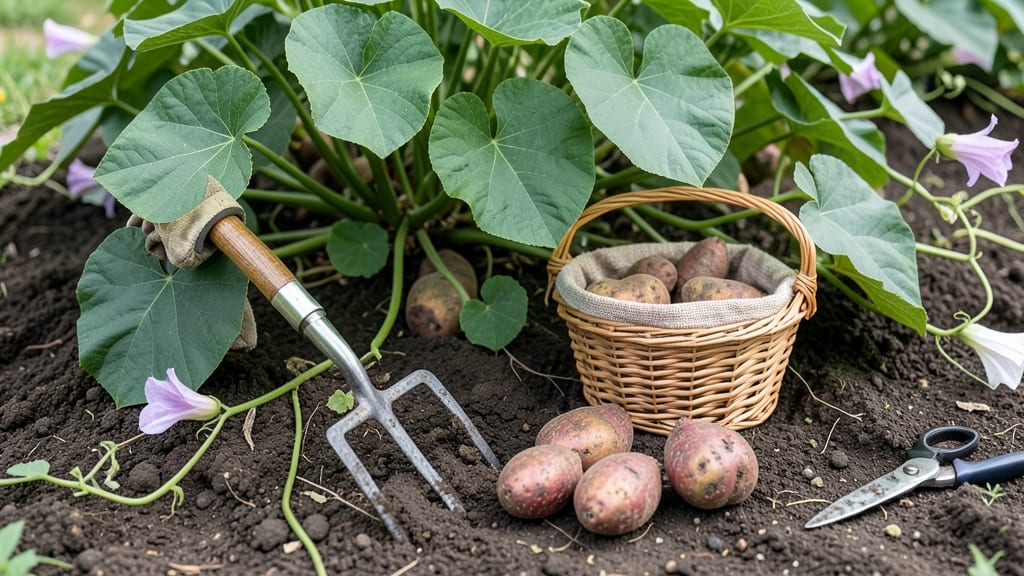
Harvesting sweet potatoes at the right time means 90 to 140 days after planting—when skin toughens and vines fade 🍠, not by calendar alone.
Picture this: you’ve spent months nurturing your sweet potato plants, and now the question looms—dig too soon, and you’ll get woody, underdeveloped tubers. Wait too long, and frost or overripeness turns your harvest into a storage nightmare.
The difference between a perfect crop and a disappointing one often comes down to knowing when to pull the trigger.
Most gardeners rely on days to maturity, but soil temperature, vine health, and even rainfall can shift that window. A finger test (press a nail into the skin—if it resists, it’s ready) is just as critical as counting weeks.
Below, I’ll walk you through the exact signs to watch for, plus how to adjust for your climate zone.
By the end, you’ll know not just how many days to harvest, but also how to spot the perfect moment—so your sweet potatoes come out sweet, firm, and ready for the table.

Sweet potato harvest timeline: days to maturity by variety & climate
Timing your sweet potato harvest is all about balancing days to maturity with climate conditions. Most varieties take between 75–120 days to reach harvest readiness, but cooler climates (USDA zones 7–8) can stretch this to 120–140 days.
Warmer zones (9–10) often deliver sweeter tubers in as little as 90 days, thanks to faster growth and longer growing seasons. The key is understanding how your local temperature and variety choice interact to determine the perfect harvest window.
For example, Beauregard—the most popular variety—typically matures in 90–100 days in warm climates but may need 10–14 extra days in cooler regions. Meanwhile, Purple varieties like Georgia Jet often take 100–120 days, while Jewel (a late-season favorite) can stretch to 120–140 days.
These differences matter because harvesting too early results in small, watery tubers, while waiting too long can lead to shriveled or sprouting roots.
Your USDA hardiness zone plays a critical role in determining when to harvest. In zones 9–10, where temperatures stay warm year-round, sweet potatoes often mature faster due to longer daylight hours and consistent warmth.
For example, in Southern California or Florida, you can harvest Beauregard as early as late August if planted in early spring. In contrast, gardeners in zones 7–8 (like North Carolina or Tennessee) may need to wait until October or early November to avoid frost damage.
Soil temperature also affects maturity. Sweet potatoes won’t grow well in soils below 60°F (15°C), which is why early plantings in cooler zones often result in smaller yields.
To compensate, start slips in well-warmed soil (aim for 70°F/21°C or higher) and use black plastic mulch to accelerate warming. This can shave off 10–14 days from the maturity timeline in marginal climates.
Another critical factor is daylength sensitivity. Sweet potatoes are short-day plants, meaning they respond to decreasing daylight hours by
3 Key signs your sweet potatoes are ready to harvest (beyond days)
Counting down the 90 to 140 days to maturity is a good starting point, but sweet potatoes don’t always follow the calendar. Instead of guessing, focus on three foolproof signs that tell you it’s time to dig.
These indicators—vine dieback, skin toughening, and the finger test—work better than days alone, especially in unpredictable climates. I’ve learned the hard way that skipping these checks can mean harvesting tubers that are either too small or woody.
First, let’s address the elephant in the garden: relying solely on days can backfire. Cool soil temperatures or drought stress can slow growth, while warm weather might speed it up.
For example, in USDA Zone 9, sweet potatoes often mature in 90 days, but in cooler Zone 7, they might need 140 days or more. Adjust your expectations based on your local conditions, not just the seed packet’s estimate.
Drought or overwatering can throw off these signs, so pay attention to your plants’ overall health. For instance, drought stress might cause vines to die back prematurely, while excess moisture can lead to soft, waterlogged tubers.
If your sweet potatoes are in well-draining soil and you’ve maintained consistent moisture, these three signs will guide you accurately. Pro tip: Harvest on a dry, sunny day to prevent soil from sticking to the tubers.
Once you’ve confirmed the signs, it’s time to dig carefully. Use a fork or spade to loosen the soil around the base of the vines, then gently lift the tubers to avoid bruising. Handle them with care—their skin is delicate, and damage can lead to rot during storage.
After harvesting, let them cure in warm conditions (80–85°F) for 5–10 days to develop their sweetness and thicken their skin further.
If you miss the window, don’t panic. Sweet potatoes stored in a cool, dark place (55–60°F) can last for months, but they’ll lose some of their sweetness over time.
The key is to harvest at the right moment the first time—so you can enjoy that perfect balance of sweetness and texture right from your garden to your table.