
Advice
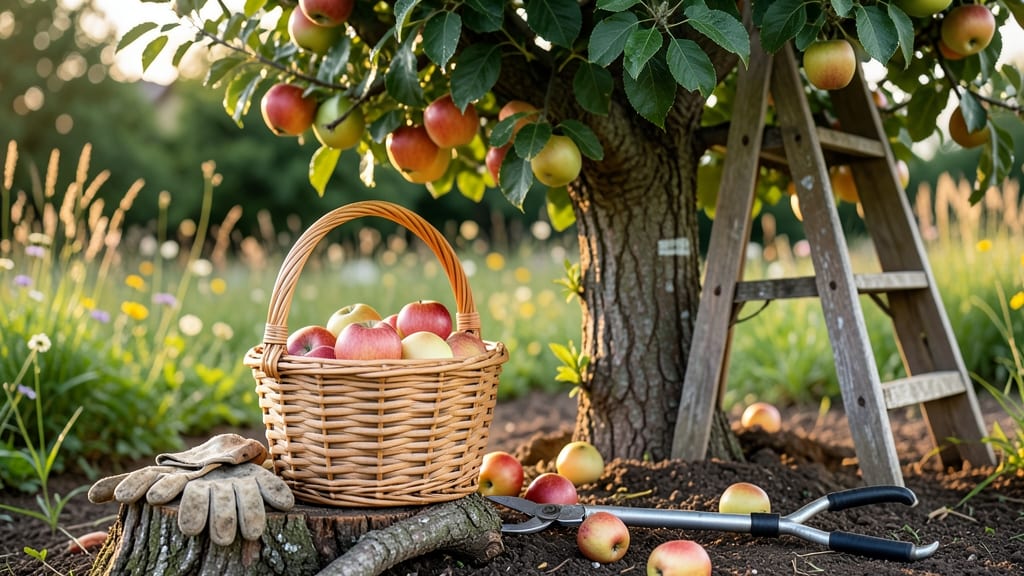
The apple harvest season in General (USDA Zone 6 default) is your golden ticket to crisp, flavorful fruit—if you time it right. Picture this: you’ve spent years nurturing your 🍎 tree, and now the moment of truth arrives.
One wrong move, and you’re left with mealy apples that won’t last past Thanksgiving. But nail the timing, and you’ll enjoy fresh fruit well into winter.
Most apples ripen between late summer and early fall, but the exact moment depends on your variety and local climate. A Honeycrisp won’t wait for a Granny Smith, and a sudden frost can turn a perfect harvest into a sad pile of bruised fruit.
The key? Learning the subtle cues—like skin color shifts, the "thump test," and when the stem separates with a gentle twist.
Beyond the calendar, weather plays a huge role. Too much rain before harvest can dilute flavor, while dry spells can concentrate sugars. Even pests like codling moths can sneak in if you’re not paying attention.
That’s why knowing when your apples are truly ready—not just guessing—makes all the difference between a disappointing crop and a pantry full of perfect fruit.
In this guide, I’ll walk you through the exact signs to watch for, the best tools to use, and how to store your harvest so it stays fresh for months.
Whether you’re a first-time grower or a seasoned orchard keeper, these tips will help you avoid common mistakes and make the most of your hard work.


How to determine the perfect apple harvest season timeline by variety
Harvesting apples at the right time transforms your orchard from a labor of love into a bounty of flavorful, long-storing fruit. But timing varies dramatically by apple variety, with some ripening in late summer and others holding until deep fall.
Even within the same variety, climate zone and weather patterns shift the calendar by weeks. Let's break down the science and practical steps to nail your harvest window.
The key to perfect timing lies in understanding three factors: variety-specific ripening periods, color and texture cues, and the starch test for storage apples. For example, Honeycrisp apples need 180-240 days to mature, while Granny Smith can take up to 270 days.
Weather plays a critical role too—cool summers delay ripening, while hot spells can rush it. Let's explore how to use these clues to harvest each variety at peak perfection.
| Variety | Harvest Window (USDA Zone 6) | Color Cues | Starch Test | Best For |
|---|---|---|---|---|
| Fuji | Late Sept - Early Oct | Red/yellow blush | Medium-low starch | Fresh eating, storage |
| Honeycrisp | Mid-Sept - Late Sept | Red-orange stripes | Low starch | Fresh eating |
| Granny Smith | Late Oct - Nov | Bright green | High starch | Storage, cooking |
| Gala | Early Sept - Mid-Sept | Orange-red blush | Low starch | Fresh eating |
| McIntosh | Mid-Sept - Early Oct | Red streaks | Medium starch | Fresh eating, storage |
| Pink Lady | Late Sept - Early Oct | Red with pink blush | Low starch | Fresh eating |
| Jonagold | Late Sept - Early Oct | Red-yellow | Medium starch | Storage, cooking |
| Rome Beauty | Late Oct - Nov | Red stripes | High starch | Storage, cooking |
5 Key signs your apples are ready to pick (beyond color)Most gardeners assume apple ripeness is all about color—think bright red or golden yellow skin. But that’s only part of the story. Apples mature unevenly, and picking too early or too late can ruin your harvest. The secret lies in five subtle cues that reveal when your fruit is truly ready. These signs work for Honeycrisp, Granny Smith, and every variety in between, regardless of your USDA Zone 6 climate. Color is just the first clue. For example, a Granny Smith might stay green even when ripe, while a Fuji could turn deep red before reaching peak flavor. That’s why I rely on a combination of texture tests, stem behavior, and even seed color to decide the perfect moment. Skipping these checks often leads to mealy apples or fruit that spoils faster—don’t let that happen to your hard-earned harvest!
Avoid these common mistakes that throw off your timing: picking based on color alone (especially for green varieties like Granny Smith), ignoring the stem test in favor of guesswork, or harvesting after a hard frost, which ruins texture. Even a single night below 28°F can turn crisp apples into mushy disappointments. When in doubt, use the seed color test—it’s the most reliable indicator of true ripeness. Pro tip: Harvest in the morning when temperatures are cooler. This reduces bruising and preserves flavor longer. Store your freshly picked apples in a cool, dark place (like a basement) for up to a month, or refrigerate for extended storage. Now that you know these five key signs, you’ll never second-guess your apple harvest again! |