
How To
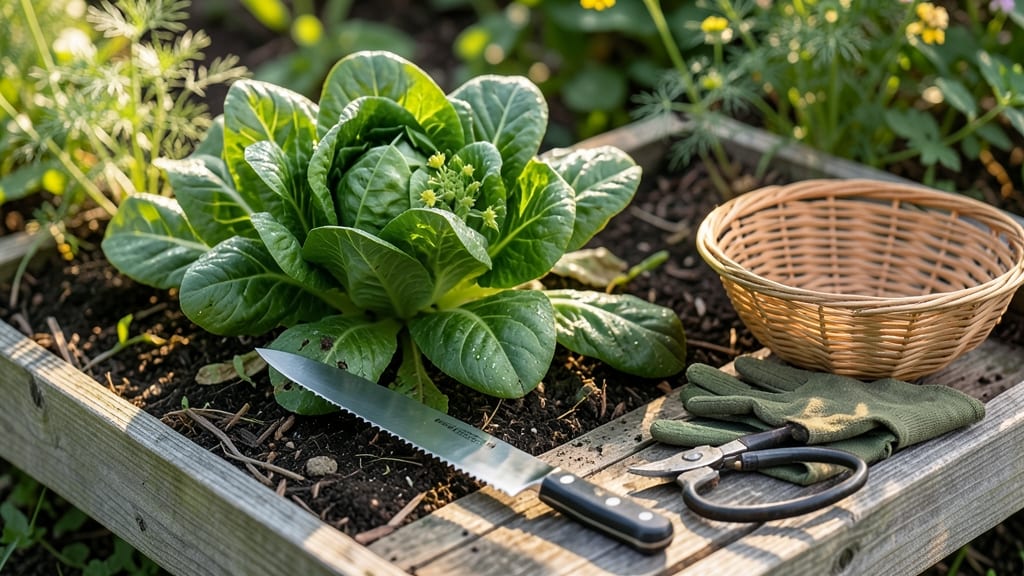
Harvesting lettuce from your garden at the right time ensures crisp, flavorful leaves that keep coming back for weeks—no bitter disappointment required.
Picture this: you’ve nurtured your 🥬 plants through the spring, and now the moment has arrived. But wait—how do you know when to pick those outer leaves without sacrificing the plant’s future growth?
And what’s the secret to cutting them so they stay fresh longer? The answers lie in timing, technique, and a few simple tricks that’ll turn your garden into a lettuce-producing machine.
Most gardeners make one of two mistakes: harvesting too early (tiny, sad leaves) or too late (bolting, bitter greens). The key is catching those leaves when they’re 3–6 inches long, firm to the touch, and packed with vibrant color.
That’s when they’re at their peak—crisp, sweet, and ready for your salad bowl.
In this guide, I’ll walk you through exactly when to harvest, how to do it without damaging your plants, and the best tools to use. You’ll also discover how to extend your harvest season, avoid common pitfalls, and keep your lettuce producing like a champ—even in the heat of summer.


When and how to harvest lettuce for maximum crispness and flavor
Timing your lettuce harvest is everything—pick too early, and you’ll sacrifice flavor and size; wait too long, and you risk bitter bolting or tough leaves. The key is understanding your lettuce variety and recognizing the perfect signs of readiness, like crisp texture and vibrant color.
Whether you’re growing loose-leaf, romaine, or butterhead, mastering these techniques ensures your garden lettuce stays fresh, flavorful, and ready for the table.
Harvesting lettuce isn’t just about cutting leaves—it’s about preserving regrowth and extending your harvest season. By using the right tools and techniques, you can enjoy continuous harvests for weeks, even from the same plant. The secret?
A sharp knife, gentle hands, and knowing exactly when to pluck each leaf without damaging the growing point at the base. Let’s break down the best practices for timing, cutting, and encouraging regrowth to keep your lettuce crisp and delicious.
For loose-leaf varieties, you can start harvesting as soon as the outer leaves reach 3-4 inches. This method lets you pick leaves selectively, encouraging the plant to produce more.
Use clean, sharp scissors or pruning shears to snip leaves just above a leaf node—this prevents damage and promotes regrowth. If you’re growing romaine or iceberg, wait until the entire head is fully formed before cutting it at the base with a sharp knife.
One of the biggest mistakes gardeners make is harvesting at the wrong time. If you pick lettuce too early, the leaves will be small and underdeveloped, lacking the crispness and flavor you crave.
On the flip side, waiting too long leads to bolting (flowering), which turns your lettuce bitter and tough. Always check for vibrant color, firm texture, and full size before harvesting. For butterhead lettuce, look for a soft, rounded head with deep green or red hues.
To preserve crispness after harvesting, avoid washing lettuce until right before eating—excess moisture speeds up spoilage. Store harvested leaves in a plastic bag with a paper towel to absorb moisture, and keep them in the crispest part of your fridge, like the vegetable drawer.
For continuous harvests, never remove more than one-third of the plant at once, and always leave the inner leaves intact to keep the plant producing.
If your lettuce starts to bolt prematurely, it’s a sign of heat stress or drought. To prevent this, provide partial shade during hot afternoons and keep the soil consistently moist.
Mulching around the base of the plant helps retain moisture and regulate soil temperature, giving you more time to enjoy crisp, flavorful harvests. With the right care, you can extend your lettuce season by months, even in warm climates.
Proper harvesting tools make all the difference. A sharp knife or pruning shears ensures clean cuts that heal quickly, reducing the risk of disease. Avoid using dull tools, as they can <
5 Proven tips to extend lettuce yield and prevent bolting
Lettuce bolting is every gardener’s nightmare—those bitter, flower-stalked leaves ruining your crisp salad dreams. But with the right strategies, you can extend your harvest by weeks (or even months) while keeping your plants happy and productive.
The secret? Combining smart variety selection, shade management, and succession planting to outsmart heat and pests.
I’ve grown lettuce in everything from sweltering summer gardens to cool spring beds, and these five tips have saved my harvests time and time again.
Whether you’re dealing with early bolting or just want to squeeze every last leaf out of your plants, these actionable steps will transform your garden into a lettuce-producing powerhouse.
- 1. Choose Heat-Tolerant Varieties
- 2. Provide Afternoon Shade
- 3. Succession Plant Every 2 Weeks
- 4. Mulch to Keep Soil Cool
- 5. Harvest Strategically
Opt for romaine or leaf lettuce like 'Black Seeded Simpson' or 'Buttercrunch'. These varieties handle warmer temps better than delicate iceberg types.
Use shade cloth (30-50%) or plant near taller crops to block intense afternoon sun. This prevents heat stress and bolting.
Sow new seeds every 10-14 days for a continuous harvest. This ensures you always have fresh lettuce while older plants mature.
Apply 2-3 inches of straw mulch to retain moisture and regulate soil temperature. This reduces bolting triggers like heat spikes.
Pick outer leaves first with clean scissors, leaving the inner growth intact. This encourages regrowth and prolongs production by 30-50%.
One of the biggest mistakes I see is waiting too long to harvest. By the time your lettuce bolts, it’s often too late to salvage the flavor. Instead, I harvest every 2-3 days during peak growth, using sharp scissors to snip just above the soil line.
This not only keeps your lettuce crisp and sweet but also signals the plant to produce more leaves.
For those hot summer months, I swear by my shade cloth trick. A simple 30% shade cloth draped over a hoop can drop soil temperatures by 10-15°F, making all the difference between bolting and a thriving plant.
Pair this with daily morning watering, and you’ll be harvesting well into July.
Don’t forget about succession planting—this is how I’ve managed to enjoy fresh lettuce from May through October in my garden. By staggering plantings every two weeks, I ensure a steady supply without gaps.
And when the first batch starts to bolt, I simply harvest what I can and let the new seedlings take over.
With these tips, you’ll turn your lettuce patch into a year-round producer, avoiding the heartbreak of wasted crops. The key is staying proactive: monitor your plants daily, adjust shade as needed, and never let them dry out. Your taste buds (and your garden) will thank you!