
Trees
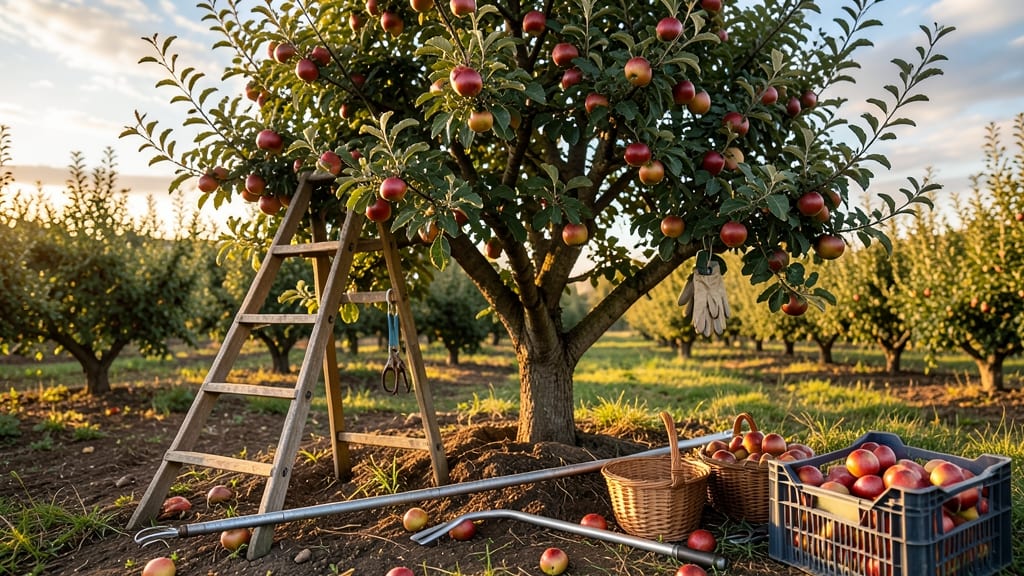
Harvesting your apple tree at the right time means the difference between sweet, juicy fruit and bland, mealy disappointment 🍎 — and most gardeners miss the window by weeks.
Picking too early means underripe apples that turn to mush in storage, while waiting too long risks frost damage or pests. The key is knowing the exact visual cues and variety-specific timing that guarantee peak flavor and texture.
In this guide, I’ll walk you through the 3 foolproof signs your apples are ready (no guesswork), how climate and variety affect harvest dates, and the common mistakes that ruin even the best apples.
Whether you’re a backyard grower or orchard manager, these tips will help you time your harvest perfectly for apples that taste like they came straight from the farmer’s market.

3 Exact visual signs your apples are perfectly ripe (with photos)
Harvesting apples at the right moment transforms your orchard into a treasure trove of flavor—when you miss the window, you end up with either hard, sour fruit or overripe mush.
The key lies in three science-backed visual cues that reveal peak ripeness. These signs work across common apple varieties like Fuji, Gala, and Granny Smith, ensuring you never guess again.
First, pay attention to the skin color. Apples develop their signature hues as they mature—think deep red blushes on Gala or golden-yellow tones on Golden Delicious. A fully colored apple isn’t just prettier; it signals optimal sugar development and flavor.
For green varieties like Granny Smith, the skin should be bright and vibrant, not dull or pale.
Next, perform the stem separation test, the most reliable indicator of ripeness. Gently twist the fruit while holding the stem—if it detaches cleanly with just a slight tug (not a hard pull), it’s ready.
A stem that resists or snaps back means the apple needs more time. This test works because it checks the cell wall breakdown that occurs as the fruit matures.
Don’t overlook the seed color, a hidden clue often ignored by home growers. Cut open an apple and look at the seeds: fully ripe seeds turn from white or translucent to brown or tan.
This change confirms the fruit’s internal chemistry has reached its peak. For variety-specific guidance, compare apples side by side using the table below.
Pro tip: Combine these visual cues with the time-of-day rule. Apples taste sweeter in the morning after overnight cooling, so harvest between 8 AM and 10 AM for the best flavor. Avoid picking after rain, as wet apples bruise easily and won’t store well.
If you’re growing heirloom varieties, note that their ripening times can vary by 1-2 weeks compared to commercial apples. For example, Jonathan apples often ripen later in the season, so monitor them closely.
Use a small harvest basket to avoid damaging the fruit, and always handle apples gently to preserve their crisp texture.
One common mistake is relying solely on apple size as a ripeness indicator. While apples do reach their full size before ripening, some varieties (like Pink Lady) continue to develop flavor long after they stop growing. Always cross-check with the stem separation test and seed color for accuracy.
For storage, place freshly harvested apples in a cool, dark place (like a root cellar or garage) where temperatures stay between 30-40°F. This slows ripening and keeps them fresh for 2-3 months.
If you notice apples softening too quickly, they were likely overripe at harvest—next time, pick them a few days earlier.
Mastering these three visual signs will turn your apple harvest from a gamble into a reliable, flavor-packed success. The next time you’re standing under your tree with a basket in hand, you’ll know exactly when to pluck that perfect apple—no guesswork required. 🍎
Apple harvest timing by variety: when to pick each type (chart included)
Not all apples ripen at the same time, and knowing the exact harvest window for your variety saves you from bitter disappointments. For example, Fuji apples need 4-5 more weeks on the tree than Granny Smith, yet many gardeners pick them together.
Climate zones also shift these timelines by weeks—soil temperatures in Zone 5 can delay harvest by 2-3 weeks compared to Zone 8.
To simplify, I’ve created a variety-specific chart with harvest ranges for popular apples, plus tips for adjusting to early or late seasons. Whether you’re growing Honeycrisp in Minnesota or Gala in California, these guidelines ensure you never miss peak ripeness.
| Variety | Harvest Month (USDA Zone 6a) | Climate Adjustments | Key Ripeness Cues |
|---|---|---|---|
| Fuji | Late September - Early October | Zone 7-8: 1-2 weeks earlier; Zone 5: 1-2 weeks later | Deep red, firm, stem detaches easily |
| Granny Smith | Mid-August - Late August | Zone 9-10: Can ripen by July; Zone 4: Delay until September | Bright green, glossy skin, slight give when pressed |
| Honeycrisp | Late September - Early October | Warmer zones: Harvest 10-14 days earlier | Yellow-red blush, crisp texture, sweet aroma |
| Gala | Mid-September - Late September | Cooler climates: Extend harvest into October | Striped red-yellow, firm but not hard |
| McIntosh | Early September - Mid-September | Short seasons: Prioritize early harvest to avoid frost | Red blush, softens slightly when ripe |
For early-season varieties like McIntosh, watch for the first frost forecast—these apples won’t improve after picking. Meanwhile, late-season types like Fuji can wait until after the first hard frost (below 28°F) to develop their signature sweetness.
Pro tip: If your apples aren’t fully colored by their expected harvest window, they may need more sunlight or balanced fertilizer applied in early summer.
Adjust your harvest timing by 1-2 weeks per zone: Subtract a week for every 2,000-foot elevation gain or move harvest dates 10 days earlier in warmer microclimates (like near bodies of water).
For example, a Gala tree in Zone 9 might be ready by mid-August, while the same variety in Zone 5 won’t peak until late September.
Once you’ve identified the right window, act quickly—apples can overripe on the tree within 3-5 days past peak ripeness. Store harvested fruit in a cool (32-40°F), humid (90%+) environment to extend freshness for months. For varieties like Honeycrisp, this means a root cellar or refrigerator crisper drawer.
Now that you’ve mastered the variety-specific harvest chart, your next challenge is avoiding common mistakes—like picking at the wrong time of day or ignoring weather forecasts. Stay tuned for my next section on 5 pitfalls that ruin apple harvests (and how to sidestep them every season). 🍏