
Picking
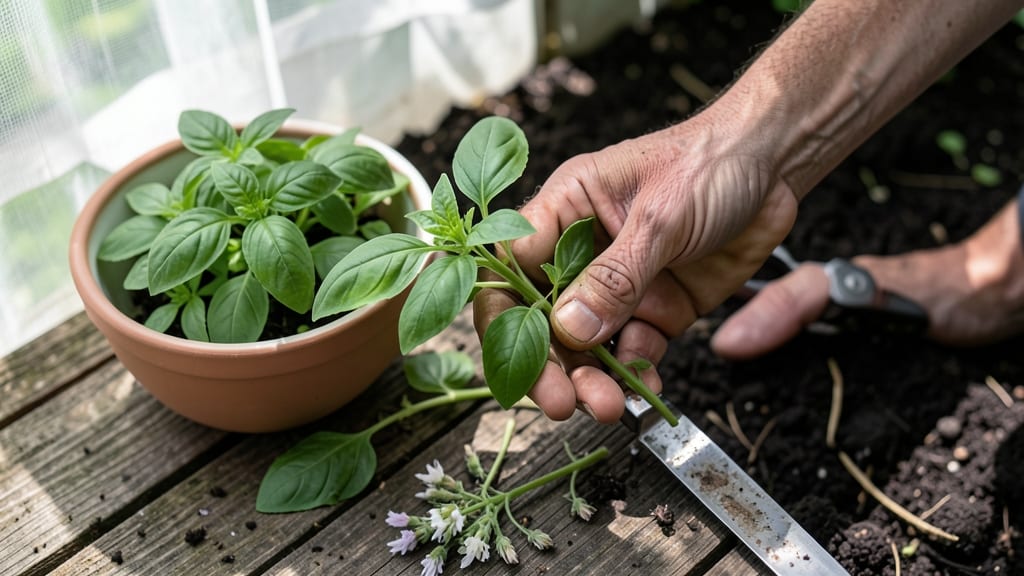
Harvesting basil at the right time means snapping stems easily for the boldest flavor—and skipping the harvest when it’s past its prime.
Picture this: you pinch a leaf, and it snaps cleanly, releasing that fresh, sweet aroma that makes your kitchen smell like a summer garden. That’s the moment you’ve been waiting for—when your 🌿 basil is at its peak.
But miss it, and you’re left with bitter, woody stems that ruin every dish.
Timing is everything, especially in Zone 6, where the growing season stretches from June to October. The key? Start harvesting 60–90 days after planting, when leaves are large, fragrant, and stems snap easily.
Below, I’ll show you exactly how to test readiness, how often to prune for continuous growth, and why morning harvests keep your basil tasting fresh all season long.
Whether you’re making pesto, garnishing pasta, or drying bundles for winter, knowing the perfect harvest window turns a handful of leaves into a game-changer for your cooking. Let’s get started.

When to harvest basil for maximum flavor and growth
Timing your basil harvest correctly is the difference between mild, wilted leaves and bold, aromatic basil that elevates every dish. Most gardeners start harvesting 30–60 days after planting, but the real secret lies in plant maturity and leaf development.
Waiting too long risks woody stems or flowering, while harvesting too early means missing peak flavor. Let’s break down the perfect harvest window and how to recognize it.
Your basil plant is ready for harvest when it’s 6–12 inches tall with dense foliage. Look for leaves 2–3 inches long—this is the ideal size for maximum flavor. The leaves should also be vibrant green, tender, and emit a strong, sweet aroma when crushed.
If your basil smells weak or lacks fragrance, it’s not yet at its peak.
Here’s the golden rule for harvesting: Stems should snap easily when bent between your fingers. This snap test is your best indicator of readiness. A crisp, clean break means the plant is storing energy in its leaves, not its stems.
If the stem bends without snapping or feels woody, wait a few more days. Overharvesting can stress your plant, leading to stunted growth or early flowering.
| Stage | Days After Planting | Leaf Size | Plant Height | Harvest Tip |
|---|---|---|---|---|
| Early Growth | 14–30 days | <1 inch | 3–6 inches | Avoid harvesting; focus on care |
| Prime Harvest | 30–60 days | 2–3 inches | 6–12 inches | Harvest outer leaves; stems snap easily |
| Mature Stage | 60–90 days | 3+ inches | 12–24 inches | Pinch flowers; harvest stems |
| Over-Mature | 90+ days | Large but tough | Tall, leggy | Flavor declines; prune aggressively |
Harvesting frequency is just as important as timing. Regular harvesting—every 2–3 weeks—encourages bushier growth by stimulating new leaf production. Always use clean, sharp scissors or your fingers to pinch above a leaf node (where leaves meet the stem). This promotes branching and prevents woody stems.
One common mistake is waiting until flowers appear. While basil flowers are beautiful, they signal the plant is shifting energy from leaves to seeds. This bolting process reduces flavor and leaf production.
To prevent it, pinch off flower buds as soon as they appear. This redirects the plant’s energy back to leaf growth, giving you weeks of continuous harvests.
Seasonal timing also plays a role. In Zone 6 climates, basil thrives from June to October, with peak harvests in July and August. Early morning is the best time to harvest—leaves are cool and hydrated, locking in flavor.
Avoid harvesting in the heat of the day, as leaves can wilt quickly under the sun.
For container-grown basil, harvest even more frequently—weekly—since pots limit root space and growth. If your basil starts looking leggy or sparse, it’s a sign you’re harvesting too aggressively.
Balance is key: never remove more than 1/3 of the plant in a single session. This ensures your basil keeps producing lush, flavorful leaves all season long.
Pro tip: Harvest in stages to prolong your basil’s productivity. Start with the outer leaves, then move inward as the plant matures. This method keeps the plant compact and healthy while maximizing your yield.
With the right timing and care, a single basil plant can provide months of harvests, making it one of the most rewarding herbs to grow.
🌿
How to test basil stems for perfect harvest readiness
Testing your basil stems is the fastest way to know when to harvest for peak flavor. The stem snap test reveals whether your plant is ready for cutting—or if you should wait.
Here’s how I do it: gently pinch a non-flowering stem between your thumb and forefinger, about 2 inches above a leaf node. If it snaps cleanly with a slight resistance, your basil is harvest-ready.
A good snap sounds crisp, like breaking a fresh celery stalk—not brittle or mushy. This means the stem is firm but flexible, packed with oil-rich leaves at their flavor peak.
If the stem bends instead of snapping, wait 3–5 days for it to mature further. This simple test saves you from harvesting bitter, woody stems that ruin dishes.
⚠️ callout-warning ⚠️
Never remove more than 1/3 of the plant in one session. Over-harvesting stresses basil, leading to woody stems and slow regrowth. In Zone 6, where summer heat accelerates growth, I harvest every 7–10 days to maintain bushy, flavorful plants. Adjust frequency in cooler months (spring/fall) to every 10–14 days.
Seasonal growth patterns change how often you should test stems. In June–July, basil grows aggressively in Zone 6, so I perform the snap test 2–3 times weekly to stay ahead of flowering. By August–September, growth slows as days shorten, so I reduce testing to once weekly and focus on preserving what’s there.
Woody stems or slow regrowth? You’re likely harvesting too aggressively or missing key care steps. First, check your watering schedule—basil needs consistent moisture (1–2 cups per plant daily in heat).
Next, ensure your plant gets 6+ hours of sun and a balanced fertilizer (10-10-10) every 4–6 weeks. If stems still harden, prune back by 1/2 to encourage new growth.
For continuous harvests, always cut stems just above a leaf node (where leaves meet the stem). This encourages lateral branching, giving you more leaves to test and harvest. In my garden, I use this method to keep basil productive from June through October, even as temperatures drop.
The key is patience—wait for that perfect snap before cutting.
Pro tip: Harvest in the morning after dew evaporates. Leaves are driest, making the snap test more accurate, and flavors are most concentrated. Store harvested basil in a glass of water in the fridge to mimic stem freshness until you’re ready to use it.
This trick keeps basil tasting like it just came from your garden!