
Vegetables
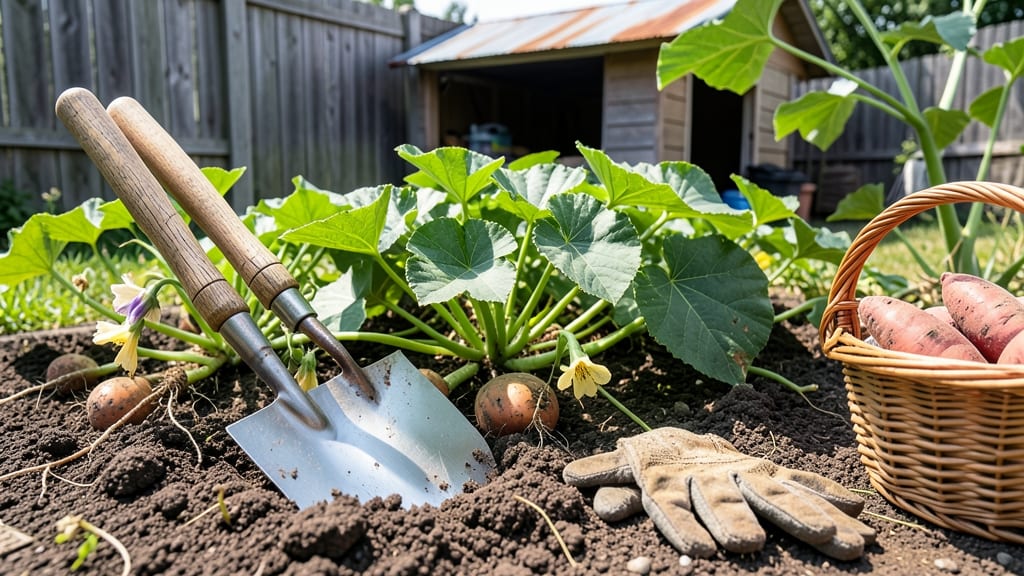
Harvesting sweet potatoes in Florida at the right time means the difference between a small, starchy yield and a bountiful crop of sweet, flavorful tubers 🍠.
Sweet potatoes thrive in Florida’s warm climate—but timing their harvest wrong can mean smaller yields or even lost crops. Knowing exactly when to dig these nutritious tubers is the secret to a bountiful harvest, whether you're growing them in sandy soil or raised beds.
Most Florida varieties like Beauregard and Jewel take 90 to 140 days to mature, but don’t wait until the first frost (which rarely happens here). Instead, watch for yellowing leaves and vines that start to die back—these are your clearest signs that the tubers are ready.
In this guide, I’ll walk you through the best months to harvest, how to tell when your sweet potatoes are truly ready, and how to store them properly to keep them fresh for months. Let’s make sure your hard work pays off!


Optimal harvest timing for Florida sweet potatoes based on variety and weather
Florida’s frost-free growing season gives sweet potatoes a 90-120 day advantage over northern states, but timing your harvest still requires careful attention. The key is balancing variety maturity with regional climate shifts, especially when summer heat transitions to fall.
In North Florida, cooler nights arrive earlier, while South Florida’s tropical warmth extends the growing window by 2-4 weeks.
Most Florida gardeners plant sweet potato slips between March and May for a fall harvest, but Beauregard (the state’s favorite) and Jewel varieties mature at slightly different rates.
Heatwaves can accelerate growth by 10-15 days, while early cold snaps in North Florida may force harvests 2-3 weeks sooner than expected. Understanding these regional nuances ensures you don’t miss peak harvest windows.
📅 Regional Harvest Windows: North Florida (Panhandle): Late September to mid-November | Central Florida: Mid-October to December | South Florida: November to January.
If you’re growing Beauregard or Jewel varieties, aim to harvest between 90-110 days after planting slips.
For Covington (a favorite in North Florida), extend your timeline to 110-130 days to account for cooler fall temperatures. Georgia Jet, the fastest-maturing option, should be harvested by late September to avoid heat stress.
Watch for early warning signs like vine yellowing or leaf drop—these indicate the plant is redirecting energy to tuber development. In South Florida’s warmer zones, you can push harvests into December or even January if vines remain green, but tubers may lose sweetness if left too long.
Always prioritize skin firmness over size; smaller, firm sweet potatoes are often sweeter than oversized, waterlogged ones.
Heatwaves during summer can accelerate maturity by 10-20 days, while early cold snaps in North
How to tell when sweet potatoes are ready: 5 key signs to check before digging
Sweet potatoes in Florida don’t follow the same rules as northern states—no frost to signal harvest time! Instead, you’ll need to rely on plant maturity cues and environmental factors.
The key is catching them at peak sweetness (90-140 days after planting) before they become woody or start rotting in Florida’s humidity.
Harvesting too early means small, starchy tubers. Waiting too long risks over-mature roots that crack or spoil. I’ve learned the hard way—last year, I missed the window and ended up with a pile of shriveled sweet potatoes!
Let’s avoid that together by mastering these 5 foolproof signs your crop is ready.
Watch for yellowing leaves that start at the bottom and work upward. When 70-80% of foliage turns golden-brown and crispy, your tubers are likely ready. This usually happens 2-4 weeks before full vine dieback.
Florida’s heat accelerates vine decline. When vines yellow and collapse (but aren’t yet mushy), it’s time to harvest. Wait too long, and the vines will turn black and rot, signaling the tubers may have spoiled too.
Aim for 100-300g tubers (about the size of a tennis ball). Dig up a few to check—if they’re smaller than a golf ball, wait 1-2 weeks. Oversized tubers (bigger than a baseball) may be woody and less sweet.
Pro tip: Test tuber readiness by gently pressing your thumbnail into the skin. If it doesn’t puncture easily and feels firm, they’re ready. Soft spots mean they’re still growing, while hard, unyielding skin signals over-maturity. Florida’s sandy soil can make this trick trickier, so always double-check with the other signs.
Common mistakes Florida gardeners make include harvesting based on calendar dates (like "after Labor Day") or ignoring regional heat variations. South Florida’s longer growing season may delay harvest by 2-3 weeks compared to North Florida.
Always prioritize plant signals over assumptions—your crop will thank you with sweeter, more abundant tubers!
Once you’ve confirmed readiness, harvest on a dry, sunny morning to prevent soil-borne diseases. Use a fork to gently loosen the soil around the vines, then pull the tubers free by hand. Handle them carefully—they bruise easily, which shortens storage life in Florida’s humid climate. 🍠