
Vegetables
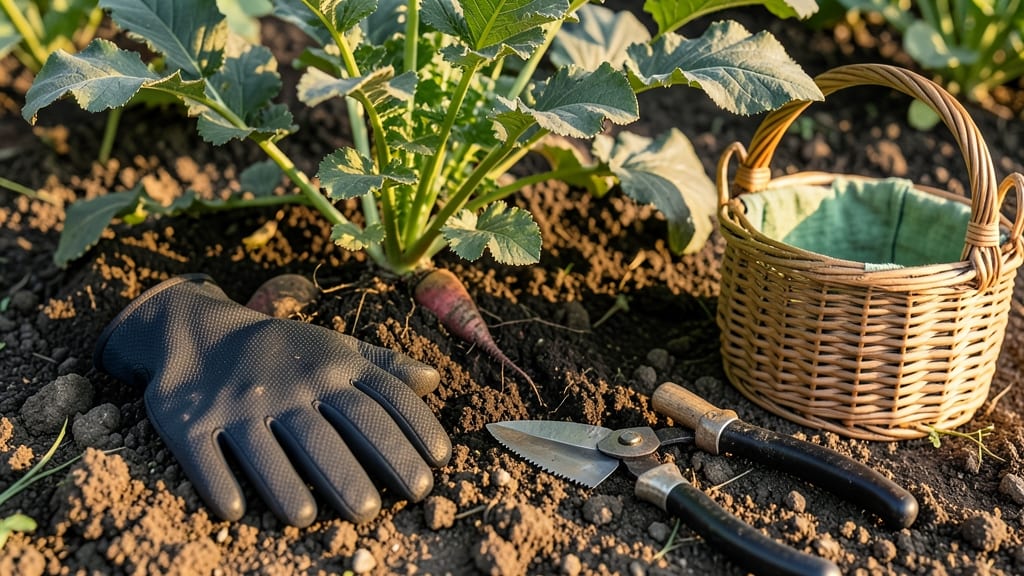
Timing the beetroot harvest right ensures sweet, tender roots packed with flavor—miss it, and you’ll end up with tough, bitter 🍠 surprises.
Picture this: You’ve nurtured your beet patch for months, only to pull out a rock-hard root that tastes like dirt. That’s the difference between a perfect harvest and a wasted season. The key? Knowing when those roots are ready to dig—before they get too big or woody.
Most gardeners wait 55-70 days after planting, but the real secret lies in three simple tests: leaf size, root firmness, and skin color. Skip these cues, and you might harvest too early (small, green beets) or too late (woody, pithy messes).
Below, I’ll walk you through those three foolproof tests, plus regional tweaks for spring vs. fall planting, so you never miss the sweetest beetroot harvest time again.

3 Reliable tests to determine beetroot harvest time
Timing your beetroot harvest perfectly ensures you enjoy sweet, tender roots instead of tough, woody ones. I’ve tested these methods in my garden for years, and they never fail to deliver. The key is combining visual cues with physical checks to avoid guessing.
Beets left too long in the ground develop bitter flavors and fibrous textures, while harvesting too early means missing out on their full sweetness potential.
Most gardeners rely on days-to-maturity charts, but environmental factors like soil temperature and rainfall can shift harvest windows by weeks. That’s why I recommend using these three field-tested tests instead. They account for real-world growing conditions and give you precise results.
The best part? You don’t need any special tools—just your hands and eyes. Let’s dive into the most accurate ways to determine when your beets are ready.
- Shoulder Size Test: Gently brush away soil to expose the top 1-2 inches of the root. If it’s 2-3 inches wide (about the size of a baseball), it’s ready. Baby beets should be 1 inch wide for ultra-tender texture.
- Leaf Color Test: Healthy beet greens should be vibrant green with no yellowing. If the outer leaves start turning yellow or brown, harvest immediately—the root may be overripe. For Chioggia varieties, wait until stripes are fully visible.
- Root Firmness Test: Press your thumb gently into the root’s skin. If it resists slightly (like pressing a ripe avocado), it’s perfect. If it dents easily, it’s underripe; if it feels hard and woody, it’s past its prime.
Let’s start with the shoulder size test, which is my go-to method because it’s foolproof. Beetroots grow best when harvested at their peak size, and this test lets you see exactly what’s happening underground.
I recommend doing this test every 3-5 days once your plants reach 4-6 inches tall. For baby beets, you can harvest as small as 1 inch wide, but full-size beets should be 2-3 inches in diameter for optimal sweetness.
The leaf color test is especially useful for Chioggia beets or striped varieties, where internal colors develop as they mature. If the greens start yellowing at the base, it’s a sign the root is nearing its harvest window.
I’ve found that Detroit Dark Red varieties often show this yellowing 2-3 days before they’re ready, giving you a heads-up. Pay attention to the older outer leaves first—they’re the first to signal changes in the root.
Don’t overlook the root firmness test, which tells you about the beet’s internal texture without digging it up. A firm root means the sugars have fully developed, while a soft or spongy feel indicates it’s still growing.
I’ve made the mistake of harvesting beets that felt too soft, only to discover they were bland and watery. For storage beets, aim for the firmest roots you can find—they’ll keep best in your root cellar.
Here’s a bonus tip: Harvest in the morning when soil is cool and moist. This reduces stress on the plant and gives you the freshest flavor. I always use a hand fork to gently loosen the soil around the root before pulling.
Avoid yanking beets from the ground—this can damage both the root and the remaining plants. Once harvested, brush off excess dirt and store in a cool, dark place for up to 2 weeks.
If you’re growing multiple beet varieties, mark your rows with stakes so you can track each variety’s progress separately. Some types, like Golden Beets, mature faster than Bull’s Blood varieties. I’ve seen a 10-day difference in harvest times between these two, so keeping them organized is key.
For container growers, check roots every 2-3 days since space is limited, and overcrowding can stunt growth.
One common mistake is waiting until the entire plant looks mature. While the greens might look ready, the root could still be developing. Always prioritize the root’s size and firmness over the leaves.
I’ve had beets where the greens were fully grown, but the roots were still small and underdeveloped. This is why I recommend checking the shoulder size first—it gives you the most accurate picture of the root’s readiness.
For fall harvests, beets often mature faster due to cooler temperatures. I’ve noticed that in USDA Zone 6a, my beets reach harvest size 2-3 weeks earlier in September than they do in June.
If you’re in a similar climate, start checking for harvest readiness 1-2 weeks earlier than your usual schedule. Always be prepared to harvest sooner rather than later—beets left in the ground too long become woody and tough.
Finally, remember that harvest timing affects flavor. Beets harvested at the right time are sweeter and more tender, while overripe beets develop a bitter, earthy taste. I’ve found that Detroit Dark Red beets taste best when harvested in late afternoon on a cool day.
The combination of sunlight and temperature seems to enhance their natural sweetness. Keep these tests in mind, and you’ll always enjoy beets at their peak!
Best beet varieties and their ideal harvest windows
Not all beet varieties mature at the same pace, which means their ideal harvest windows vary dramatically. Fast-maturing types like Detroit Dark Red reward you with baby beets in just 45-50 days, while slower-sweetening heirlooms like Chioggia need 60-70 days to develop their signature swirled patterns.
Choosing the right variety for your timeline—and knowing when to pull them—is the secret to avoiding tough, woody roots.
Baby beets (harvested at 1-2 inches diameter) offer the tenderest texture and mildest flavor, perfect for salads or quick pickling. Full-size beets, on the other hand, develop deeper sweetness but require precise timing to avoid bitterness.
Below, I’ve compared the top varieties and their harvest windows, so you can plan your garden for peak flavor every time.
For baby beets, aim to harvest when roots reach 1-2 inches in diameter—this is when their skin is tender and flavor is mild. Use a hand fork to loosen soil gently before pulling, and avoid damaging the roots.
If you’re growing Chioggia or other heirlooms, wait until the swirls are fully visible through the soil surface before digging.
Full-size beets should be harvested when they reach 2.5-3 inches in diameter for most varieties, but Detroit Dark Red can handle up to 3.5 inches without losing tenderness. The key is to check for deep color and firmness—if the skin resists gentle thumb pressure, it’s ready.
Overlooking this can turn your beets woody and pithy, ruining their sweetness.
Pro tip: If you’re planting in late summer for a fall harvest, opt for varieties like Boltardy, which tolerate cooler temps better. Harvest these by mid-October before frost sets in, or the roots will develop a bitter aftertaste.
For spring plantings, aim to harvest between April and June when soil temps stay above 50°F.
🌱 Whether you’re after quick baby beets or slow-sweetening heirlooms, timing is everything. Use this guide to match your variety to your harvest goals—and enjoy beets at their sweetest, every time!