
Vegetables
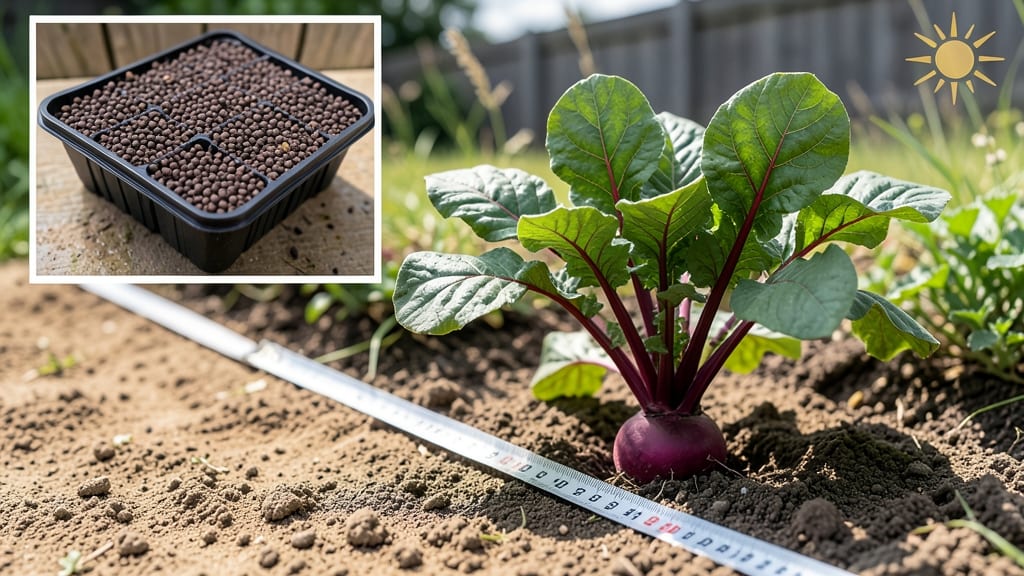
Harvesting beetroot from seed to a crisp, vibrant 🥕 takes just 50–70 days—if you time it right.
Picture this: you plant your seeds in early spring, and by summer, you’re pulling out tender roots fresh from the garden. But miss the window, and you’ll end up with tough, woody beets that taste like disappointment.
The key is knowing exactly when to plant, how to care for them, and when to harvest for the best flavor.
In this guide, I’ll walk you through the 90-day calendar for growing beetroot from seed to harvest, including when to expect your first baby beets and how to keep your plants thriving.
Whether you’re a beginner or a seasoned gardener, these tips will help you plan your garden for a steady supply of homegrown goodness.
You’ll also learn how to speed up growth, choose the right varieties for your climate, and avoid common mistakes that can delay your harvest. Let’s get started!

Beetroot seed to harvest timeline: week-by-week breakdown for optimal growth
Beetroot thrives on consistency, and understanding its 90-day growth cycle lets you plan for perfect harvests. From seed germination to harvest-ready roots, each stage demands attention to soil, water, and sunlight.
This week-by-week guide ensures you never miss a critical milestone—like thinning seedlings or preventing bolting—so you enjoy crisp, vibrant beets at their peak.
Starting with seed sowing in early spring (or late summer for fall harvests), your beetroot journey hinges on precise timing. The first 4-6 weeks focus on germination and seedling care, while weeks 7-12 shift to soil enrichment and pest control.
By week 13-15, you’ll be harvesting baby beets, and by week 16-20, mature roots. Let’s break it down to avoid common pitfalls like overcrowding or nutrient deficiencies.
| Week | Stage | Key Actions | Notes |
|---|---|---|---|
| 1-2 | Germination | Sow seeds ½ inch deep, keep soil moist (60-70°F). | Germinates in 7-14 days; avoid disturbing soil. |
| 3-4 | Seedling Emergence | Thin to 2 inches apart; provide 6+ hours sunlight. | Use scissors to avoid disturbing roots. |
| 5-6 | Early Growth | Thin again to 3-4 inches; add compost. | Prevents competition; roots need space. |
| 7-8 | Active Growth | Water deeply 2x/week; monitor pests. | Aphids and flea beetles target young leaves. |
| 9-10 | Bolting Prevention | Mulch to retain moisture; avoid over-fertilizing. | Heat stress causes premature flowering. |
| 11-12 | Harvest Readiness | Check root size (1-3 inches); harvest baby beets. | Use garden fork to loosen soil before pulling. |
| 13-15 | Mature Harvest | Pull roots when tops wilt slightly; store in cool, dark place. | Woody roots indicate over-maturity. |
Week 1-2 is all about patience—your seeds need consistent moisture and warm soil (60-70°F) to germinate. Plant in loose, well-draining soil and avoid compacting it afterward.
If you’re sowing in containers, use a mix of potting soil and compost to improve drainage. Direct sowing is best; beetroot seedlings transplant poorly.
By week 3-4, your seedlings will emerge, but they’ll be crowded. Thin them to 2 inches apart using clean scissors to avoid disturbing roots. This step is crucial—overcrowding leads to small, misshapen roots.
If you’re growing baby beets, you can skip thinning entirely and harvest when leaves are 2-3 inches wide.
Weeks 5-6
How to accelerate beetroot growth: pro tips for faster harvests
Want to cut your beetroot seed to harvest time from 90 days to just 60? It’s possible with the right strategies. The secret lies in optimizing your growing conditions—think soil prep, watering discipline, and smart companion planting.
I’ve grown beets for years, and these pro tips have helped me consistently harvest tender roots weeks earlier than average.
First, let’s tackle the biggest time-wasters: poor soil and inconsistent moisture. Beetroots are heavy feeders that need loose, nutrient-rich soil to grow quickly. If your soil is compacted or lacks organic matter, your plants will struggle to develop strong roots.
Amending with compost or aged manure before planting can shave 10–14 days off your harvest timeline.
Here’s what you must do to speed up growth:
- 1 Plant in full sun (6+ hours daily) to maximize photosynthesis. Shade slows growth by 20%. Use reflective mulch if your garden lacks direct sunlight.
- 2 Water deeply 2–3 times per week, aiming for 1 inch of moisture. Drought stress stunts roots, while overwatering causes rot. Use a drip irrigation system for consistency.
- 3 Thin seedlings early to 3–4 inches apart. Crowded plants compete for nutrients, delaying maturity by 3+ weeks. Harvest thinned seedlings as baby greens for bonus yield!
- 4 Use companion plants like lettuce or radishes to shade soil and retain moisture. Avoid planting near pole beans, which compete for nutrients and slow growth.
- 5 Fertilize lightly at planting with a 5-10-10 balanced fertilizer. Over-fertilizing leads to leafy growth at the expense of root development. Stop fertilizing 4 weeks before harvest to prevent woody texture.
One mistake I see often is overwatering after germination. While young seedlings need moisture, soggy soil invites disease and weakens roots. Instead, water deeply but infrequently—aim for 1 inch per week—and always in the morning to reduce evaporation.
This keeps your plants healthy and on track for a 60-day harvest.
For the fastest results, choose early-maturing varieties like Detroit Dark Red (58 days) or Babybeat (45 days). These types prioritize root growth over foliage, giving you edible beets weeks before slower varieties.
If you’re in a short growing season, start seeds indoors 4–6 weeks before your last frost date and transplant seedlings outdoors for a head start.
Finally, watch for bolting—when beets send up flower stalks. Heat stress or uneven watering triggers this, turning your sweet roots bitter. Mulch with straw or grass clippings to keep soil temps stable and moisture levels even.
With these tweaks, you’ll enjoy crisp, tender beets in half the time—no patience required! 🥕