
Vegetables
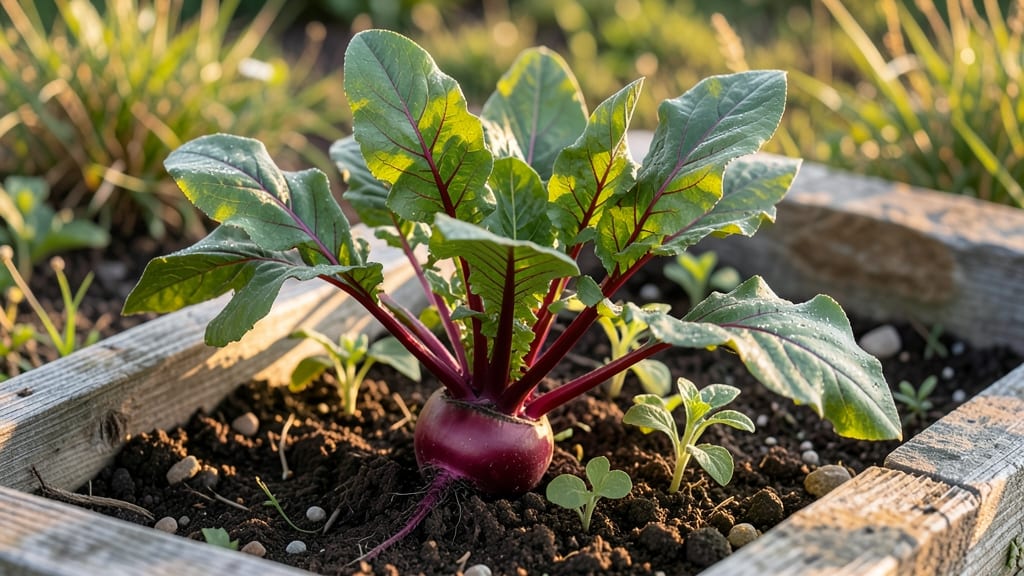
Growing beets from seed to harvest time takes between 60 and 90 days, depending on the variety and your climate—but getting it right means knowing the exact timeline for your garden.
Picture this: You’ve just scattered those tiny, slow-to-germinate beet seeds, and now you’re waiting, wondering if you’ll ever see those deep red roots. The truth?
Some varieties like Detroit Dark Red mature in as little as 55 days, while heirlooms like Chioggia can take nearly three months to reach their full potential.
Climate plays a huge role, too—cool spring nights in Zone 5 might speed up germination, while the heat of Zone 9 can slow it down. Throw in soil prep, watering quirks, and the risk of bolting, and suddenly, your harvest window feels like a moving target.
In this guide, I’ll break down the exact days for 10 popular beet varieties, how to adjust for your zone, and the pro tips that’ll help you pull those perfect roots right on time—no guesswork.

Beet seed to harvest time by variety: exact days for 10 popular types
Beets are one of the most rewarding vegetables to grow, offering both nutrient-rich roots and edible greens. But if you're planning your garden, knowing the exact days to maturity for each variety helps you schedule plantings and harvests like a pro.
From tiny baby beets to heirloom storage varieties, the timeline varies dramatically—some are ready in just 45 days, while others take 90 days or more.
Below, I’ve broken down the seed-to-harvest timeline for 10 popular beet varieties, including when you can expect leafy greens to be edible and when the roots reach their full potential. I’ve also included tips for adjusting your harvest window based on your climate and growing goals.
| Variety | Days to Root Maturity | Days to Edible Greens | Root Size | Best For | |||||||||||||||||||||||||||
|---|---|---|---|---|---|---|---|---|---|---|---|---|---|---|---|---|---|---|---|---|---|---|---|---|---|---|---|---|---|---|---|
| Detroit Dark Red | 58-65 days | 30-40 days | Medium (2-3") | Storage, roasting | |||||||||||||||||||||||||||
| Chioggia (Candy Stripe) | 60-70 days | 35-45 days | Small (1.5-2") | Salads, pickling | |||||||||||||||||||||||||||
| Golden Beet | 55-60 days | 28-35 days | Medium (2-3") | Raw eating, juicing | |||||||||||||||||||||||||||
| Baby Beet (Little Ball) | 45-50 days | 25-30 days | Tiny (1-1.5") | Quick harvests, snacks | |||||||||||||||||||||||||||
| Bull's Blood | 60-70 days | 35-45 days | Large (3-4") | Long storage | |||||||||||||||||||||||||||
| Red Ace | 55-60 days | 30-40 days | Medium (2-3") | Canning, freezing | |||||||||||||||||||||||||||
| Albina Vereduna (White) | 65-75 days | 40-50 days | Large (3-4") | Boiling, soups | |||||||||||||||||||||||||||
| Detroit Meridian | 60-70 days | 35-45 days | Medium (2-3") | Storage, roasting | |||||||||||||||||||||||||||
| Ruby Queen | 55-65 days |
| USDA Zone | Avg. Germination (Days) | Seed-to-Harvest (Days) | Bolting Risk | Pro Tip |
|---|---|---|---|---|
| Zone 3 | 10–14 | 60–75 | Low (cool nights) | Use row covers for faster soil warming |
| Zone 5 | 7–10 | 55–70 | Moderate (spring/fall) | Plant early spring or late summer |
| Zone 7 | 14–21 | 65–80 | High (summer heat) | Shade cloth for seedlings |
| Zone 9 | 21–28 | 70–90 | Very High | Fall planting only; mulch heavily |
| Zone 10 | 14–21 | 75–90 | Moderate (winter) | Winter sow for spring harvest |
In Zone 3, I’ve seen Detroit Dark Red beets mature in just 58 days when planted under black plastic mulch to warm the soil. Meanwhile, in Zone 9, even heat-tolerant Boltardy varieties can stretch harvests to 90 days if planted in peak summer.
For extreme climates, adjust your timeline with these tricks: In Zone 4, extend seasons by planting under cold frames; in Zone 10, use shade nets to prevent bolting.
Always check your last frost date—planting too early in Zone 6 can leave seeds rotting in cold soil.
Pro tip: Succession plant every 2 weeks in Zones 5–8 for a continuous harvest. And if your beets bolt too soon? Blame the day-length sensitivity—long summer days trigger flowering. Use light deprivation techniques (like row covers) to delay it.