
Picking
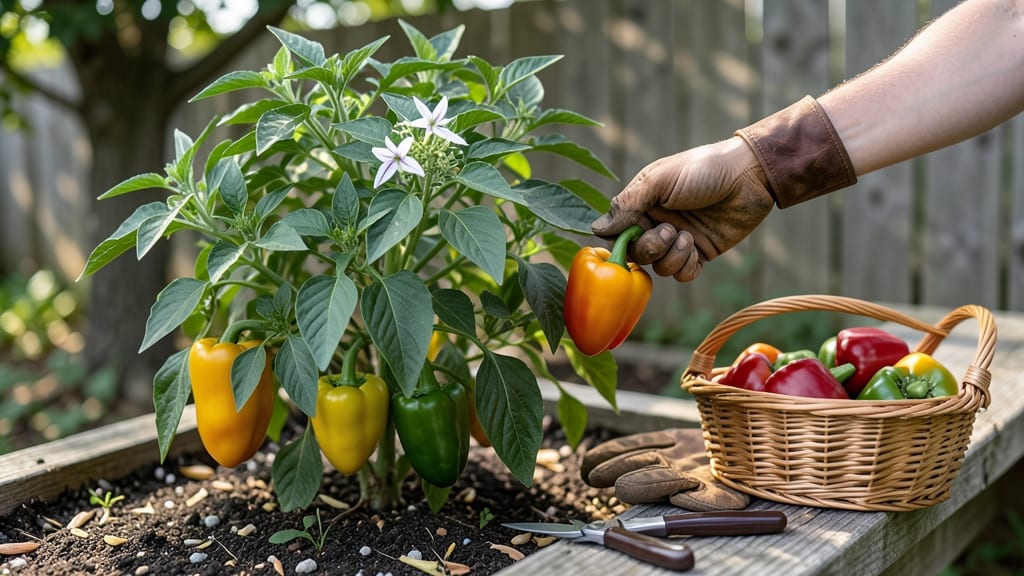
Harvesting bell peppers at the right time means the difference between sweet, vibrant 🌶️ flavors and bland, tough walls.
Picture this: you’ve nurtured your plants all season, but when you finally pick those peppers, they’re either too hard or too soft—missing that perfect snap and sweetness.
The key? Two simple cues: a color shift from green to deep, rich hues and a stem that twists with just a gentle tug.
Timing matters more than you might think. In USDA Zone 6a, bell peppers typically mature between July and October, but heat waves or cool snaps can throw off the schedule. Missing the window means wasted effort—and nobody wants that.
Below, I’ll show you how to spot the exact moment your peppers are ready, from color guides to the twist test, so you can enjoy a harvest that’s as rewarding as it is delicious.


When to harvest bell peppers: color shift guide by variety
Bell peppers transform from green to vibrant reds, yellows, or oranges as they mature, but not all varieties follow the same timeline. The color shift isn't just about aesthetics—it signals sweetness and peak ripeness.
For example, a red bell pepper can be 3x sweeter than its green counterpart, while jalapeños stay spicy regardless of color. Understanding these shifts ensures you harvest at the perfect moment for flavor and texture.
Most gardeners focus on bell peppers and jalapeños, but varieties like banana peppers and shishito peppers also change color. The key is recognizing when the pepper’s stem end fully transitions to its mature hue—no more green!
This guide breaks down harvest timing by color and variety, so you can pick peppers at their sweetest or spiciest potential.
🌶️ Pro Tip: Harvest in the morning when peppers are cool and crisp. Use clean, sharp pruning shears to avoid damaging the plant, and leave 1/4 inch of stem attached to preserve shelf life.
For bell peppers, the green stage is often harvested first because they’re crisp and firm, but they lack the sweetness of fully ripened colors. If you’re growing red bell peppers, wait until the entire pepper—including the stem end—turns deep red.
This can take 2-3 weeks longer than the green stage but is worth the wait for that caramel-like flavor.
Yellow and orange bell peppers are often overlooked, but they offer a unique balance of sweetness and mild tang. These varieties typically ripen 1-2 weeks before red and are perfect for stuffing or grilling. If you’re short on time, harvesting at the yellow stage still yields a better flavor than green.
With jalapeños, color changes matter less for spice levels but can affect texture. Green jalapeños are firmer and crunchier, while red jalapeños soften slightly and develop a s
The stem twist test: how to pick bell peppers at peak ripeness
Bell peppers are ready to harvest when they pass the stem twist test, a simple but foolproof method to determine peak ripeness. Unlike color alone—which can vary by variety—this test reveals the pepper's internal sweetness and structural integrity.
I’ve used this trick for years, and it’s saved me from picking peppers that were either too tough or too mushy.
The twist test works because a ripe pepper’s stem detaches cleanly when twisted, signaling the plant has fully transferred nutrients to the fruit. This means maximum flavor and crisp texture.
But here’s the catch: if the stem resists or snaps with a fibrous pull, the pepper isn’t ready yet—or worse, it’s overripe.
🚨
A stem that doesn’t twist or snaps with resistance means the pepper is past its prime. Overripe peppers develop leathery skin, seeds that sprout, and a bitter, mealy texture. Harvest before this happens—usually within 2-3 days of the twist test passing.
To perform the test, grasp the pepper’s stem between your thumb and forefinger, then twist gently but firmly. A ripe pepper will separate with a slight popping sound and a clean break.
If the stem stretches or tears, the pepper needs more time on the vine. Pro tip: Test multiple peppers on the same plant—they often ripen at different rates.
Timing matters most in USDA Zone 6a, where summer heat can speed up ripening. I’ve seen peppers go from green to red in just 10 days during heatwaves, so check stems every 2-3 days once they near maturity.
For green bell peppers, harvest when the stem twists easily and the pepper is firm—color isn’t the best indicator here.
If you miss the twist test window, don’t panic. Unripe peppers can still be used in cooking, but their flavor will be milder and less sweet. Overripe ones?
Toss them—they’re inedible. The twist test isn’t just about flavor; it’s about preserving your harvest’s quality and ensuring every bite is as vibrant as your garden.
Once you master this trick, you’ll never second-guess your bell pepper harvest again. Grab a pepper, give it a twist, and let the plant tell you when it’s ready. Your taste buds—and your dinner table—will thank you. 🌶️