
How To
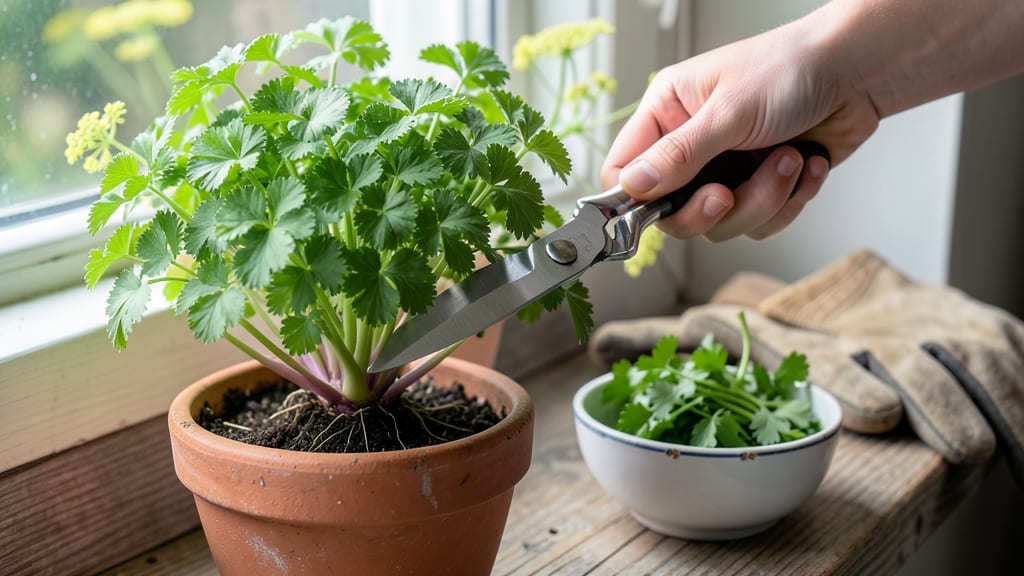
Harvesting parsley at the right time and in the right way ensures your 🌿 parsley stays flavorful and keeps growing back stronger than ever.
Picture this: you snip a few stems, only to watch your parsley turn sparse and leggy over the next few weeks. That’s not just a missed harvest—it’s a lesson in how delicate this herb can be.
The key to avoiding this frustration? Cutting at the base, never the top, and timing your harvests just right.
Why does this matter? Because parsley isn’t just a garnish—it’s a powerhouse of flavor that deserves to be treated right. A single wrong snip can send your plant into a decline, but the right technique keeps it lush, productive, and ready for your kitchen all season long.
In this guide, you’ll discover the best way to harvest parsley—when to do it, how to do it, and even how to store what you’ve picked so it stays fresh longer. No more guesswork, just a steady supply of vibrant, homegrown parsley.


How to harvest parsley for maximum regrowth and flavor
Harvesting parsley the right way transforms a single plant into a year-round herb source. The key lies in timing and cutting technique—both critical for maintaining a flavorful, bushy plant that keeps producing.
Unlike many herbs, parsley responds poorly to aggressive harvesting, so precision matters. I’ve learned that even a small mistake can stunt growth or trigger bolting, turning your parsley into a bitter, flowering mess.
For the best flavor, harvest parsley when leaves reach 4-6 inches tall and the plant has at least 6-8 mature leaves.
This ensures you’re taking only what you need without stressing the plant. Flat-leaf parsley tends to regrow faster than curly varieties, but both benefit from the same careful approach. The secret? Always cut stems at the base—never the top—and use clean, sharp tools to avoid damaging the plant.
🌿 Best Way to Harvest Parsley: Step-by-Step
-
Step 1: Choose the Right Time
Harvest in the morning after dew has dried but before midday heat. This preserves oil content (flavor compounds) and reduces stress. -
Step 2: Select Mature Stems
Pick stems with 4-6 inches of growth and at least 3-4 leaves. Avoid cutting stems with flower buds—this triggers bolting. -
Step 3: Use Sharp Scissors or Pruners
Never tear leaves—use clean, sharp tools to make a 45-degree angle cut just above a leaf node (where new growth emerges). -
Step 4: Cut at the Base (Not the Top)
Snip stems 1-2 inches above the soil line to encourage new side shoots. Top snipping removes growth points and stunts regrowth. -
Step 5: Never Take More Than 1/3
Remove no more than 30% of the plant at once. Over-harvesting weakens roots and reduces future yields by up to 50%. -
Step 6: Water and Fertilize After Harvesting
Give the plant 1 cup of water and a light fertilizer (5-10-10) within 24 hours to support recovery.
💡 Pro Tip: Label your parsley plants if you grow multiple varieties—flat-leaf and curly parsley have different regrowth rates and flavor profiles.
One of the biggest mistakes I see is harvesting parsley too early or too late. If you pick leaves when they’re still small (2 inches), the plant struggles to recover. Conversely, waiting until it flowers (bolting) turns the leaves bitter and woody.
The ideal window is when leaves are fully developed but before the plant puts energy into flowering—usually 60-75 days after planting.
Your tools matter just as much as your technique. Dull scissors crush stems, inviting disease, while clean pruners make precise cuts that heal faster. I keep a small pair of bypass pruners (not anvil-type) dedicated solely to herbs to prevent cross-contamination.
After each use, I wipe them with rubbing alcohol to kill bacteria and fungi that could infect your parsley.
After harvesting, parsley often needs a little extra care to bounce back. I’ve found that mulching around the base with compost retains moisture and encourages root growth. For container-grown parsley, a weekly foliar spray with seaweed extract (diluted to 1 tbsp per gallon) boosts regrowth by 20-30%.
This is especially helpful in hot climates, where parsley can become stressed.
Seasonal adjustments are key to long-term success. In spring and fall, when temperatures are mild, parsley regrows quickly—sometimes within 2-3 weeks after harvesting. But in summer heat, growth slows, and I reduce harvesting frequency to every 4-6 weeks to avoid shocking the plant.
If your parsley starts looking leggy or sparse, it’s a sign to cut back on harvesting until cooler weather returns.
Storage plays a role in flavor too. Freshly harvested parsley loses up to 40% of its volatile oils (the compounds responsible for flavor) within 48 hours if stored improperly.
To preserve flavor, wrap stems in a damp paper towel, place them in a sealed plastic bag, and store them in the crisper drawer of your fridge. For long-term use, freeze leaves in ice cube trays with water or olive oil to preserve their aroma.
If your parsley starts bolting (sending up flower stalks), don’t panic—it’s not the end. Simply cut back the flower stalks at the base, and the plant may produce new leaves. However, the flavor will never be as vibrant as pre-bolting parsley.
To prevent bolting, keep your plant in partial shade during hot afternoons and ensure it gets consistent moisture. Overly dry or hot conditions are the primary triggers for bolting.
With the right approach, a single parsley plant can provide continuous harvests for 2-3 years. The key is patience and consistency—never rush the plant, and always prioritize regrowth over immediate yield.
My most productive parsley patch is a 3-foot square with 9 plants spaced 6 inches apart, harvested every 3-4 weeks throughout the growing season. This setup gives me enough for cooking, garnishes, and even sharing with neighbors.
Parsley harvesting mistakes that kill your plant (and how to avoid them)
Even experienced gardeners can accidentally stunt their parsley’s growth with a few simple harvesting mistakes. The most common? Cutting stems too short or harvesting too aggressively. When you snip parsley at the wrong spot, you’re not just reducing your yield—you’re signaling the plant to slow down its regrowth, sometimes permanently.
Another silent killer is harvesting at the wrong time of year. Parsley grown in hot climates often bolts (goes to seed) if left unchecked, turning bitter and useless. Even in cooler zones, harvesting too early or too late in the season can leave your plant weak and vulnerable to pests.
The key is patience and precision—both in timing and technique.
⚠️ Biggest Mistake: Cutting Stems Too Short
Never trim parsley more than one-third of its height at once. Cutting too close to the base removes the plant’s energy source and stunts future growth. Always leave at least 2-3 inches of stem above the soil to ensure regrowth.
✅ Do: Snip outer stems at a 45-degree angle, 1-2 inches above a leaf node.
❌ Avoid: Shearing the top like a hedge—this stresses the plant and encourages leggy growth.
Over-harvesting is another deadly habit. If you take too much parsley at once, the plant struggles to recover, often resulting in sparse, yellowing leaves. I’ve seen gardeners harvest entire stems down to the base, only to watch their parsley take months to bounce back—or worse, give up entirely.
The solution? Space out your harvests and focus on outer stems first.
Timing matters just as much as technique. Harvesting parsley when it’s young (before leaves reach 4-6 inches) means missing out on peak flavor. Conversely, waiting until it bolts (sends up flower stalks) turns your once-vibrant herb into a bitter, woody mess.
The sweet spot? Harvest when leaves are fully developed but before any flower buds appear—typically 60-90 days after planting.
If you’ve already made a mistake—like cutting too much or harvesting at the wrong time—don’t panic. Revive your parsley by trimming any dead or yellow leaves, watering deeply, and avoiding fertilizers for 2-3 weeks to reduce stress.
In cooler climates, a light layer of mulch can protect roots and encourage new growth. With a little TLC, your parsley can often bounce back stronger than before.
Finally, avoid harvesting parsley in the midday heat. The leaves wilt faster and lose flavor quicker when exposed to direct sun after cutting. Instead, harvest in the early morning when leaves are hydrated and packed with flavor.
Store harvested parsley in a sealed container with a damp paper towel to keep it fresh for up to 10 days in the fridge.