
Picking
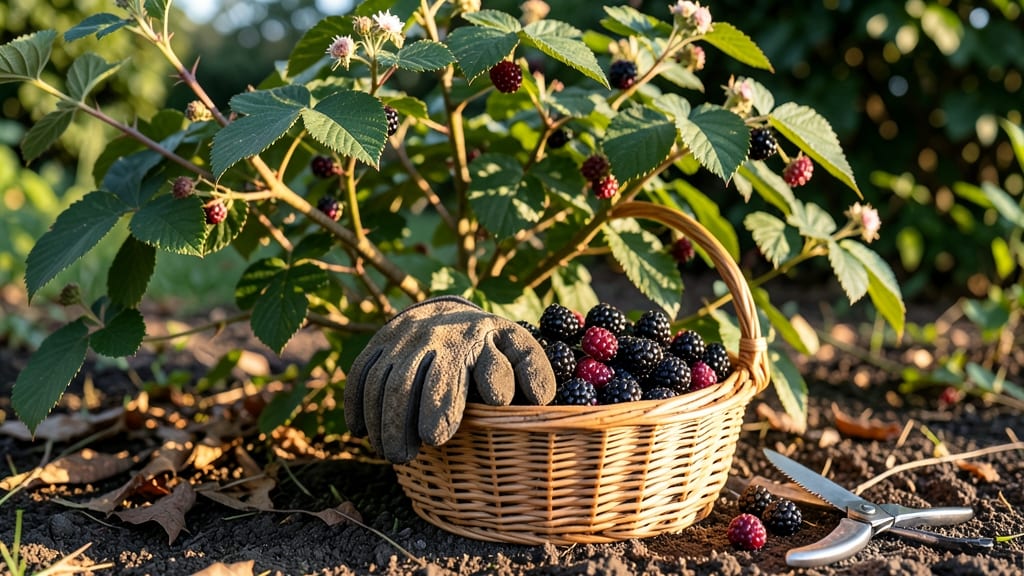
Mastering the blackberry harvest season means the difference between tart, mealy berries and sweet, juicy perfection—here’s how to know when to pick for the best flavor.
Timing your blackberry harvest perfectly can mean the difference between tart, mealy berries and sweet, juicy perfection—here’s how to know when to pick for the best flavor.
In USDA Zone 6a, the blackberry harvest season typically kicks off in mid-July, with peak ripeness stretching into September. But don’t assume every berry on the bush is ready at once—some varieties ripen weeks apart, and climate shifts can push your harvest earlier or later.
Below, I’ll walk you through the three key signs your blackberries are ready, regional variations to watch for, and how to stretch your harvest season with simple pruning and care.


3 Unmistakable signs your blackberries are ready for harvest
There's nothing quite like the moment you realize your blackberries have reached peak ripeness—juicy, sweet, and bursting with flavor. But how do you know when they're truly ready?
Picking too early means tart, underripe berries, while waiting too long can lead to birds getting to them first or berries becoming mushy. Let me share my foolproof method for identifying the perfect harvest window using simple visual and tactile cues.
Most gardeners focus on color alone, but blackberries require a multi-sensory approach. The best time to harvest is when three key indicators align: uniform color, firmness, and easy detachment.
I've learned this the hard way—once I picked a batch that looked ripe but turned out mealy and bland. Don't make my mistake! Let's dive into these signs so you can enjoy the sweetest, most flavorful blackberries from your garden.
No green or red tint remains on berries
Gently squeeze—should feel firm but give slightly
Berries should twist off cleanly with minimal force
Let's start with the most obvious sign: color. Fully ripe blackberries should be a deep, glossy black with no traces of red or green. I once picked a batch that looked almost black but had subtle green shoulders—those berries were still tart and underripe.
Pro tip: Check the calyx (the flower part at the top) too. If it's still green, the berry needs more time on the vine.
Color alone isn't enough, though. You need to test firmness with your fingers. A ripe blackberry should feel firm but yield slightly when you give it a gentle squeeze—like pressing your thumb against a ripe peach. If it feels mushy or squishes easily, it's overripe.
I learned this lesson when I ignored the firmness test and ended up with a bowl of pulpy berries that were perfect for jam but not much else.
Here's where many gardeners miss the mark: cluster separation. When blackberries are perfectly ripe, they should detach easily from the plant with just a slight twist. If you're struggling to pull them off or they leave part of the stem behind, they're not ready yet.
I've found that checking this in the morning gives the most accurate reading—berries often feel firmer when cooler.
One common mistake I see is harvesting based on berry size alone. Some varieties produce large berries that are still underripe, while others stay small but pack incredible flavor.
Always combine size with the other two indicators. For example, my Cheyenne blackberries often stay smaller than Natchez varieties but are sweeter when fully ripe.
Timing matters too. In my experience, morning harvests yield the best results because berries are cooler and firmer. If you're harvesting for fresh eating, pick on cool days to preserve quality. For freezing or baking, you can harvest when berries are slightly underripe—they'll soften during processing.
I like to do both: morning harvests for fresh snacks and afternoon picks for my freezer stash.
Don't forget about bird activity as an indicator. When birds start descending on your blackberries, you know harvest time is near! I've had to install netting on more than one occasion to protect my crop.
If you see birds pecking at berries that are still partially green, those might not be the best candidates for picking—wait a few more days for the full flavor development.
For thornless varieties, harvesting is even easier since you don't have to worry about pricking your fingers. But the same ripeness rules apply. I've found that thornless varieties like Arapaho often ripen slightly earlier than traditional types, so keep a closer eye on them.
Always harvest with clean, sharp scissors or your fingers to avoid damaging the canes.
Finally, remember that variety matters. Early-season types like Triple Crown will ripen weeks before late-season varieties like Ouachita. I've planted both in my garden to extend the harvest window.
If you're unsure about your variety, check your plant tags or consult a local nursery—they can tell you the typical harvest window for what you're growing.
Now that you know these three unmistakable signs, you'll never second-guess when to harvest your blackberries again. The key is patience—waiting for all three indicators to align ensures you get the sweetest, most flavorful berries possible. Happy harvesting! 🍇
Best blackberry harvest season by region (northern vs southern climates)
Your blackberry harvest season depends heavily on where you live—northern gardeners face a shorter window than their southern counterparts. In USDA Zones 5-7, cold snaps can delay ripening, while Zones 8-10 often enjoy extended harvests into fall. Understanding these regional differences helps you pick berries at their sweetest peak.
Early-season varieties like Chester and Triple Crown ripen first, followed by mid-season Navaho and late-season Ouachita. Each variety thrives in specific climates, so choosing the right one for your zone maximizes your harvest potential and flavor.
| USDA Zone | Harvest Window | Early Varieties | Mid Varieties | Late Varieties |
|---|---|---|---|---|
| Zones 5-7 | Mid-July to early September | Chester (July) | Navaho (July-Aug) | Ouachita (Aug-Sept) |
| Zones 8-10 | June to October | Triple Crown (June) | Arapaw (July-Aug) | Natchez (Sept-Oct) |
| All Zones | Key Ripeness Cues | Fully black | Firm, plump | Easy cluster removal |
In northern climates (Zones 5-7), expect your first harvest around mid-July with Chester, a thornless variety perfect for beginners. These regions often see a 4-6 week harvest window, so plan to pick frequently to avoid overripe berries.
Late-season varieties like Ouachita may produce until early frost, giving you a longer season if you choose the right plants.
Southern gardeners in Zones 8-10 enjoy a 4-month harvest starting as early as June with Triple Crown. The extended growing season allows for multiple flushes of berries, especially with everbearing varieties like Arapaw. However, watch for heat stress—berries may ripen unevenly during summer heatwaves, so check clusters daily.
Regardless of your zone, late-season varieties like Natchez shine in southern climates, producing berries well into October. These varieties often have thicker skins to resist cracking from heavy rains, making them ideal for humid regions. For northern gardeners, focus on early and mid-season varieties that ripen before fall frosts.
Pro tip: In cooler zones, use black plastic mulch to warm the soil and extend the harvest by 2-3 weeks. Southern gardeners should prioritize shade cloth during peak summer to prevent sunburn on ripening berries. Both strategies help maintain berry quality and sweetness throughout the season.
Knowing your local microclimate is key—mountain regions may harvest 2 weeks later than valley areas, even within the same zone. Keep a garden journal to track your blackberry's ripening patterns year after year for perfect timing.