
Vegetables
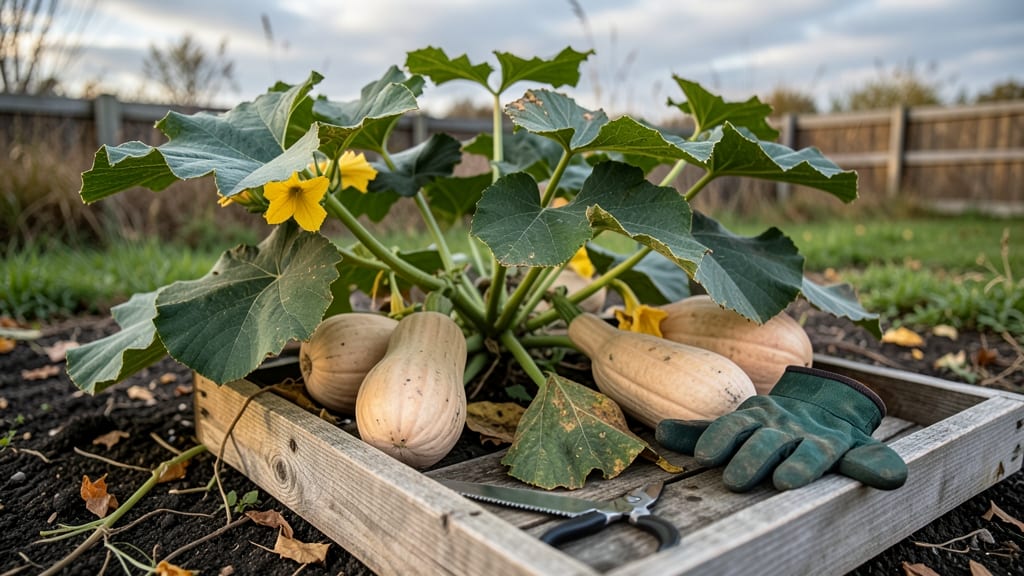
Timing the harvest of your butternut squash 🎃 at just the right moment transforms a bland, watery mess into a sweet, nutty treasure—here’s how to nail it.
Picture this: you’ve spent months nurturing your vines, and now the squash are plump and proud. But wait too long, and they’ll turn tough and stringy. Get it right, though, and you’ll unlock flavors that taste like autumn in every bite.
The secret? Two simple tricks—listen for the seed rattle and test the skin hardness—that take just seconds but save you from disappointment.
Most gardeners in Zone 6a know the harvest window runs from late September to October, but the exact moment varies based on your local climate and variety.
A squash that’s ready one week might be past its prime the next, which is why knowing these cues is non-negotiable for home growers.
In this guide, I’ll walk you through the foolproof methods to determine peak ripeness, how to adjust for early or late seasons, and even how to extend your harvest window in cooler climates. No more guesswork—just perfectly timed squash, every time.
When to harvest butternut squash: seed rattle test & skin hardness guide
Timing your butternut squash harvest perfectly ensures sweet, flavorful flesh instead of tough, stringy disappointment. These winter squash thrive when picked at peak ripeness, and two simple tests—seed rattle and skin hardness—will tell you exactly when to harvest.
Miss the window, and you risk overripe squash that spoils faster or develops mealy texture.
First, understand that butternut squash typically reach harvest readiness between 90-120 days after planting, depending on your USDA zone and variety. In my Zone 6a garden, I usually start checking around mid-September. The key is balancing maturity with seasonal timing—don’t wait until frost threatens, or your squash may suffer.
Here’s where it gets exciting: the seed rattle test is my favorite trick. Simply shake a mature-looking squash near your ear—if you hear seeds rattling inside, that’s your cue to harvest within 2-3 days. This test confirms the seeds are fully developed, meaning the squash’s sugars have peaked.
| Test Method | Visual Cues | Action Required | Harvest Window |
|---|---|---|---|
| Seed Rattle Test | Squash color deepens to tan/cream; stem dries and shrinks | Shake near ear—hear seeds rattling? | Harvest in 2-3 days |
| Skin Hardness Test | Rind turns dull (not shiny); vine yellows | Press fingernail—resists penetration? | Harvest immediately |
| Overripe Warning | Soft spots; stem detaches easily; skin cracks | Use immediately or compost | Too late for storage |
The skin hardness test is equally reliable. Press your fingernail into the squash’s skin—if it resists and doesn’t puncture easily, it’s ready. I’ve learned the hard way that waiting for the skin to become too hard (like a rock) means the flesh loses moisture and sweetness.
Aim for that "just-right" firmness, like a ripe avocado.
Common mistakes can sabotage your harvest. First, don’t harvest based on color alone. Butternut squash mature from pale green to tan, but some varieties stay green even when ripe. Second, avoid picking when the vine is still lush green—this often means the squash needs more time.
Finally, never harvest after a hard frost, as cold temperatures turn the flesh mushy.
Pro tip: Use a clean, sharp knife to cut the squash from the vine, leaving a 1-2 inch stem attached. This prevents rot during storage. After harvesting, cure your squash by placing it in a warm (80-85°F), dry spot for 7-10 days.
This hardens the skin further, extending shelf life to 3-6 months when stored properly.
In my experience, combining both tests gives the most accurate results. For example, I once harvested a squash that passed the rattle test but failed the skin test—it turned out to be slightly underripe.
By waiting one more day, I got a sweeter, more flavorful squash. Pay attention to both methods, and your harvest will thank you.
Remember, butternut squash are not frost-tolerant, so plan your harvest to finish before the first frost date in your area. In cooler climates (Zones 3-5), you might need to harvest as early as late August.
Use row covers to extend the season if needed, but never sacrifice ripeness for extra days on the vine.
With these two tests in your gardening toolkit, you’ll never second-guess harvest time again. The difference between a perfectly ripe butternut squash and an overripe one is just a few days—and the flavor difference is night and day. Happy harvesting! 🎃
Butternut squash harvest timing: days to maturity & seasonal adjustments
Your butternut squash harvest timing isn’t one-size-fits-all—it depends on your USDA zone, planting date, and even the specific variety you’ve chosen.
In Zone 6a, most squash mature between 90-120 days after planting, but cooler zones like Zone 5 may need an extra 10-15 days, while warmer Zone 7+ gardens can harvest slightly earlier.
The key to precision lies in understanding your frost-free window.
For example, gardeners in Zone 6a with a 165-day frost-free season should aim to harvest by mid-October, while those in Zone 4 (shorter season) might need to start seeds indoors or choose faster-maturing varieties like 'Waltham Butternut' (90 days) over 'Gold Rush' (110 days).
| USDA Zone | Days to Maturity | Harvest Window | Seasonal Adjustments |
|---|---|---|---|
| Zone 3-4 | 90-120 days | Late Sept - Early Oct | Start indoors; choose fast varieties |
| Zone 5 | 90-110 days | Mid-Sept - Mid-Oct | Plant after last frost; mulch for warmth |
| Zone 6a | 75-100 days | Late Sept - Oct | Standard timing; monitor for frost |
| Zone 7-8 | 70-90 days | Aug - Sept | Early planting; succession plant |
To calculate your local harvest timeline, subtract your last frost date from the days to maturity for your variety. For example, if your last frost is April 15 and you’re growing 'Gold Rush' (110 days), your harvest window opens around August 5.
However, don’t rely solely on dates—always check for visual ripeness cues like a hard rind and dried stem.
For early-season adjustments, consider row covers or black plastic mulch to extend the growing season by 2-3 weeks. In late-season areas, prioritize frost-tolerant varieties like 'Sweet Meat' or harvest before the first frost and store in a cool, dark place.
A light frost (28°F) can damage squash, but they’ll survive brief dips to 25°F if harvested first.
Pro tip: If your squash aren’t ready by the first frost, dig them up with a few inches of soil attached to cure indoors. Place them in a warm, dry spot (80°F) for 10 days to harden the skin before storing.
This trick works especially well in Zone 4-5 where seasons are short.
Remember, butternut squash won’t ripen further after harvest, so timing is everything. Use these guidelines to align your planting with your climate, and you’ll enjoy a flavorful harvest every season—no guesswork required. 🎃