
Vegetables
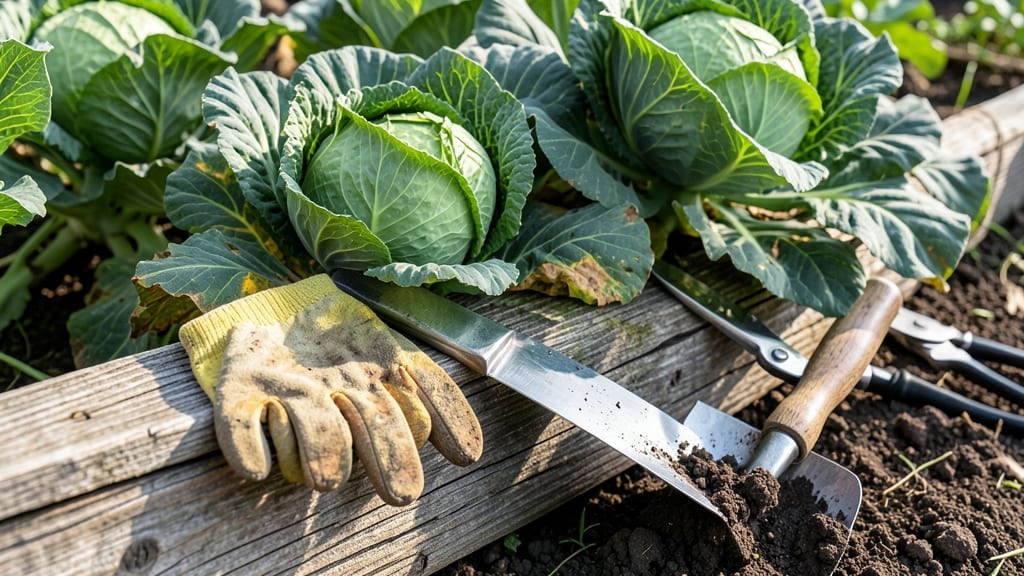
The right cabbage harvest time turns a solid head of 🥬 into a crisp, flavorful prize—but miss the window, and you’ll end up with bitter, bolting plants or limp, overripe leaves.
Picture this: you’ve nurtured your cabbage for months, only to pull it too early and find a loose, underdeveloped head, or wait too long and watch it split open or bolt. The difference between success and disappointment often comes down to knowing the exact signs of readiness—and when to act.
In this guide, I’ll walk you through the ideal harvest window for your climate zone, how to spot a perfectly ripe head, and how to extend your cabbage season so you can enjoy fresh harvests well into fall. No more guesswork, just crisp, homegrown 🥬 every time.
You’ll also learn how to prevent bolting, store your harvest for maximum freshness, and troubleshoot common mistakes—so you can enjoy garden-fresh cabbage at its best, season after season.

Optimal cabbage harvest time by variety & climate zones
Getting your cabbage harvest timing right means the difference between crisp, sweet heads and bitter, bolted plants. Different cabbage varieties mature at unique rates, and your USDA climate zone plays a huge role in when you should pull them.
Whether you're growing green cabbage, red cabbage, savoy cabbage, or bok choy, knowing the perfect harvest window ensures maximum flavor and texture.
In cooler USDA zones 3-5, spring-planted cabbage typically reaches harvest between late June and August, while fall crops mature from September to October. Warmer zones 6-10 allow for extended seasons, with spring harvests as early as May and fall harvests lasting until November.
Early varieties like 'Early Jersey Wakefield' can be ready in just 55-60 days, while late varieties like 'Late Flat Dutch' take 90-100 days.
Below is a quick reference guide to help you time your harvests perfectly across different cabbage types and climate zones. Use this as your go-to resource to avoid common mistakes like harvesting too early (small, loose heads) or too late (bolting or splitting).
| Variety | Days to Maturity | Spring Harvest Window (Zones 3-5) | Fall Harvest Window (Zones 6-10) | Key Harvest Signs |
|---|---|---|---|---|
| Green Cabbage (Early) | 55-65 days | Late June - Early July | September - Early October | Firm head, deep green leaves |
| Green Cabbage (Late) | 80-100 days | July - August | October - November | Compact head, tight wrappers |
| Red Cabbage | 70-90 days | Late June - Early August | September - October | Deep purple-red color, firm texture |
| Savoy Cabbage | 65-85 days | Late June - July | September - Early October | Crinkled leaves, dense head |
| Bok Choy | 30-50 days | May - June (spring) / September - October (fall) | August - November (warm zones) | Tender stems, 6-8 inch stalks |
For spring planting, aim to harvest before summer heat triggers bolting. In USDA zones 3-5, early varieties planted in March-April will be ready by late June, while late varieties planted in May mature in August-September.
In warmer zones 6-10, you can extend spring harvests by planting bolting-resistant varieties like 'Golden Acre' or 'Red Express'.
Fall planting offers a second harvest opportunity. In cooler zones 3-5, sow seeds in July for harvests in September-October. In warmer zones 6-10, you can plant as late as August and still harvest before first frost.
Choose late-maturing varieties like 'January King' or 'Winter King' for extended fall harvests.
Adjust your harvest timing based on local weather patterns. If your area experiences unseasonably warm spells, your cabbage may mature faster. Conversely, cool summers can delay harvests. Always monitor your plants for visual maturity signs like firm heads and vibrant color, rather than relying solely on calendar dates.
Pro tip: In USDA zones 7-10, you can even grow year-round cabbage with succession planting. Plant every 2-3 weeks from early spring to late summer to ensure a continuous supply. This works especially well for b
Signs your cabbage is ready for harvest (and when to wait)
Knowing the exact signs your cabbage is ready for harvest saves you from bitter, loose heads or wasted effort. The key lies in three simple visual cues: head firmness, leaf coverage, and color consistency.
A mature cabbage head should feel solid when gently squeezed—like a dense, compact ball. If it gives slightly, it needs more time. Also, check for tightly wrapped outer leaves that fully encase the head without gaps.
Color changes are another dead giveaway. Green cabbages should deepen to a rich, vibrant green, while red varieties will turn a uniform deep purple. Uneven coloring or pale patches mean your cabbage isn’t ready yet.
For savoy cabbage, look for crisp, tightly curled leaves—these are your best indicator of peak flavor and texture.
🌱 Cabbage Harvest Checklist
- Head Firmness: Solid, compact feel when squeezed
- Leaf Coverage: Fully wrapped with no gaps
- Color: Deep, uniform (green, red, or purple)
- Stem: Thick and sturdy, not soft or hollow
- Size: 6-8 inches in diameter (varies by variety)
⚠️ Warning: Harvest before leaves start yellowing or splitting—this signals overmaturity!
Timing is everything when it comes to harvesting cabbage. Most varieties take 70-100 days to mature, but don’t rely solely on days—watch for these signs instead.
For example, early varieties like ‘Early Jersey Wakefield’ may be ready in as little as 60 days, while late varieties like ‘Hubbard’ can take up to 120 days. Always check your seed packet for specific guidelines, but trust your eyes more than your calendar.
Temperature plays a sneaky role in harvest timing. If your cabbage heads start to split or bolt (sending up a flower stalk), it’s a sign of heat stress or day-length sensitivity.
Bolt-resistant varieties like ‘Golden Acre’ are better for warm climates, but even they’ll bolt if temperatures exceed 85°F (29°C) for prolonged periods. To delay bolting, use shade cloth or plant in partial shade during peak summer months.
One common mistake is harvesting too early for larger heads. If you pick cabbage when it’s still loose, the head won’t reach its full potential. Wait until the outer leaves are fully curled and crisp, and the head measures 6-8 inches in diameter.
For bok choy, harvest when the leaves are tender and about 6 inches tall—don’t wait for a full head to form.
Once you’ve confirmed your cabbage is ready, harvest on a cool, dry day to preserve freshness. Use a sharp knife to cut the head 1-2 inches above the soil, leaving the roots intact. This encourages secondary heads in some varieties, giving you a second harvest!
Store your cabbage in a cool, humid place (like a root cellar) for up to 2 weeks, or wrap it in a damp towel in the fridge for longer storage.