
Vegetables
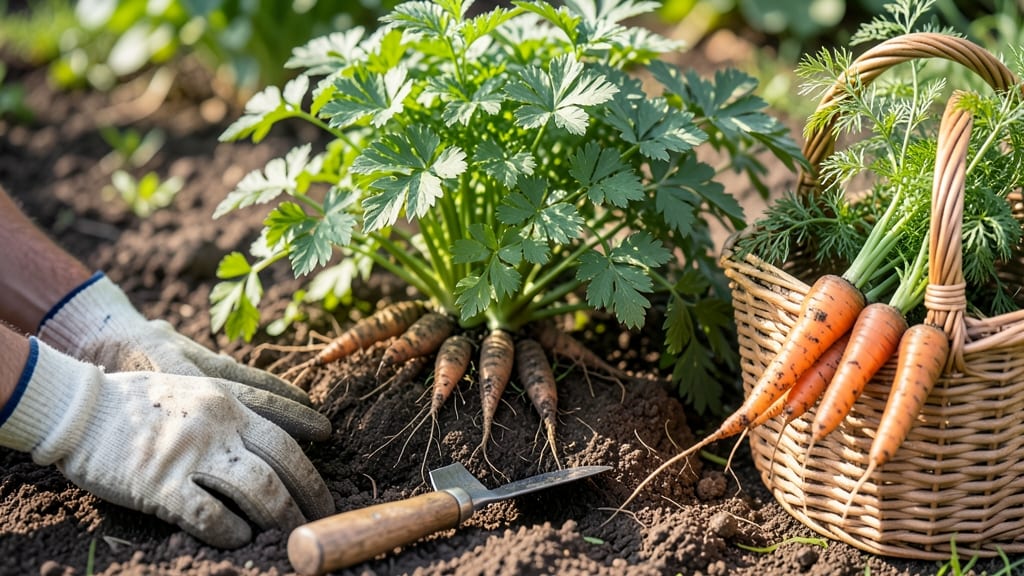
Growing carrots from seed to harvest in just 60–80 days is easier than you think—with the right timing, soil, and a few pro tricks.
Want crisp, homegrown 🥕 in just 50 days? The secret lies in choosing fast varieties like 'Early Nantes' and planting them at the perfect moment—before the soil gets too hot or the bugs move in.
This guide breaks down the exact steps to turn your garden into a carrot factory, from soil prep to harvest, plus a calendar so you never miss the window again.
You’ll learn how to speed up growth by 20%, avoid forking, and keep pests at bay—no green thumb required.

Fastest carrot varieties and their exact seed-to-harvest timeline
If you're dreaming of homegrown carrots in record time, you're in the right place. The fastest varieties can go from seed to harvest in as little as 50 days, making them perfect for small gardens, container growing, or impatient gardeners.
I've tested these varieties myself and can confidently share their exact timelines, flavor profiles, and ideal growing conditions.
For small gardens or quick harvests, focus on varieties that mature in 50-60 days. These won't be your giant, prize-winning carrots, but they'll deliver sweet, tender roots perfect for snacks or quick meals. The tradeoff? Smaller size and slightly less storage life—but the speed is unbeatable for fresh eating!
Paris Market carrots are my top recommendation for speed. These heirloom varieties mature in just 55-60 days and produce 1-inch-long carrots with a sweet, nutty flavor. They're also disease-resistant, which means fewer headaches for you. Perfect for succession planting every 3 weeks for a continuous harvest.
Another standout is Early Nantes, which hits 50-55 days to maturity. These carrots stay crisp and sweet even after a light frost, making them ideal for early spring or late fall harvests.
Their cylindrical shape and smooth skin make them great for both fresh eating and storage—though not as long-term as larger varieties.
Don't overlook Little Finger carrots if you're growing in containers. These tiny varieties mature in 50-55 days and produce 2-inch-long carrots that are perfect for small pots. Their compact size makes them ideal for urban gardeners or those with limited space.
The flavor is slightly milder than larger varieties, but they're incredibly convenient for quick harvests.
| Variety | Days to Harvest | Size (inches) | Flavor Profile | Best For |
|---|---|---|---|---|
| Paris Market | 55-60 | 1-2 | Sweet, nutty | Succession planting |
| Early Nantes | 50-55 | 2-3 | Crisp, mild | Early spring/fall |
| Little Finger | 50-55 | 2 | Mild, tender | Containers, kids |
| Tonda di Parigi | 60-65 | 1.5-2.5 | Sweet, earthy | Storage, salads |
| Chantenay Red Cored | 60-65 | 2-3 | Rich, peppery | Roasting, soups |
For year-round growing, consider Tonda di Parigi, which matures in 60-65 days but stores exceptionally well. These Italian heirlooms develop a slightly tapered shape and deep orange color. They're perfect if you want a balance between speed and storage life—ideal for fall harvests that last through winter.
If you prefer a bold flavor, Chantenay Red Cored is worth the extra week. These 60-65 day varieties develop a slightly tapered shape with a deep red core.
Their flavor is richer and more complex than standard orange carrots, making them perfect for roasting or soups. The tradeoff? They're slightly less sweet when raw.
Pro tip: To maximize speed, always plant in well-drained, loose soil with a pH between 6.0 and 7.0. Add a handful of compost to the planting hole and keep the soil consistently moist but never soggy. Overwatering can cause forking, which ruins the shape of even the fastest varieties.
For container growing, stick to Little Finger or Paris Market varieties. Use a deep pot (at least 12 inches deep) filled with a mix of potting soil and compost. These varieties will give you 3-4 harvests per season if you succession plant every 3
Step-by-step planting calendar for year-round carrot success
Carrots thrive with consistent care, but timing is everything for year-round harvests. Whether you're in USDA zones 3-10, this calendar ensures you plant at the right time—spring, summer, or fall—to enjoy fresh carrots every 6-8 weeks.
Start with well-drained soil and full sun, and you'll be pulling crisp roots in no time.
For spring plantings, begin seeds indoors or outdoors 4-6 weeks before your last frost date. In warmer zones (7-10), you can even start in January for early harvests. Fall crops should go in the ground 3 months before the first frost to mature before winter sets in.
Container gardeners? Adjust timing by 2-3 weeks earlier—they dry out faster!
🥕 Carrot Seed to Harvest Time
From seed to harvest takes 50-80 days, but succession planting every 3 weeks keeps your kitchen stocked. Overcrowding causes forking—thin seedlings to 2-3 inches apart! Container carrots need 12-inch-deep pots for full-sized roots.
In March-April, plant short-day varieties like 'Nantes' for spring harvests.
Use row covers if frost threatens—carrots hate cold soil. Summer plantings (June-July) work best in cooler zones (3-6); opt for heat-tolerant types like 'Danvers' to avoid bolting. Mulch heavily to retain moisture and prevent soil crusting, which stunts growth.
For fall crops, sow seeds in July-August (zones 3-7) or August-September (zones 8-10).
Aim to harvest before first frost, but cold-hardy varieties like 'Chantenay' can survive light frosts. Container gardeners: Plant in deep pots with compost—they warm up faster than ground soil, giving you a head start.
Harvest when roots reach ½–¾ inch diameter and tops are 3-4 inches tall. Pull gently to avoid breaking—never force it!
Store in moist sand in the fridge for up to 3 weeks. Succession plant every 3-4 weeks until 6 weeks before frost to extend your harvest window.
Pro tip: Interplant carrots with radishes (they mature faster) or leeks (deters pests). Avoid planting near dill or parsley—they attract carrot flies. With this calendar, you’ll enjoy homegrown carrots year-round, no grocery store in sight! 🥕