
Vegetables
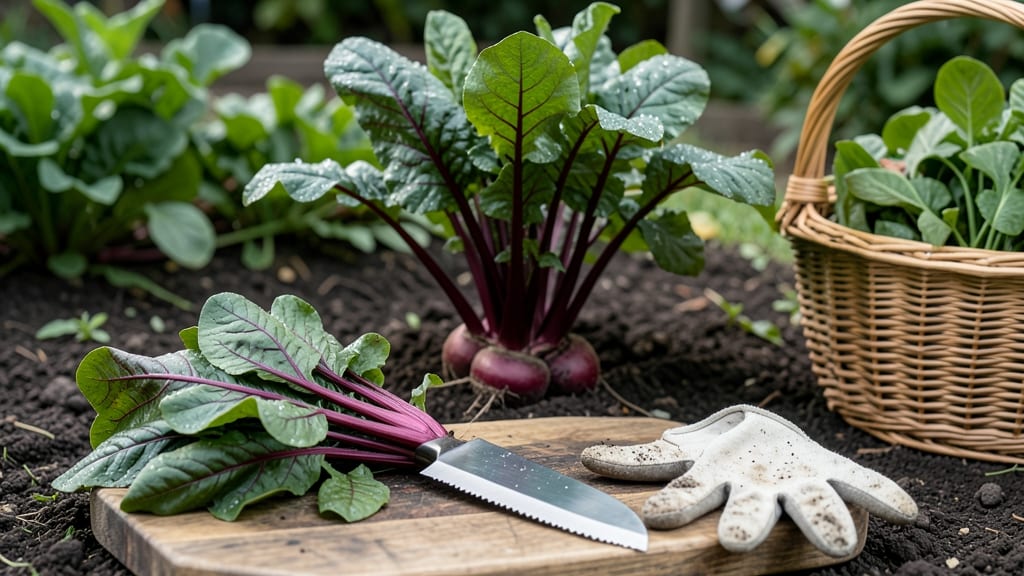
Harvesting beet greens at the right moment turns a simple task into a flavor-packed, regrowth-boosting win for your garden 🥬.
Did you know that waiting for the stems to snap back when pulled is the secret to tender leaves and a second harvest? Many gardeners miss this trick, leaving behind greens that could feed their families for weeks.
Timing matters more than you think—harvest too early, and you get tough, bitter leaves. Too late, and the plant bolts, sending energy to seeds instead of your plate. The key is catching those dark green, glossy leaves when they’re 4-6 inches long and still crisp.
Below, I’ll walk you through the exact when, how, and why of harvesting beet greens—plus how to store them and coax the plant into giving you a second round of harvests. No wasted effort, just more homegrown goodness.


When to harvest beet greens for best flavor and regrowth
Harvesting beet greens at the right moment transforms your garden into a flavor powerhouse while ensuring the plant keeps producing. The key?
Mastering the stem snap-back test—a simple trick that tells you when greens are tender, sweet, and ready for the table. Miss this window, and you risk tough, bitter leaves or a plant that bolts too soon, ending your harvest early.
Let’s break down the science and seasonal secrets to timing your harvest perfectly.
Beet greens thrive when harvested before bolting, which happens when days get longer and temperatures rise. In cool-season climates (USDA Zones 3-6), this typically means harvesting between late spring and early fall, while warmer zones can extend harvests into late fall or even winter with protection.
The goal is to pick leaves when they’re 4-6 inches long, dark green, and glossy—signs of peak tenderness and flavor.
| Harvest Stage | Leaf Size | Stem Test | Flavor Profile | Regrowth Potential |
|---|---|---|---|---|
| Early Harvest | 2-4 inches | Soft, bends easily | Mild, slightly sweet | High (encourages bushier growth) |
| Peak Harvest | 4-6 inches | Snaps back crisply | Rich, sweet, tender | Moderate (cut outer leaves) |
| Late Harvest | 6+ inches | Tough, woody | Bitter, fibrous | Low (stresses plant) |
| Bolting Stage | Flowers appear | N/A | Extremely bitter | None (harvest ends) |
To perform the stem snap-back test, gently grasp a leaf stem near the base and pull upward. If it snaps back into place immediately, the greens are at their sweetest. If it bends without snapping, wait 2-3 days—they’re not quite ready.
This test works because cell turgor pressure (the crispness of plant cells) peaks when leaves are young and tender. Overharvesting or waiting too long reduces both flavor and regrowth potential.
Seasonal timing varies by climate. In cooler regions (Zones 3-5), start harvesting in late May and continue until first frost. In warmer zones (Zones 7-10), you can harvest year-round with fall and winter varieties, like 'Fordhook Winterkeeper', which thrives in cooler temperatures.
Always harvest outer leaves first to protect the plant’s center, where new growth emerges.
Bolt-resistant varieties like 'Bright Lights' or 'Detroit Dark Red' give you a 2-3 week extension before bolting, but even these benefit from early harvesting. If your greens start flowering, stop harvesting—bolted beet greens become inedible and won’t regrow.
Instead, pull the plant and replant for a fall succession crop if your season allows.
Pro tip: Harvest in the morning after dew dries for the freshest flavor. Use clean, sharp scissors or your fingers to avoid damaging the stem. Leave 2-3 inches of leaf attached to encourage regrowth.
With proper care, a single beet plant can produce harvests for 4-6 weeks, making it one of the most rewarding vegetables to grow.
If you’re in a short-season climate, prioritize harvesting when greens reach 4 inches—even if they’re not at peak snap-back. Smaller leaves are still edible and less likely to bolt prematurely. In longer growing seasons, aim for the 6-inch mark for maximum tenderness.
Always monitor your plants for signs of stress, like yellowing leaves or stunted growth, which can signal overharvesting or nutrient deficiencies.
Remember, beet greens are cut-and-come-again crops, meaning they regrow after harvesting. The earlier you start harvesting, the more lush, tender greens you’ll enjoy all season. By mastering the snap-back test and timing your harvests, you’ll turn your garden into a never-ending salad bowl—no cooking required!
How to harvest beet greens without damaging the root
Harvesting beet greens the right way ensures you get tender, flavorful leaves while keeping your plants healthy for future harvests. The key is using gentle techniques that protect the root system—because a damaged root means fewer regrowth opportunities and weaker plants.
I’ve found that hand-picking leaves is often better than cutting, but there are times when scissors work too, depending on leaf size and plant maturity.
Before you start, check for these signs of readiness: dark green, glossy leaves that are 4-6 inches long and have a crisp stem that snaps back when pulled. If you wait too long, the stems become woody, and the leaves turn bitter.
The good news? Harvesting correctly can encourage your beet greens to regrow for 2-3 more harvests throughout the season.
Step-by-Step Harvesting Guide
- 🌱 Step 1: Choose the Right Tool
For small leaves (3-4 inches), use your fingers or thumb to pinch the stem just above the base. For larger leaves (5+ inches), grab a pair of clean, sharp scissors or pruning shears. - 🥬 Step 2: Select Outer Leaves First
Always harvest the outermost, largest leaves to avoid shading the center. This encourages the plant to produce new growth from the inner leaves. - ✂️ Step 3: Cut or Pinch at the Base
If using scissors, cut the stem 1/4 inch above the soil line to prevent damage to the crown. If pinching by hand, grip the stem firmly and pull upward with a quick motion to avoid tearing. - 💧 Step 4: Leave 2-3 Inches of Stem Attached
Never remove more than 1/3 of the plant’s foliage at once. Leaving 2-3 inches of stem ensures the root stays intact and can support regrowth. - 🌿 Step 5: Harvest in the Morning
Pick greens in the early morning when leaves are cool and crisp. This reduces stress on the plant and keeps your harvest fresh longer. - 🌡️ Step 6: Avoid Harvesting in Extreme Heat
Never harvest when temperatures exceed 85°F (29°C). The plant is more vulnerable to stress and disease during heatwaves, and regrowth may slow down.
One of the biggest mistakes I see gardeners make is cutting too close to the root or harvesting too aggressively. This can shock the plant and stunt future growth. Another common error is harvesting all leaves at once, which leaves the root exposed and vulnerable to rot.
Instead, aim to remove only 1-2 large leaves per harvest and space out your pickings by 1-2 weeks.
After harvesting, give your beet greens some post-harvest TLC to encourage regrowth. Water the soil deeply to replace moisture lost during harvest, and apply a light layer of compost around the base to replenish nutrients.
If you notice yellowing leaves after harvesting, it’s a sign the plant needs more nitrogen—try a side dressing of well-rotted manure or fish emulsion.
With the right technique, you can enjoy multiple harvests from a single beet plant all season long. Just remember: gentle hands and patience are your best tools for a thriving garden. Happy harvesting! 🌱