
Trees
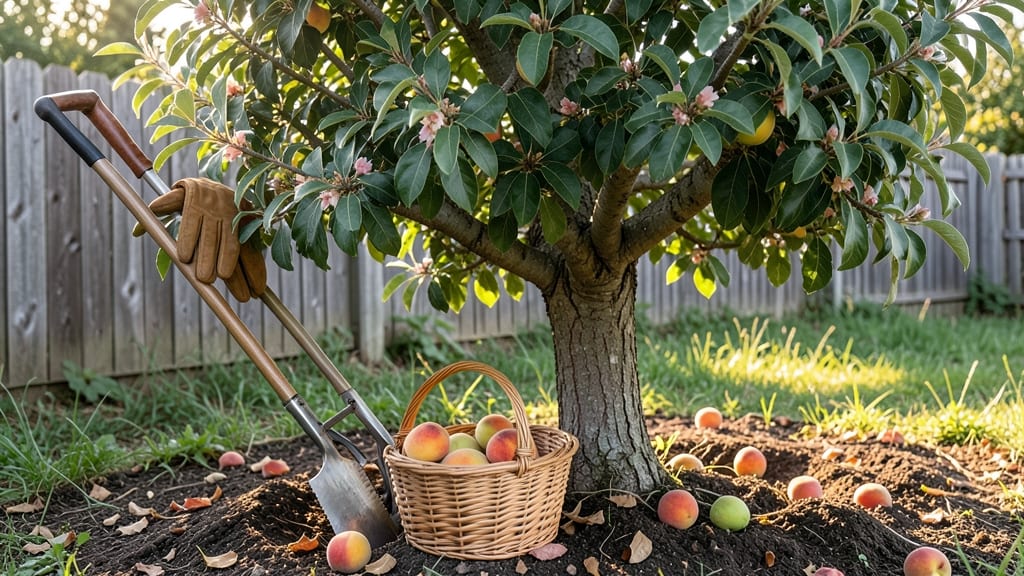
Harvesting your peach tree at the right moment transforms mealy, bland fruit into sweet, juicy perfection 🍑 — and the difference comes down to knowing exactly when to pick.
That first bite of a perfectly ripe peach—juicy, sweet, and bursting with flavor—is what every gardener dreams of. But timing your harvest wrong can turn that dream into a disappointing, mealy mess.
Learn the exact signs to watch for so you can pick your peaches at peak sweetness without bruising them in the process.
Most gardeners wait too long, letting peaches overripen on the tree, while others pluck them too soon, sacrificing flavor for convenience. The key is catching that sweet spot between firmness and softness, when the fruit yields just enough to signal it’s ready.
In this guide, I’ll walk you through the 5 foolproof ripeness signs, gentle harvesting techniques to avoid bruising, and how to store your peaches so they stay fresh longer. No more guesswork—just perfect peaches every time.


When to harvest peaches: 5 key ripeness signs you can’t miss
Timing your peach harvest is an art—one wrong move, and you’ll end up with fruit that’s either too tart or mushy. Unlike some fruits that ripen off the vine, peaches reach their peak sweetness only when picked at the perfect moment.
I’ve learned the hard way that waiting too long turns juicy peaches into mealy disappointments, while harvesting too early means sacrificing that summery burst of flavor we all crave.
Don’t worry—you don’t need a harvesting degree to master this. With just a little practice, you’ll spot the 5 key ripeness signs that guarantee sweet, firm peaches every time. These cues are your roadmap to peak ripeness, and once you know them, you’ll never second-guess when to pick again.
📌 5 Signs Your Peaches Are Ready to Pick
- 🟡 1. Full Color: Peaches turn their mature hue—deep yellow, white, or red—with no lingering green. Varieties like 'Elberta' will blush red, while 'Redhaven' develops a rich orange-red.
- 👍 2. Gentle Give: Press your thumb gently—ripe peaches yield slightly but don’t feel mushy. Think "soft like a ripe avocado," not "squishy like overripe tomatoes."
- ✂️ 3. Easy Stem Release: Twist the fruit gently—it should separate cleanly from the branch, leaving a tiny stem. If it resists, wait a day or two.
- 🌱 4. Seed Check: Cut one open—ripe peaches have a fully brown seed with no green patches. White or green seeds mean "not ready yet."
- 🌡️ 5. Warmth & Scent: Ripe peaches emit a sweet, floral aroma and feel slightly warmer than unripe fruit. Cold, hard peaches? Hold off!
Here’s the golden rule: Never harvest based on color alone. A peach might look ripe but still taste bland if it’s not fully developed inside. That’s why I always combine color cues with the finger test—it’s foolproof.
For example, my 'June Gold' peaches turn golden-yellow but need that slight give before they’re ready.
Overripe peaches are a gardener’s nightmare—they bruise easily, ferment quickly, and develop a fermented, alcohol-like smell. I once left a batch too long, and by the time I noticed, they’d turned into a mushy, fermented puddle.
Trust me, you’ll thank yourself for picking them just before they’re perfect rather than waiting for "absolute ripeness."
Another common mistake? Picking peaches by the stem instead of twisting gently. This can tear the fruit and leave ugly scars. Always grip the peach firmly but gently, then twist with your fingers—never yank.
I’ve also found that harvesting on a cool morning (after dew has dried) reduces bruising because the fruit is firmer.
Pro tip: If you’re unsure, harvest a few days early and let them ripen indoors at room temperature. Place them in a paper bag with a banana or apple to speed up the process—ethylene gas from these fruits triggers ripening.
Within 24-48 hours, your peaches will be perfectly sweet and ready to eat.
One last piece of advice: Don’t mix up peach varieties. Some, like 'Contender', ripen earlier than others like 'Loring'. Keep a harvest journal to track when each variety hits peak ripeness in your climate. Over time, you’ll predict harvest dates like a pro.
Now that you’ve mastered the signs, your next challenge is handling those peaches without bruising. But that’s a story for another time—because once you’ve picked them right, the real fun begins: turning your backyard harvest into homemade preserves, fresh snacks, or summer desserts. 🍑
Peach tree harvesting techniques: how to pick without damaging fruit
Once you’ve spotted those ripe peaches hanging on your tree, the next challenge is picking them without causing bruises or damage. Peach skins are delicate, and rough handling can turn your perfect fruit into a mushy mess. The right technique ensures you get flawless peaches ready for eating or storing.
Start by gathering a few essentials: a harvesting basket, pruning shears, and a small bucket of water for cleaning. Work on a cool morning when temperatures are mild—this helps prevent bruising and keeps fruit fresher longer.
Avoid harvesting after rain or when fruit is wet, as moisture makes skins more susceptible to damage.
Never tug or pull peaches from the tree. Instead, use a gentle twisting motion near the stem. Hold the fruit in your palm with fingers curled upward to support its weight.
This reduces pressure on the skin and minimizes bruising. If a peach feels too firm or doesn’t release easily, it’s not ready yet.
For larger or high-up fruit, use pruning shears instead of your hands. Cut the stem cleanly about 1/4 inch above the fruit to avoid tearing the skin.
Always sanitize your shears with rubbing alcohol between cuts to prevent spreading disease. Never drop peaches into your basket—place them gently to avoid crushing.
⚠️ callout-warning
Peaches bruise easily when stacked or squeezed. Use a shallow, wide basket with a soft lining (like a towel) to distribute weight. Never fill it more than halfway—overcrowding leads to skin damage and shorter shelf life. Harvest in batches if needed!
After harvesting, inspect each peach for minor bruises or soft spots. These should be eaten first, as they’ll spoil faster. Store peaches at room temperature for 2-3 days to ripen further, then refrigerate to extend freshness. Never wash peaches until you’re ready to eat them—moisture speeds up spoilage.
If you’re harvesting a large crop, prioritize early-maturing varieties first. These peaches ripen faster and are more delicate. Use a sharp knife for stubborn stems, but always cut parallel to the fruit to avoid gouging. Label your baskets with harvest dates to track ripeness and rotation.
With these techniques, you’ll enjoy perfectly harvested peaches that stay fresh longer and taste sweeter. The key is patience—rushing leads to damage, while gentle handling ensures a bountiful, bruise-free harvest every time. 🍑