
Picking
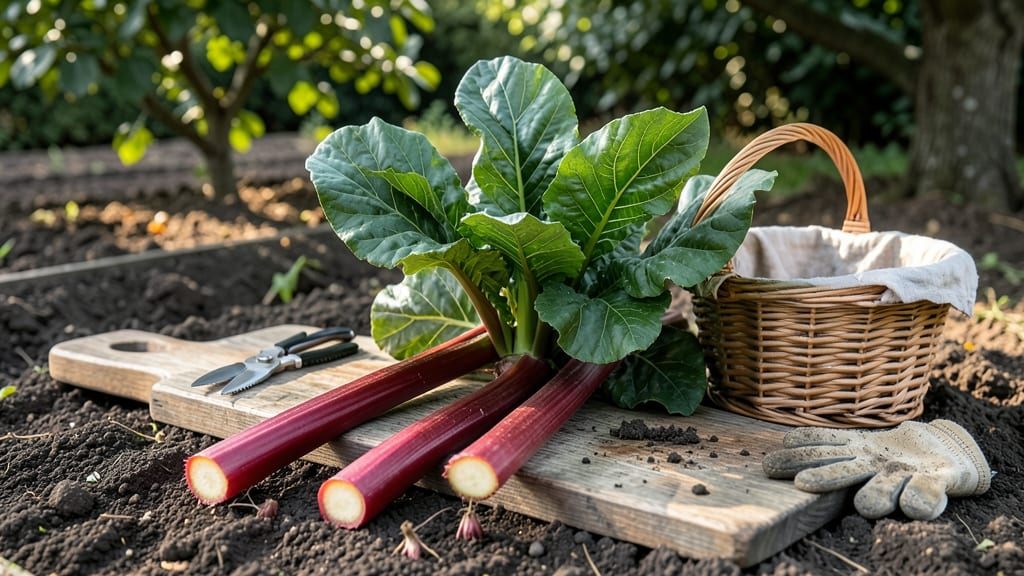
Timing the harvest of rhubarb 🌱 can transform your garden from tough, bitter stalks to sweet, tender treats that taste like early summer.
Picture this: you’ve waited months for those deep red or green stalks to emerge, only to pull one and find it woody or underdeveloped. That’s the difference between a rewarding harvest and a frustrating one—and it all comes down to knowing when to cut.
Rhubarb thrives in cooler weather, so the best time to harvest is in spring and early summer, typically between April and June in most regions. But here’s the catch: stalks need to be the right size, color, and firmness to ensure both flavor and future plant health.
In this guide, I’ll walk you through the exact signs to look for—stalk thickness, color depth, and crispness—plus how to adjust for your climate zone. By the end, you’ll know exactly when to snip for the juiciest, most vibrant rhubarb your garden has ever produced.

How to identify perfectly ripe rhubarb stalks by size, color & firmness
Harvesting rhubarb at the right moment transforms your garden bounty into tender, crisp stalks perfect for pies, compotes, or fresh eating. The key lies in three simple checks: stalk size, color intensity, and firmness.
When you master these cues, you'll avoid the disappointment of woody, underripe stalks or overly fibrous ones. I've learned the hard way—overharvesting too-early stalks leaves you with regretful rubbery textures!
Start by focusing on stalk diameter. Ideal rhubarb stalks should measure between 8 to 12 inches in length. Younger stalks under 6 inches are still developing and will be bland or tough.
For most varieties, this size indicates the plant has allocated enough energy to sweeten the stalks while maintaining structural integrity. Measure a few stalks to get a sense of your plant's maturity cycle—some early varieties may reach harvest size sooner.
Next, examine the color signals that reveal ripeness. Traditional red varieties should display a deep pink or magenta hue, especially near the base where the stalk meets the leaf. Green varieties, like 'Green Stem' or 'Victoria', develop a rich emerald green when ready.
Avoid stalks with pale or yellowish tinges—they're either underripe or stressed. Pro tip: The deeper the color, the more tart and flavorful your rhubarb will be!
Don't overlook the firmness test. A perfectly ripe stalk should feel crisp and firm to the touch, almost like a fresh celery stalk. If it bends easily or feels mushy, it's past its prime.
Gently squeeze the stalk—if it springs back immediately, it's ready. Softness often signals overmaturity, which leads to stringy texture. This test is especially crucial in humid climates where stalks can become waterlogged.
| Harvest Cue | Ideal Specification | What to Avoid |
|---|---|---|
| Stalk Size | 8-12 inches long, ½-1 inch diameter | Under 6 inches (tough) or over 14 inches (woody) |
| Color Intensity | Deep pink/magenta (red) or rich green | Pale yellow or dull shades (stressed) |
| Stalk Firmness | Crisp, snaps cleanly when bent | Soft, mushy, or rubbery texture |
| Leaf Development | Fully unfurled but not wilted | Curled or yellowing leaves (nutrient stress) |
| Harvest Season | Late spring to early summer (April-June) | Before last frost or after first frost |
Seasonal timing variations play a crucial role in determining ripeness. In cooler climates (USDA zones 3-5), rhubarb often reaches harvest readiness 2-3 weeks earlier than in warmer zones.
My rhubarb in Zone 5 typically hits peak ripeness by early May, while in Zone 8, it might stretch into late June. Always check local frost dates—harvesting before the last spring frost ensures tender growth, while waiting too long risks toughening stalks.
One common mistake I see is harvesting based solely on leaf size. While large leaves indicate maturity, they don't guarantee stalk quality. Focus instead on the stalk-to-leaf ratio: the stalk should be thickest at the base where it meets the leaf.
Thin stalks at the base mean the plant is still directing energy to leaf growth rather than stalk development. This ratio is your secret weapon for consistent harvests!
For red varieties, pay special attention to the base color. The most flavorful stalks develop a deep burgundy hue at the bottom—this is where the highest concentration of anthocyanins (the compounds that give rhubarb its signature tartness) accumulate.
Green varieties, meanwhile, should have a uniform vibrant green without streaks of yellow. Any discoloration suggests environmental stress, like inconsistent watering or nutrient deficiencies.
Test your rhubarb's readiness by cutting a stalk at the base with a sharp knife or pruners. Avoid pulling stalks—this can damage the plant. Always leave at least 1-2 inches of stalk attached to the crown to prevent rot and encourage regrowth.
I've found that harvesting every 2-3 weeks during peak season maintains plant health while maximizing yield. Overharvesting weakens the plant and reduces next year's crop.
Remember that first-year plants produce smaller stalks and may take longer to reach harvest size. Be patient—these young plants need time to establish their root systems. In subsequent years, your rhubarb will reward you with larger, more abundant stalks if you follow these ripeness cues.
The first harvest is always the most exciting, but consistency is key for long-term success!
Finally, store freshly harvested rhubarb in the fridge for up to 2 weeks to preserve its crispness. For long-term storage, freeze stalks after washing and drying them thoroughly. Proper timing at harvest ensures your rhubarb stays delicious whether you're using it fresh or storing it for later.
With these techniques, you'll never waste another underripe stalk again!
When to harvest rhubarb for best flavor: seasonal timeline & climate adjustments
Rhubarb is a patient plant—it takes time to mature, but once it does, the harvest window is short and sweet. In most USDA zones 3-9, the prime harvest period spans from late spring to early summer, but exact timing depends on your local climate and rhubarb variety.
Early varieties like 'Early Red' or 'Victoria' may be ready as early as April, while late varieties like 'Valentine' or 'German Red' can extend into June.
Temperature plays a critical role in ripening. Rhubarb thrives in cooler weather (50-70°F), and stalks develop best when nights stay chilly. If your area experiences unseasonably hot spells, stalks may grow too quickly, becoming tough and fibrous.
Conversely, in cooler climates (zones 3-5), you might start harvesting a week or two earlier than in warmer zones (7-9).
To extend your harvest season, focus on soil temperature and shade management. Rhubarb roots prefer cooler soil, so mulch with straw or shredded leaves in early spring to slow warming.
In hotter zones (8-9), provide afternoon shade with lightweight fabric to prevent stalks from bolting or turning bitter. This can push your harvest window back by 3-4 weeks in ideal conditions.
One common mistake is harvesting too aggressively early in the season. Never remove more than one-third of the stalks at a time, especially in the first year. Young plants need all their energy to establish strong roots.
In subsequent years, you can harvest more frequently, but always leave at least 3-4 stalks to sustain the plant. This ensures next year’s crop will be just as productive.
Pro tip: Mark your harvest calendar based on your first frost date. Rhubarb goes dormant in fall, so if you live in zone 4 and your first frost is October 15, aim to finish harvesting by mid-September.
In warmer zones (7-9), you might squeeze in a late harvest until early November, but avoid cutting after the first hard frost, as it stresses the plant.
By aligning your harvest with these seasonal cues, you’ll enjoy sweeter, more tender rhubarb while keeping your plant healthy for years to come. The key is patience—rhubarb rewards careful timing with bold flavors and lush regrowth.