
Picking
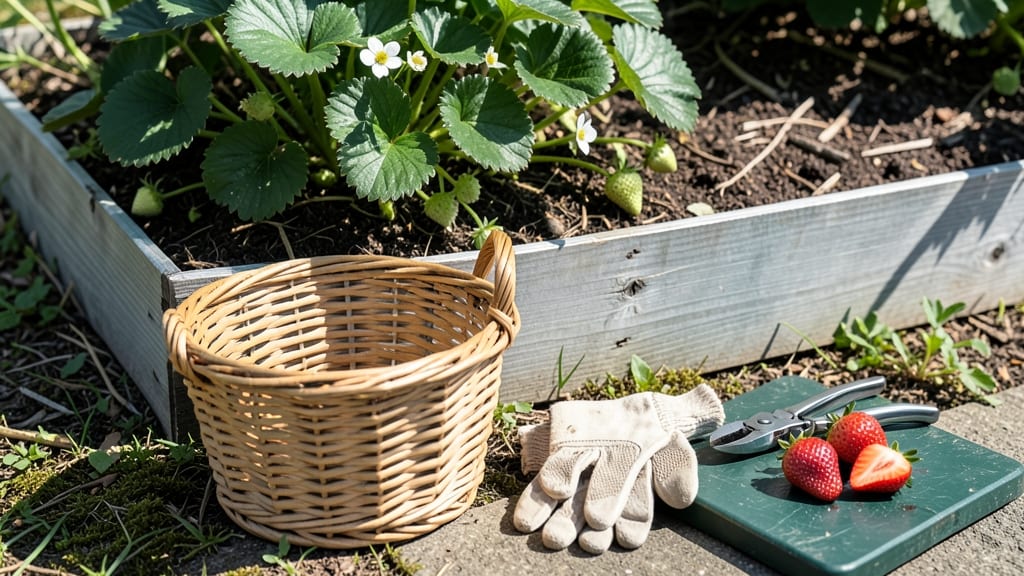
Knowing the exact harvest time for strawberries 🍓 is the difference between a berry that’s tart and one that bursts with sweetness—so don’t miss the window.
Nothing beats the taste of a strawberry plucked at its sweetest, yet many gardeners pick too early, missing the peak flavor. The right moment comes down to three simple tests: color, firmness, and aroma. Get them wrong, and you’re left with berries that are underripe or overripe.
In Zone 6, where most home gardeners grow strawberries, the harvest window typically opens in late June for June-bearing varieties, while everbearing types may produce a second batch in late summer or early fall. But timing isn’t just about the calendar—it’s about the plant’s signals.
Below, I’ll walk you through the three science-backed tests to determine when your strawberries are ready, plus how to extend your harvest season and store freshly picked berries for maximum flavor. No more guesswork—just perfectly ripe fruit every time.

3 Science-backed tests to determine strawberry harvest time
Timing your strawberry harvest perfectly ensures peak sweetness and maximum yield. The difference between a slightly underripe berry and one ready to eat can be dramatic—especially for June-bearing varieties like Chandler or everbearing types such as Seascape.
Science shows three key tests determine readiness: color, size, and firmness. Each test reveals critical clues about flavor, sugar content, and structural integrity.
Understanding these tests isn’t just about avoiding bland berries—it’s about optimizing your harvest window. For example, June-bearing strawberries ripen all at once, while everbearing varieties produce fruit in waves.
Climate also plays a role: cooler regions may need to wait longer for full color development, whereas warmer zones might see berries ripen faster. Mastering these tests ensures you never miss the sweetest moment of the season.
Why these tests matter: The color test indicates chlorophyll breakdown and sugar accumulation. The size test ensures the berry has reached its genetic potential. The firmness test reveals cell structure and juice content. Together, they create a foolproof system for harvesting at peak ripeness, whether you’re growing Albion in Zone 5 or Seascape in Zone 9.
| Test | Key Indicator | Why It Matters | Best For |
|---|---|---|---|
| Color Test | Deep red or fully pink | Chlorophyll breakdown = sugar conversion | June-bearing & everbearing |
| Size Test | Full genetic potential | Ensures maximum yield and sweetness | All varieties |
| Firmness Test | Slightly soft when squeezed | Cell integrity = juice content and texture | Day-neutral & everbearing |
The color test is your first line of defense against underripe strawberries. Look for a uniform deep red or fully pink hue—no green or white patches. This indicates the berry’s chlorophyll has broken down, allowing sugars to develop fully.
For everbearing varieties, this test is especially critical because their fruit ripens in multiple flushes. In cooler climates (like Zone 5), wait until the berry is fully colored before picking, as slower growth can delay sugar accumulation.
Next, apply the size test to confirm the berry has reached its genetic potential. Measure against the variety’s expected size: Chandler strawberries, for example, should be about 1.5–2 inches in diameter. Undersized berries often lack the sugar concentration of fully mature ones.
This test is particularly useful for June-bearing varieties, which produce all their fruit at once. If you harvest too early, you risk a smaller yield and less flavorful berries.
The firmness test reveals the berry’s internal structure and juice content. Gently squeeze the berry—it should yield slightly but not squish like overripe fruit. This firmness indicates the cells are fully hydrated and packed with flavor.
For day-neutral varieties like Seascape, this test helps distinguish between ready-to-eat berries and those that need a few more days. Overly firm berries are underripe, while mushy ones are past their prime.
Climate plays a surprising role in these tests. In warmer zones (Zone 8+), strawberries may ripen faster, so monitor the color test closely—don’t wait too long or risk bird damage. In cooler zones (Zone 4-6)firmness test longer, as slower growth can delay softening.
For everbearing varieties, rotate through all three tests as new fruit appears throughout the season. This ensures you’re always picking at the peak of ripeness.
Pro tip: Combine these tests with morning harvests for the best flavor. Berries picked in the cool morning hours retain more moisture and sweetness. Avoid harvesting after rain, as wet berries are more prone to rot and mold.
If you must pick in wet conditions, use clean shears and let the berries dry completely before storing.
For June-bearing varieties, time your harvests carefully—the entire crop ripens within a 2–3 week window.
Use the color test as your primary guide, but double-check with the firmness test to avoid overripe berries. Everbearing varieties, on the other hand, produce fruit in multiple waves, so rotate through all three tests as new berries appear.
This approach maximizes your harvest and ensures every strawberry is at its sweetest and juiciest.
Remember, the goal isn’t just to pick ripe strawberries—it’s to transform your garden into a flavor factory. By mastering these three science-backed tests, you’ll unlock the true potential of your strawberry plants, whether you’re growing Albion in a home garden or Seascape in containers
How to harvest strawberries for maximum sweetness (and avoid these 3 mistakes)
Timing your strawberry harvest is an art that separates tart disappointment from bursting sweetness. The best time to pick strawberries isn't just about color—it's about a combination of visual cues, tactile feedback, and even the time of day.
In my Zone 6 garden, I've learned that harvesting at the wrong moment can ruin weeks of care in seconds.
Most gardeners make the same three mistakes: picking based on calendar dates instead of ripeness, using forceful methods that damage plants, or harvesting when berries are overripe and prone to spoilage.
Each of these errors can turn your perfect crop into a mushy mess. Let's fix that by mastering the ideal harvest technique.
⚠️ Harvest Warning: These 3 Mistakes Ruin Your Strawberries
- Picking in the rain: Wet berries bruise easily and develop mold. Always harvest on dry, sunny mornings.
- Twisting stems: This damages the plant and leaves the stem attached, creating entry points for disease and pests.
- Ignoring size cues: Small, red berries are often underripe—wait for full plumpness.
Pro tip: Use a clean pair of scissors or your thumbnail to snip stems cleanly, leaving no stubs behind.
Start your harvest routine in the early morning, between 7-9 AM, when temperatures are cool and dew has evaporated. This timing preserves flavor and texture while preventing the berries from overheating.
I always harvest my June-bearing varieties first, as they ripen all at once, followed by everbearing types that produce sporadically throughout the season.
To pick strawberries properly, avoid twisting the stems—this can damage the plant's fruit-producing crown. Instead, use your thumb and forefinger to gently pinch the stem just above the berry.
For larger harvests, a pair of clean pruning shears works best. Always leave the calyx (leafy top) intact to protect the berry from bruising during transport.
Never harvest berries that are overripe or moldy, as these can spread disease to your remaining crop. A quick test: if the berry feels too soft or leaves a stain on your fingers when squeezed, it's past its prime.
Overripe strawberries also attract fruit flies, which can devastate your garden. When in doubt, wait another day—ripe strawberries won't get sweeter overnight.
Extend your harvest season by choosing the right varieties for your climate. In cooler zones like mine, everbearing types like Seascape produce two crops: one in early summer and another in fall.
For maximum sweetness, always harvest berries when they're fully colored, plump, and have a slightly fragrant aroma. Store them in a single layer in the fridge for up to 3 days to maintain freshness.