
Vegetables
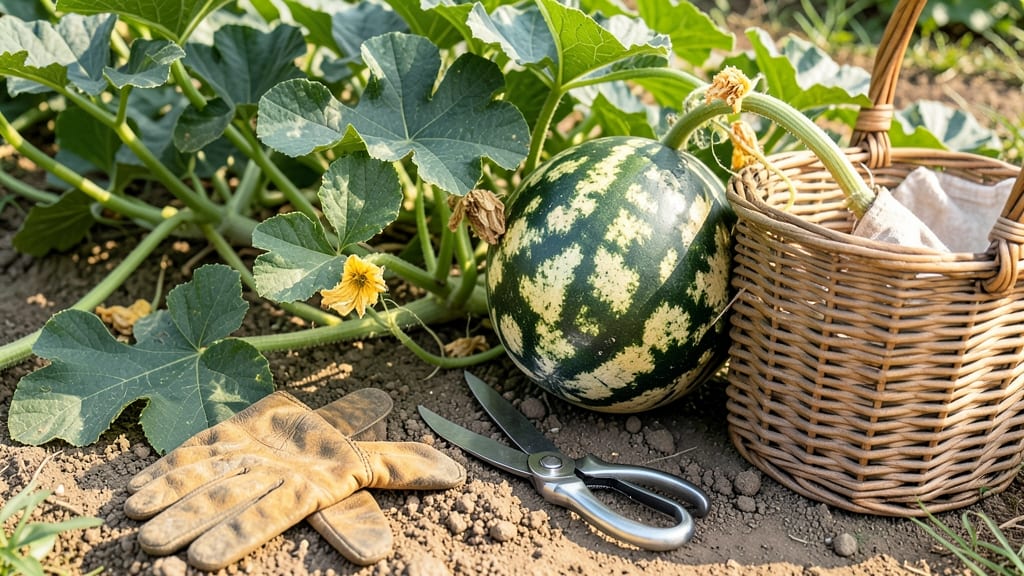
Knowing the harvest time for watermelon 🍉 means the difference between sweet, juicy perfection and a bland, watery disappointment.
Picture this: you’ve spent weeks tending to your vines, and now the big moment is here. But how do you know when that watermelon is truly ready?
Picking too early means underripe, seedy frustration—waiting too long risks overripe mush. The key is spotting three unmistakable cues that tell you it’s time to harvest.
Most gardeners focus on size or color, but those aren’t always reliable. Instead, I’ll show you how to read the tendrils, test the rind, and even listen for the telltale hollow sound that guarantees ripeness.
These tricks work for every variety, from seedless to heirloom, and they’ll save you from the guesswork that leads to wasted fruit.
By the end, you’ll harvest your watermelons with confidence—no more slicing into disappointment. Let’s dive into the foolproof signs that your watermelon is ready to pick.

3 Visual cues to identify perfectly ripe watermelons
Nothing beats the satisfaction of harvesting a watermelon at its peak ripeness—juicy, sweet, and bursting with flavor. But how do you know when it's ready? Many gardeners rely on guesswork, leading to either underripe (bland) or overripe (grainy) fruit.
The key lies in three visual cues that reveal the perfect harvest time without cutting the fruit open. These signs are foolproof once you know what to look for.
First, focus on the rind color. A watermelon's skin isn't just for show—it's a dead giveaway for ripeness. The deepening color and pattern clarity are your first clues. For example, a dark green rind with crisp white stripes or a solid dark green hue signals maturity.
Lighter or uneven colors mean the fruit needs more time. This visual cue is especially critical for varieties like 'Sugar Baby' or 'Crimson Sweet', where color shifts dramatically as they ripen.
Next, check the ground spot—the area where the watermelon rested against the soil. When ripe, this spot should turn from creamy white to a yellowish or buttery hue. This color change indicates the fruit has absorbed enough sugars and is ready to harvest.
A dull or pale ground spot means the watermelon isn't ripe yet. Pro tip: Press your thumb gently on the ground spot. If it feels slightly soft but resilient, that's another sign of ripeness.
| Ripeness Indicator | Underripe Signs | Perfectly Ripe Signs | Overripe Signs |
|---|---|---|---|
| Rind Color | Light green or uneven | Deep, uniform color (dark green, striped, or solid) | Dull or fading color |
| Ground Spot | Creamy white or pale | Yellowish or buttery hue | Sunken or discolored |
| Stem Tendril | Green and flexible | Brown, dry, and brittle | Fallen off or rotting |
| Sound When Tapped | Dull or flat | Hollow or deep "thump" | Mushy or hollow with no resistance |
The third and most overlooked clue is the stem tendril. This curly vine near the fruit's stem is your secret weapon. When ripe, the tendril should be dry, brown, and brittle. Give it a gentle tug—if it snaps easily, your watermelon is ready.
A green or flexible tendril means the fruit needs more time. This cue is especially reliable for heirloom varieties, which often have longer maturation periods. Ignoring this sign is a common mistake that leads to underripe watermelons.
Combine these three visual cues for the most accurate ripeness assessment. For example, a deep green rind with a yellow ground spot and a brown stem tendril guarantees a sweet, juicy watermelon.
If one cue is off—like a green tendril but a yellow ground spot—wait a few more days before harvesting. This method works for both seeded and seedless varieties, making it universally applicable.
Regional growing conditions can slightly alter these cues. In hotter climates, watermelons may ripen faster, so monitor the ground spot closely. In cooler zones, the rind might take longer to deepen in color.
Adjust your expectations based on your local climate, but these visual cues remain your best guide. For instance, in USDA Zone 9, watermelons often ripen earlier than in Zone 7, so check for these signs sooner.
One final pro tip: Avoid relying solely on size or days since planting. A watermelon can be full-sized but still underripe, or small but perfectly sweet. The visual cues above trump these less reliable indicators.
For example, a 'Moon and Star' watermelon might reach harvest size in 70 days, but its rind and tendril won't be ready until 75 days. Always prioritize the rind, ground spot, and stem tendril over other factors.
Mastering these three visual cues will transform your watermelon harvest from hit-or-miss to consistently delicious. Next time you're in the garden, take a closer look at the rind color, ground spot, and stem tendril—your taste buds will thank you.
With practice, you'll spot these signs in seconds, ensuring every watermelon you harvest is a flavorful success.
How to test watermelon ripeness without cutting it open
I’ve learned the hard way that size and color alone aren’t reliable indicators for watermelon ripeness. A melon can look perfect but taste like water, or worse, be overripe and mushy.
Instead, I rely on three non-destructive tests that work every time. These methods save me from slicing into disappointment and ensure I harvest at peak sweetness.
The first trick is the field spot—that creamy yellow patch where the watermelon rests on the ground. When ripe, this spot turns from white to a deep cream or buttery yellow. It’s nature’s way of signaling sweetness, so always check this area before making a decision.
Pair this with the tendril test: the small vine near the stem should turn brown and dry out completely.
⚠️ callout warning
Waiting for a watermelon to get too large or too soft is a common mistake. Overripe watermelons develop a fermented smell near the stem and turn spongy when pressed. Once the rind starts cracking or the field spot turns brown, it’s past prime. Harvest when the tendril is brown and the rind is firm—don’t wait for "just a little longer."
The thumping test is my favorite because it’s instant feedback. Give the watermelon a firm tap with your knuckles—it should sound deep and hollow, like a drum. If it thuds softly, it’s not ready.
Pro tip: tap near the field spot for the most accurate reading. This method works best on hard, dry ground, not soft soil.
Don’t overlook weight as a key indicator. A ripe watermelon feels heavy for its size, thanks to high water content and sugar development. Lift it gently—if it feels light, it’s underripe. Pair this with a fingernail test: press your nail into the rind near the field spot.
If it doesn’t puncture easily, the melon is ready. Soft spots mean it’s past its prime.
Here’s the kicker: size doesn’t matter. Some varieties, like sugar baby watermelons, stay small but pack maximum sweetness. Others, like Crimson Sweet, can grow large before reaching peak ripeness.
Always prioritize the field spot, tendril color, and thump test over assumptions about size. These methods have never failed me—once you master them, you’ll harvest watermelons like a pro.
Now you’re equipped to pick the perfect watermelon every time—no guesswork, no wasted fruit. Grab your melon when it passes all three tests, and enjoy that sweet, juicy reward of your gardening efforts. 🍉