
Vegetables
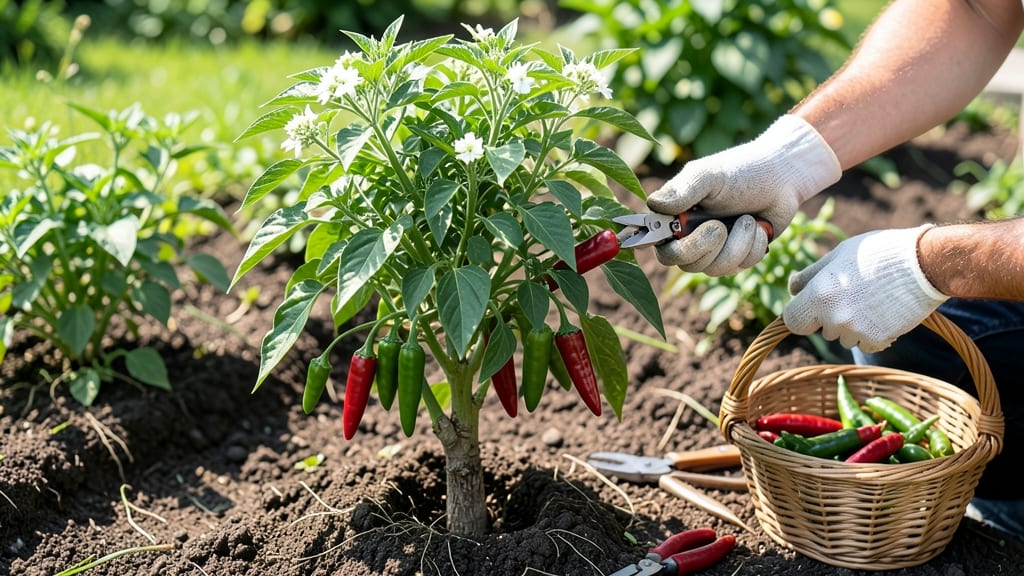
The Hatch chile harvest season transforms your garden into a fiery treasure trove—but missing the window means losing peak flavor, spice, and even future crops.
Picture this: your 🌶️ plants laden with glossy pods, the air thick with their earthy scent. That’s not just any harvest; it’s the moment when heat levels peak and storage potential skyrockets.
But timing is everything—pick too early, and you’ll sacrifice intensity; wait too long, and the pods toughen or shatter.
In Hatch Valley, New Mexico (USDA Zone 8a), the harvest stretches from July to October, but the ideal window shifts based on color—green for milder heat, red for boldest flavor.
Whether you’re planning for fresh eating, drying, or fermenting, knowing these cues ensures you don’t leave spice on the vine.
Below, I’ll break down the exact signs of ripeness, regional tweaks for your climate, and the game-changer storage methods that lock in that legendary Hatch chile punch all year.


Hatch chile harvest season timeline: when to pick for optimal spice & flavor
Timing your Hatch chile harvest correctly transforms a simple pick into a flavor explosion. These New Mexico-grown peppers reach their peak spice and sweetness at specific color stages, but regional climates—especially Hatch Valley’s high desert conditions—shift those windows dramatically. Miss the mark, and you risk bland pods or wasted potential.
In USDA Zone 8a (like Hatch), most varieties like Big Jim or Chocolate hit harvest between mid-July and October, but cooler zones may delay ripening by 2-4 weeks. Understanding these color-stage cues ensures you harvest at the perfect moment for both fresh eating and storage longevity.
Here’s the critical timeline broken down by pod color, regional adjustments, and how ripeness affects heat levels and storage potential:
| Stage | Color | Pod Size | Heat Level | Harvest Window (Hatch) | Storage Potential |
|---|---|---|---|---|---|
| Green | Pale to dark green | 4-6 inches | Mild (1,000-2,500 SHU) | July-August (60-75 days) | Fresh use only (3-5 days) |
| Breaker | Green with red streaks | 6-7 inches | Moderate (2,500-5,000 SHU) | Late August-Sept | Fresh or ferment (1-2 weeks) |
| Red | Deep red | 7-8 inches | High (5,000-10,000 SHU) | Sept-October (90+ days) | Drying/freezing (6+ months) |
| Purple/Black | Dark purple/black | 6-7 inches | Sweet (500-1,500 SHU) | Late August-Sept | Fresh or roasting (1 week) |
In Hatch Valley, where high desert heat accelerates ripening, red Hatch chiles often peak by early October.
But if you’re gardening in Zone 7 or cooler, expect that red stage to stretch into November—or never fully ripen without frost protection. Green or breaker-stage pods are still harvestable and pack milder heat, making them ideal for salsas or fresh eating.
Ripeness isn’t just about color—it’s about texture and stem separation. A ready-to-harvest pod should snap cleanly when you twist it from the stem, and the skin should feel firm yet slightly glossy.
Overripe pods (leathery or cracked) lose flavor and spice intensity, while underripe pods (soft, waxy) lack the depth of flavor that defines Hatch chiles.
Regional climate plays a huge role in heat development. In New Mexico’s dry heat, chiles develop higher Scoville ratings (up to 10,000 SHU for reds) compared to cooler, humid zones where heat may plateau at 5,000 SHU.
To maximize spice, ensure your plants get consistent sunlight (6+ hours daily) and avoid overwatering, which dilutes flavor.
Storage potential varies wildly by ripeness. Red and purple chiles dry beautifully, retaining heat and sweetness for 6
How to maximize Hatch chile regrowth for multiple harvests in one season
Extending your Hatch chile harvest season means more spicy rewards without replanting. With the right pruning techniques and seasonal care adjustments, you can coax your plants into producing fruit well into fall.
The key lies in understanding when to prune for bushier growth and how to support those heavy chile pods as they mature.
First, focus on pruning for regrowth—this isn’t about cutting back for aesthetics. Strategic pruning redirects energy from flowering to leaf production, which means more fruit-bearing branches later.
Start by removing any yellowing leaves or damaged stems to keep the plant healthy and focused on new growth. This is especially important after your first harvest wave.
Step-by-Step Guide to Extend Your Hatch Chile Harvest
-
Step 1: Prune After First Harvest
Remove 1/3 of the oldest leaves and flowers to encourage new growth. Do this 2-3 weeks after harvest when the plant shows signs of recovery. -
Step 2: Install Sturdy Stakes or Cages
Use bamboo stakes or tomato cages to support heavy fruit loads. Secure them early to prevent stem breakage as pods mature. -
Step 3: Fertilize for Regrowth
Apply a balanced fertilizer (5-10-10) 4-6 weeks after pruning. Focus on nitrogen-rich feeds to promote leafy growth for future fruit. -
Step 4: Adjust Watering for Prolonged Growth
Increase watering to 1-2 inches per week during peak regrowth (July-August). Reduce slightly in late summer to harden off plants before fall. -
Step 5: Monitor for Pests/Diseases
Watch for aphids or powdery mildew. Treat early with neem oil or insecticidal soap to avoid stressing the plant during regrowth.
Don’t forget to adjust your care routine as the season progresses. In late summer, reduce watering slightly to prepare plants for fall’s cooler temperatures. This helps them harden off and focus energy on ripening existing fruit rather than new growth.
Mulch around the base with straw or grass clippings to retain moisture and regulate soil temperature.
For heavy fruit loads, consider trellising techniques. Use soft ties or cloth strips to gently secure branches to stakes—this prevents stem damage while allowing the plant to grow upward. This method also improves air circulation, reducing the risk of fungal infections that can stunt regrowth.
With these techniques, you can extend your Hatch chile harvest season by 4-6 weeks, giving you a steady supply of fresh, flavorful peppers. The key is balance: prune wisely, support the plant, and adjust care as the season changes.
Your efforts will pay off with a longer harvest window and healthier plants for years to come.