
Vegetables
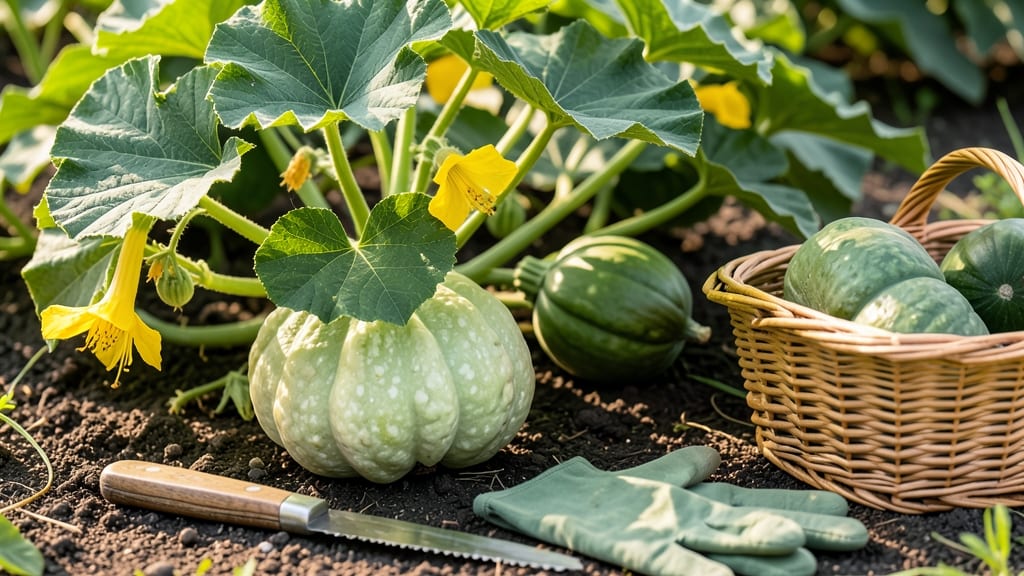
Harvesting patty pan squash 🎃 at the right moment turns a hard, bitter vegetable into a tender, sweet treasure—so knowing when to harvest is everything.
Picture this: you’ve waited all summer, and now your plants are loaded with those adorable, flat squash. But if you pick too soon, they’re tough and bland; too late, and they turn woody or even rot on the vine.
The trick? A simple finger-press test and a few other telltale signs that guarantee peak flavor every time.
This isn’t just about size—though a 4- to 6-inch diameter is a good rule of thumb. It’s about color, texture, and even how the stem separates from the vine.
Miss these cues, and you’ll end up with squash that’s either underripe or overripe, ruining your harvest before it even hits the kitchen.
Below, I’ll walk you through the exact steps to test for readiness, plus how to store your harvest so it stays fresh for weeks. No more guesswork—just perfect patty pans every time.
How to use the finger-press test for perfect patty pan squash harvest time
Harvesting patty pan squash at the right moment ensures sweet, tender flesh instead of bitter, fibrous disappointment. The finger-press test is my go-to method because it combines texture, color, and size cues into one simple action.
Unlike zucchini, which can be harvested young, patty pans need that perfect balance of firmness and ripeness.
Start by selecting a fully formed squash with its scalloped edges clearly defined. The skin should be smooth but not hard, and the color—whether yellow, green, or striped—should be deep and consistent.
These visual clues set the stage for the finger-press test, which reveals whether the squash is truly ready.
Here’s how to perform the test correctly to avoid overripe or underripe mistakes:
Timing is critical because patty pan squash ripen quickly once they reach maturity. In hot climates, they may go from perfect to overripe in just 2–3 days.
If you’re in a cooler region, they might take longer to ripen fully. Always harvest in the morning when temperatures are lower to preserve quality.
One common mistake is harvesting too early because the squash looks small. But size isn’t the only factor—flavor and texture matter more. Early harvests often result in watery, bland squash that lacks the sweetness of a properly ripened one.
Conversely, waiting too long leads to hard, seedy interiors and a bitter taste.
Pro tip: Harvest every 2–3 days during peak production to encourage more squash to mature. This prevents the vine from becoming overloaded, which can stunt future yields. Keep an eye on the oldest squash first, as they’ll ripen ahead of newer ones.
If you’re unsure whether a squash is ready, cut it open. A perfect patty pan will have thin seeds and bright, tender flesh. Overripe ones have thick, woody seeds and a dull, grainy texture. This quick check saves you from disappointment in the kitchen.
Store harvested squash in a cool, dry place (like a ventilated basket) for up to 2 weeks. For longer storage, refrigerate them in a paper bag to maintain freshness. Avoid plastic bags, as they trap moisture and speed up spoilage.
Size, color, and stem signs: complete checklist for harvesting patty pan squash
Patty pan squash 🎃 ripens quickly, so knowing the exact size, color, and stem signs means the difference between a sweet, tender harvest and a tough, bitter one.
The ideal time to pick is when the squash reaches 4 to 6 inches in diameter—this is when their flavor peaks and texture becomes just right. Smaller than 4 inches, and they’re still developing; larger than 6 inches, and they risk becoming fibrous or even woody.
Color is your next clue: yellow, green, or striped varieties all deepen in hue as they mature. Look for a rich, even tone—no pale spots or uneven patches.
For example, yellow patty pans should turn a vibrant golden yellow, while green varieties should darken to a deep, glossy green. If the color fades or looks dull, the squash is overripe and past its prime.
Here’s where the stem test comes into play. Gently twist the squash to separate it from the vine—it should come off cleanly with a slight dry sound, not a wet or sticky one. If the stem resists or tears, the squash isn’t ready yet.
Overripe squash may detach too easily, leaving a hollow stem behind. This test is your fail-safe for determining readiness, especially if you’re unsure about size or color alone.
Climate plays a surprising role in ripening speed. In warmer climates, patty pan squash matures faster—often in just 50 to 55 days—so you’ll need to check for readiness more frequently.
In cooler regions, the process slows down to 60 to 70 days, giving you a longer window to monitor growth.
Pay attention to your local frost dates: if the first frost is approaching, prioritize harvesting even if the squash aren’t perfectly sized, as cold temperatures can ruin their flavor.
One final tip: avoid harvesting in the heat of the day. Wait until morning when temperatures are cooler—this prevents bruising and helps the squash retain moisture. Use a sharp knife or pruners to cut the stem, leaving a small portion attached to protect the squash from rot.
Store them in a cool, dry place (like a pantry) for up to a week, or refrigerate for longer storage.
Now that you’ve mastered the checklist, you’re ready to enjoy patty pan squash at its sweetest—no more guesswork, just perfect harvests every time! 🌱