
How To
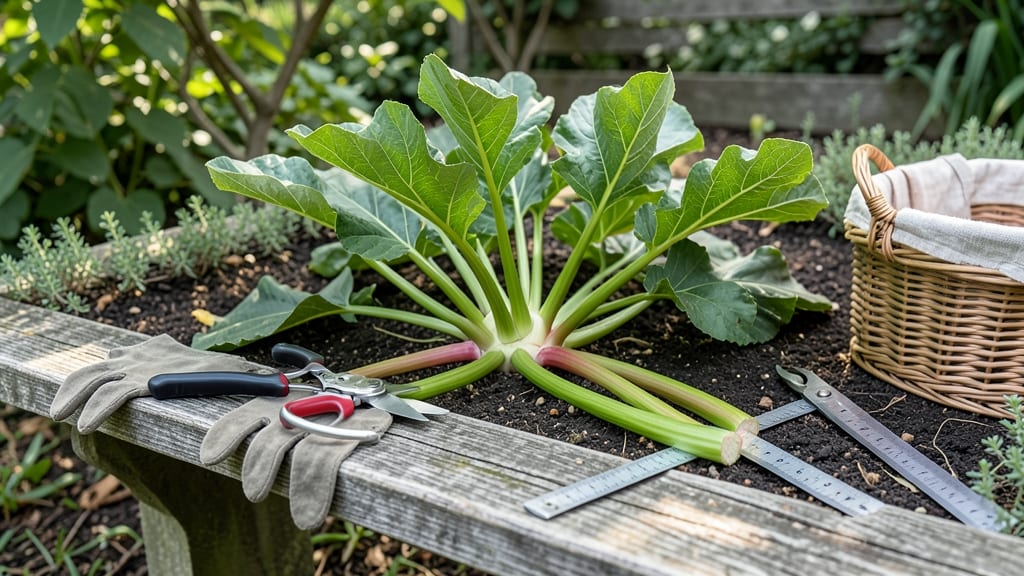
Harvesting rhubarb at the right time and with the right technique turns tart stalks into sweet, tender treats 🌱 — and skipping these steps means wasting your garden’s potential.
Picture this: you’ve waited all spring for your rhubarb to mature, only to pull a tough, woody stalk that tastes like cardboard. That’s the difference between a perfect harvest and a frustrating one.
The key? Color, size, and timing—all of which I’ll break down so you never miss peak flavor again.
In Zone 6 (like most home gardens), rhubarb is ready in April and May, but first-year plants need patience. Stalks should be at least 10-12 inches tall, bright pink or red, and firm to the touch—never green (that’s toxic!).
Cut them at the base with clean shears, leaving the leaves to feed the plant for next year’s bounty.
Below, I’ll walk you through the exact signs to look for, how often to harvest without harming your plant, and pro tips to extend your rhubarb season well into summer. Ready to turn your garden into a flavor powerhouse?


When to harvest rhubarb by stem color and size (exact timing guide)
Timing your rhubarb harvest is everything—cut too early, and you get tough, fibrous stalks with bitter flavors. Harvest too late, and the stalks turn woody and stringy. The secret lies in watching for stem color, size benchmarks, and seasonal cues.
For first-year plants, patience is key, while mature rhubarb plants reward you with weeks of harvests if you follow these exact guidelines.
Most gardeners wait until late spring (after the last frost) to start harvesting, but the real magic happens when stalks reach the perfect 10-12 inches long and ½-inch thick. This is when their natural sweetness peaks.
Varieties like 'Victoria' or 'Cherry Red' develop vibrant colors—pink or red stalks—that signal they’re ready, while green stalks (common in 'Green Glow') should still be firm and crisp.
Color is your best indicator, but don’t rely on it alone. A bright pink or red hue means the stalks are ripe, while green stalks (even if large) can taste bland or develop a gritty texture. For red varieties, aim for a deep, even color; for pink or green, look for uniform shading without yellowing or browning. Always cut stalks at the base where they meet the crown, leaving the leaves intact to feed the plant.
First-year rhubarb plants are delicate—they need time to establish roots before you harvest. In their first growing season, avoid cutting stalks entirely unless they’re at least 6 inches tall and ¼-inch thick. Even then, limit yourself to 1-2 stalks to avoid stressing the plant.
By year two, you can harvest up to ⅓ of the stalks, and by year three, a mature plant will produce enough for weekly harvests throughout spring.
Seasonal timing matters just as much as size and color. In Zone 6, start harvesting in late April or early May, when soil temperatures rise above 50°F. Stop harvesting by mid-June to allow the plant to replenish energy for next year.
In warmer climates (Zones 7-9), harvest in winter or early spring to avoid the heat, which causes stalks to become fibrous and tough. Always prioritize cool weather for the sweetest, most tender stalks.
One common mistake is harvesting green stalks because they’re the first to appear. While they’re edible, they lack the bold flavor of colored varieties and can taste gritty or bland. Wait for the pink or red hues to develop fully—this usually takes 4-6 weeks after the first stalks emerge.
If you’re unsure, cut a test stalk and taste it. A perfectly ripe rhubarb stalk should be tart, crisp, and slightly sweet, not bitter or fibrous.
To extend your harvest season, mulch around the base of the plant with straw or wood chips to keep soil cool and moist. This encourages later stalks to develop in early summer. Avoid over-fertilizing, as this can lead to excess leaf growth at the expense of stalks.
A light feeding in early spring with a balanced 10-10-10 fertilizer is enough to support a productive harvest without overstimulating the plant.
Pro tip: Mark your calendar for the first and last harvest dates each year. This helps you track the plant’s growth cycle and ensures you don’t over-harvest. For example, if you start harvesting in mid-May, aim to finish by early July to give the plant time to recover.
With the right timing, a single rhubarb plant can provide harvests for 10-15 years, making it one of the most rewarding perennials in your garden.
Remember, the goal is
Step-by-Step harvesting technique to preserve plant health
Harvesting rhubarb correctly is the secret to decades of productivity from your plants. Unlike many vegetables, rhubarb thrives when you follow a few simple rules about cutting techniques and harvest frequency. The goal?
Preserve the crown while maximizing your yield. I’ve learned the hard way that cutting too aggressively or at the wrong time can turn your rhubarb into a sad, woody mess—so let’s avoid that together.
First, never cut the roots or crown. These are the plant’s energy reserves for next year’s growth. Instead, focus on the stalks only, which are the edible parts. The right tools and timing make all the difference.
Below, I’ll show you exactly how to harvest without harming your plant, plus how often to repeat this process for a bountiful season.
- ✂️ Step 1: Wait for mature stalks – Harvest only when stalks reach 10-12 inches tall and are ½-inch thick. Check for bright pink or red color (never green).
- 🌿 Step 2: Use clean shears or a sharp knife – Avoid tearing the stalk. Cut at a 45-degree angle, 1-2 inches above the ground, leaving the leaf attached.
- 📅 Step 3: Harvest in spring only – Focus on April to early June. Stop harvesting by mid-June to let the plant recover for next year.
- 🌱 Step 4: Leave leaves intact – The leaves photosynthesize, feeding the crown. Never remove them unless they’re yellowed or diseased.
- ⏳ Step 5: Space harvests 2-3 weeks apart – Over-harvesting weakens the plant. Limit to ⅓ of stalks per harvest to maintain health.
After harvesting, store your rhubarb in the fridge for up to 2 weeks, wrapped in a damp paper towel to retain moisture. If you’re lucky enough to have a long growing season, you can extend harvests into early July—but only if your plant looks vigorous.
Look for new stalks emerging from the center; these are your signal to harvest again.
Post-harvest care is just as important as the cutting itself. Water your rhubarb deeply after harvesting to replenish moisture lost during the process. In Zone 6 and warmer, mulch around the base with straw to retain soil moisture and protect the crown from heat stress.
This simple step can add 5-10 extra days to your harvest window.
One of my favorite tricks? Mark your rhubarb bed with stakes to track growth stages. This helps you avoid over-harvesting and ensures you never miss the perfect 10-12 inch stalks.
With this method, my rhubarb plants have thrived for over 10 years, producing sweeter stalks each spring. Your garden can too—just follow these steps faithfully.
Remember, rhubarb is a perennial powerhouse. Treat it well, and it’ll reward you with harvests for decades. Now grab those shears and get ready for the best rhubarb season yet! 🌱