
How To
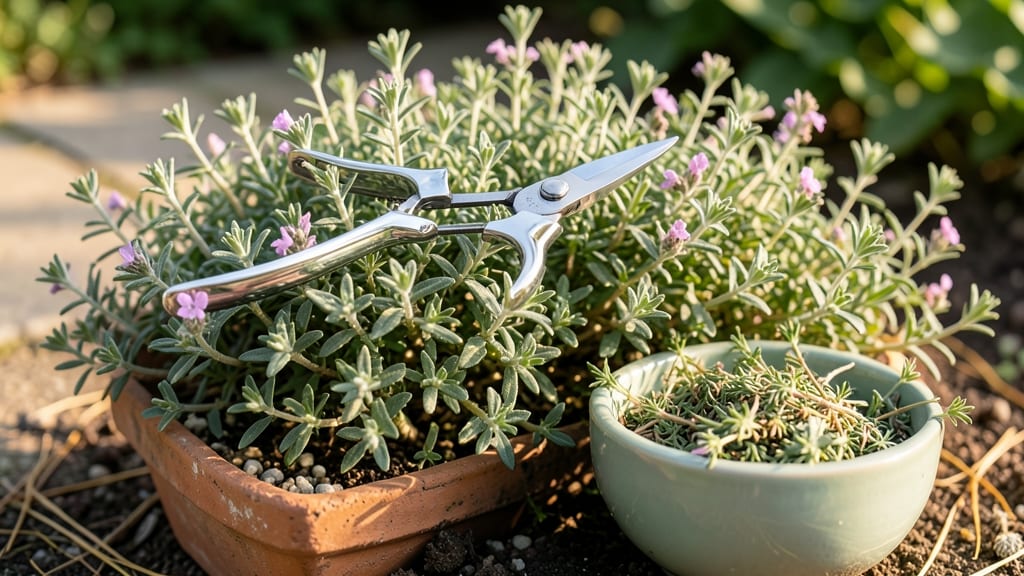
To harvest fresh thyme properly, you’ll want to snip just above the leaf nodes—this simple trick keeps your plant lush and flavorful for years.
Harvesting fresh thyme at the right time ensures a bountiful, flavorful harvest year after year—but most gardeners miss the best technique, leading to stunted growth or weak flavor.
Thyme thrives when you time your cuts right: aim for late spring through early fall, when the plant is actively growing and leaves are fragrant. A sharp pair of scissors or pruners makes all the difference—dull tools crush stems and invite disease.
In this guide, I’ll walk you through the exact steps to harvest thyme without harming the plant, plus tips for drying, storing, and reviving overgrown plants. By the end, you’ll have a thriving 🌿 herb patch that keeps giving.


When and how to harvest thyme for maximum flavor and growth
Harvesting thyme at the right time transforms your herb garden from a simple green patch into a flavor powerhouse. The key is timing—spring through early fall—when your thyme plant is actively growing and packed with the most aromatic oils.
If you harvest too early or too late, you risk weak flavor or even damaging your plant's growth cycle. I've learned the hard way that skipping these steps can leave you with woody stems and sparse foliage by summer's end.
Thyme thrives on regular harvesting, but there's a science to it. You want to encourage bushier growth while preserving the plant's health. The secret lies in where and how you cut.
Many gardeners make the mistake of snipping stems too close to the base, which can leave the plant vulnerable to disease and slow regrowth. Instead, focus on cutting just above leaf nodes—those tiny points where leaves attach to the stem—to stimulate new growth.
How Do You Harvest Fresh Thyme? 5 Key Steps
- 🌿 Timing: Harvest in morning hours after dew dries (8-10 AM) for peak oil content.
- ✂️ Tools: Use sharp pruning shears or clean scissors—never dull tools that crush stems.
- 📏 Cutting: Snip 3-4 inches above soil but always above leaf nodes (never below).
- 🌱 Frequency: Harvest every 4-6 weeks during growing season to prevent flowering.
- ☀️ Season: Avoid harvesting after first frost—thyme goes dormant and flavor fades.
For maximum flavor, aim to harvest thyme just before it flowers. This is when the aromatic oils peak—typically between late spring and early summer. I always check for dark green, dense foliage and a strong fragrance when rubbing leaves between my fingers.
If your thyme smells faint, it's either too young or past its prime. Pro tip: Harvest on a dry morning after dew has evaporated to preserve those precious essential oils.
The frequency of harvesting matters just as much as when you do it. I've found that harvesting thyme every 4-6 weeks during its active growing season encourages bushier growth. This regular pruning prevents the plant from becoming leggy and woody.
Just be sure to never remove more than one-third of the plant in a single session—this keeps your thyme healthy and productive for years.
Winter care is often overlooked, but it's crucial for thyme's long-term health. Once frost arrives, thyme enters dormancy, and harvesting should stop completely. Instead, focus on protecting your plant with a light mulch layer (2-3 inches of straw or shredded leaves) to insulate roots.
In USDA Zone 6a and colder, I've seen thyme revive beautifully in spring if given this winter protection.
Reviving dormant thyme in early spring is easier than you think. Start by pruning back dead growth to encourage new shoots. Increase watering gradually as temperatures rise, and avoid fertilizing until you see new growth emerging.
Within 2-3 weeks, your thyme should bounce back with fresh, aromatic foliage ready for another harvest season.
One common mistake I see is harvesting thyme too close to the base. This can expose the stem to rot and invite pests. Always leave at least 1-2 inches of stem above the soil when cutting.
Another tip: If your thyme looks sparse after winter, try dividing the plant in early spring. This rejuvenates growth and gives you multiple plants from one!
To extend your harvest season, consider growing thyme in containers. Potted thyme can be brought indoors before frost and placed near a south-facing window for continued growth. Just reduce watering significantly—thyme in pots dries out much faster than in-ground plants.
With this method, I've kept thyme producing fresh leaves through late fall and even winter.
Remember, thyme's flavor intensifies when dried, but fresh is always best. If you're drying thyme, bundle stems and hang upside down in a dark, well-ventilated area for 1-2 weeks.
Store dried thyme in an airtight container away from light to preserve its potency. With these techniques, you'll enjoy homegrown thyme with restaurant-quality flavor all year round. 🌿
Step-by-step guide to harvesting thyme without killing the plant
Harvesting thyme correctly isn’t just about snipping leaves—it’s about encouraging healthy regrowth while preserving that bold, aromatic flavor. The key lies in timing, technique, and knowing when to stop.
I’ve learned the hard way that cutting too aggressively or at the wrong time can leave your plant leggy and sparse, but mastering these steps will keep your thyme thriving.
Before you begin, gather your tools: a pair of clean, sharp pruning shears (or small scissors) and a bowl or basket for your harvest. Avoid pulling leaves—this damages the plant. Instead, we’ll focus on precise cuts that stimulate new growth while keeping your thyme lush and productive.
After harvesting, your thyme will need time to recover. Space out cuts every 4-6 weeks during the growing season to avoid stressing the plant. If you’re drying thyme, bundle stems and hang them upside down in a dark, dry place for 1-2 weeks.
Store dried thyme in an airtight container away from light to preserve its potency.
For overgrown or woody thyme, don’t panic—it’s not dead! Give it a renewal prune in late winter or early spring. Cut back all stems by half to stimulate fresh, tender growth. With proper care, your thyme will bounce back stronger than ever, ready for another season of harvests.
Remember, thyme is resilient. With these techniques, you’ll enjoy year-round harvests without sacrificing plant health. Happy snipping! 🌿✂️