
How To
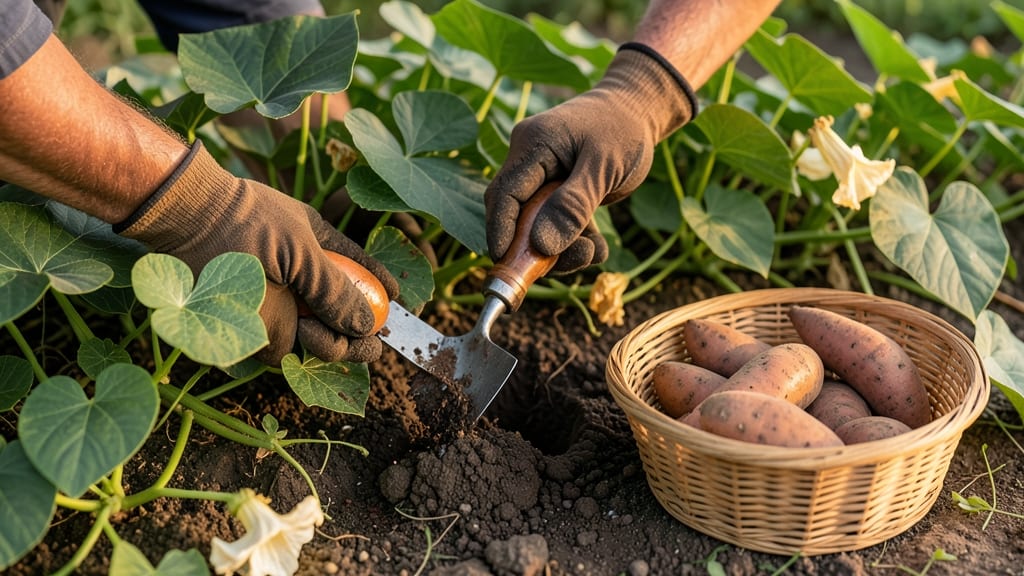
Harvesting sweet potatoes takes between 90 and 140 days after planting 🍠, depending on the variety and growing conditions—but timing is everything for storage-quality tubers.
Picture this: you’ve nurtured your sweet potatoes all season, only to dig them up too early and end up with shriveled, underdeveloped roots, or wait too long and risk frost damage. The key to perfect harvests lies in knowing when to pull them, especially as frost season creeps closer.
Most gardeners in Zone 6a plant their sweet potatoes between April and June, so the harvest window typically falls between September and November. But frost sensitivity means you can’t afford to wait until the last minute—you’ll need to act when the foliage yellows and vine dieback begins.
In this guide, I’ll break down the exact signs of maturity, how to adjust for early or late frosts, and the 3-step process to ensure your tubers store beautifully all winter long.


Sweet potato harvest timeline: days after frost for optimal tubers
Sweet potatoes thrive in warm weather, but their harvest timing becomes critical when frost looms on the horizon. Unlike potatoes, which store starch in underground tubers, sweet potatoes develop edible roots that need 70-120 days of ideal growing conditions.
Frost can turn tender tubers mushy or cause skin damage, ruining storage potential. Understanding your last frost date and adjusting harvest windows accordingly is key to avoiding these pitfalls.
Most sweet potato varieties reach maturity between 90-140 days after planting, but this timeline shifts dramatically if frost arrives early. In USDA Zone 6a, where frost typically hits by late October, gardeners must plan harvests between September 15-October 15 to ensure tubers develop fully.
Late varieties may need protection or earlier planting to meet this window.
| Stage | Days After Planting | Frost Risk Level | Harvest Action |
|---|---|---|---|
| Early Varieties (e.g., Beauregard) | 70-90 days | Low (Zone 7+) | Harvest when leaves yellow; cure immediately |
| Standard Varieties (e.g., Jewel) | 90-120 days | Moderate (Zone 6a) | Dig 2-3 weeks before frost; monitor soil temps |
| Late Varieties (e.g., Georgia Jet) | 120-140 days | High (Zone 5-6) | Use row covers; harvest before 32°F soil temp |
| Post-Frost Emergency Harvest | N/A (after frost) | Critical (all zones) | Dig immediately; cure in warm, dry space |
If you planted slips (young plants) in early May, aim to harvest by mid-September in Zone 6a to avoid frost damage. For direct-sown seeds, which take longer to establish, extend your timeline by 10-14 days.
Early frosts (32°F soil temp) can stunt tuber growth, so monitor 7-day forecasts and adjust harvest plans accordingly.
One common mistake is waiting too long for "perfect" tubers. While larger sweet potatoes store better, leaving them in the ground past their prime risks frost damage or pest infestations.
A better strategy is to harvest when tubers reach 3-6 inches in diameter, even if foliage still looks green. This gives you a buffer of 2-3 weeks before frost arrives.
For gardeners in short-season climates, consider early-maturing varieties like 'Beauregard' (70 days) or 'Hannah' (85 days). These can be harvested before frost while still delivering high yields. Pair them with black plastic mulch to warm soil faster and extend the growing season by 2-3 weeks.
After harvest, sweet potatoes need 10 days of curing at 80-85°F and 80% humidity to develop their sweet flavor and thick skin. If frost strikes before curing, tubers may sprout prematurely or develop soft spots.
Use a well-ventilated garage or propane heater to maintain ideal curing conditions, even in cold climates.
Protecting your harvest doesn't stop at timing. Use row covers or low tunnels to delay frost by 2-4 weeks, giving tubers more time to mature. In extreme cases, harvest early and cure indoors under grow lights. This trade-off ensures storage quality even if tubers aren't fully sized.
Remember: Frost kills foliage but rarely damages tubers directly—unless soil temps drop below 30°F. The real enemy is freeze-thaw cycles, which cause tubers to split or rot.
By planning your harvest 2-3 weeks before frost, you'll avoid these risks while maximizing both yield and storage life.
How to tell when sweet potatoes are ready for harvest (before frost hits)
Sweet potatoes are ready for harvest when their foliage starts showing clear signs of maturity—typically between 90 and 140 days after planting, depending on your variety.
The most reliable indicators are leaf yellowing and vine dieback, which signal the plant is redirecting energy to tuber development rather than leaf growth. This process usually kicks in when daytime temperatures begin to dip, often in late summer or early fall.
Don’t wait until the first frost warning, though—sweet potatoes are extremely frost-sensitive, and even a light freeze can damage tubers still in the ground. Instead, watch for the foliage to turn yellow and wilt naturally, which usually happens 2-4 weeks before frost in most climates.
This timing gives you a window to harvest before cold weather sets in.
⚠️ callout-warning
Yellow leaves can also mean disease or drought, not maturity. Check tuber size—ready tubers are 3-6 inches wide and firm. If leaves yellow but roots are tiny (<2 inches), wait 1-2 weeks before digging.
To confirm readiness, gently dig around the plant’s edges with a hand fork and check for firm, well-developed tubers. The skin should feel tough and resist pressure from your fingernail—a good sign they’re mature.
If the skin is still tender or the tubers are small, wait another week or two. Remember, larger tubers store better, but they’ll stop growing once the foliage dies back.
Soil temperature also plays a role—sweet potatoes grow best in warm soil (60-85°F), but they’ll start maturing when temperatures drop below 75°F. If your area experiences early frosts, aim to harvest when soil temps consistently fall below 70°F at night.
This usually happens 4-6 weeks before the first frost date in most regions.
Once you’ve confirmed maturity, act quickly! Sweet potatoes left in the ground too long after foliage dieback can shrink or develop cracks. Use a garden fork to carefully lift tubers, being mindful of their delicate skin.
Cure them immediately in a warm (80-85°F), humid environment for 5-10 days to develop their sweet flavor and thicken the skin for storage.
If you miss the harvest window and frost hits, don’t panic—though tubers may be damaged, you can still dig them up and use them immediately (like roasting or baking).
For next season, adjust your planting schedule to ensure a 120-day growth cycle before the first frost, or choose early-maturing varieties like ‘Beauregard’ or ‘Georgia Jet’ for shorter seasons.