
How To
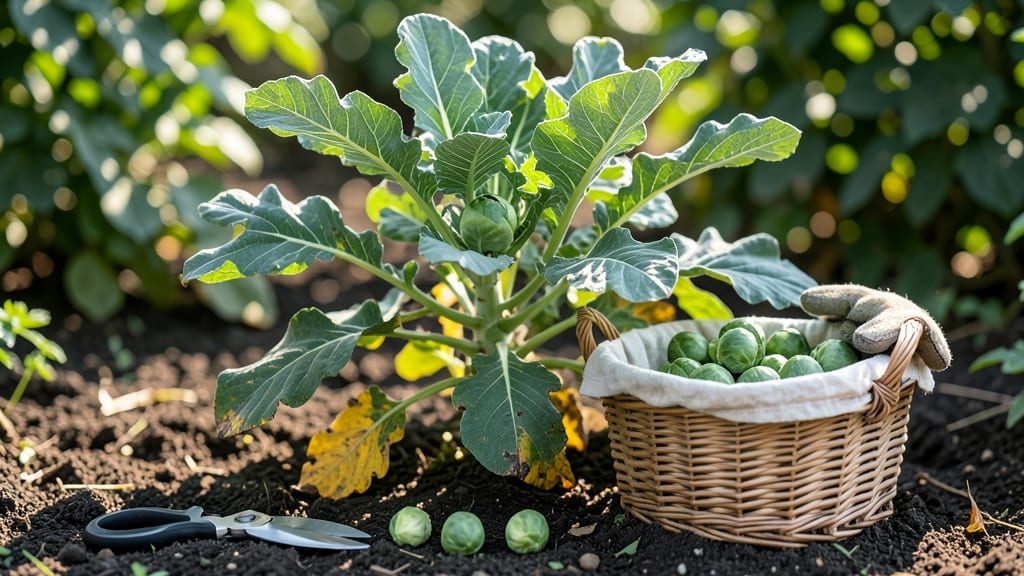
Harvesting brussel sprouts at the right time 🥦 ensures you get tender, flavorful buds instead of tough, bitter ones — and the window to do it is narrower than you might think.
Picture this: you’ve waited months for your 3-foot-tall plants to develop those tiny green treasures, only to realize too late that they’ve either shriveled into woody nuggets or bolted into flowers. The key? Knowing exactly when to harvest — and it’s not just about size.
Brussel sprouts mature over 90 days in cool weather, but the real test is the stem snap (that satisfying crack when you bend a bud). Combine that with the right size and color cues, and you’ll nail the harvest every time — no guesswork required.
In this guide, I’ll walk you through the exact signs to look for, how seasonal frost plays a role, and why timing matters more than you’d expect. Let’s get those sprouts picked at peak perfection.


When to harvest brussel sprouts: the perfect size & stem snap test explained
Harvesting brussel sprouts at the right time transforms your patience into a sweet, tender reward. These little cabbages need precise timing—too early and they're bland and underdeveloped, too late and they become woody or bitter.
The key lies in watching for three critical signs: size, color, and that foolproof stem snap test that tells you "now's the time!"
Most gardeners wait until sprouts reach 1 to 2 inches wide, but don't let that fool you into rushing. The real magic happens when the plant signals maturity through color changes and texture shifts.
I've learned the hard way that ignoring these cues leads to disappointing flavor—so let's dive into what to look for.
| Maturity Stage | Size Guide | Color Indicators | Stem Test | Days to Harvest |
|---|---|---|---|---|
| Early (Not Ready) | <0.75" | Pale green | Green stem end | 70-80 days |
| Ideal (Ready) | 1-2" | Dark green/purple | Yellow stem end | 90-100 days |
| Late (Overmature) | >2" | Yellowing/brown | Woody texture | 100+ days |
🌱 Pro Tip: Harvest from bottom to top to extend your harvest window!
Let's start with the size rule—this is your first checkpoint. When brussel sprouts reach about 1 to 2 inches wide, they're typically ready. But here's the catch: don't judge by the topmost sprouts alone.
The plant produces buds from the bottom up, so the lowest mature sprouts (usually 4-6 inches from the base) are your first targets.
Next, examine the color transformation. As sprouts mature, they shift from pale green to a deeper dark green or purple hue, depending on the variety. The leaves should also start yellowing and dying back—this signals the plant is redirecting energy to the sprouts.
My Ruby Ball variety, for example, turns a stunning deep purple when ready, making it easy to spot.
The stem snap test is my favorite foolproof method. Simply grip a sprout between your thumb and forefinger and give it a gentle twist. If the stem snaps cleanly with a slight resistance, it's ready to harvest.
If it bends without snapping, wait a few days. This test works because mature sprouts have tighter buds and firmer stems—perfect for roasting or sautéing.
Timing is everything when it comes to brussel sprout flavor. Harvest too early, and you'll get small, watery sprouts with minimal sweetness. Wait too long, and they become woody and bitter.
The 90-day mark is a good general guideline for most varieties, but always check the plant's signals first. My Long Island Improved plants, for instance, often need 10-14 extra days in cooler climates.
One common mistake I see is overharvesting at once. Instead, pick sprouts every 2-3 days as they mature. This extends your harvest season and keeps the plant producing. Just be sure to leave at least 4-6 inches between harvested sprouts to allow new ones to form.
Think of it like pruning a bush—you want to encourage continuous growth.
Don't forget to check the weather forecast before your final harvest. A light frost actually sweetens the flavor, but a hard freeze will ruin your crop. In my Zone 6a garden, I always aim to finish harvesting before mid-October to avoid frost damage.
If you're in a warmer climate, you might harvest as late as December, but watch for heat stress in summer.
For storage tips, harvest sprouts in the morning after dew dries and store them in the crisper drawer of your fridge. They'll keep for 1-2 weeks this way.
If you're planning to freeze them, blanch first for best texture. I like to roast them immediately after harvest for that caramelized sweetness—it's worth the effort!
Remember
Brussel sprout harvest timeline: days to maturity by variety & seasonal adjustments
Brussel sprouts mature at different rates depending on the variety and your local climate. While most take 90 days to reach harvest, cooler temperatures can slow growth, while warm spells may speed it up.
Understanding these differences ensures you don’t miss your harvest window or end up with bitter sprouts.
For example, Long Island Improved—a classic variety—typically matures in 90-100 days, while Ruby Ball (a purple-hued favorite) may take 85-95 days. These timelines assume ideal cool-season conditions (50-70°F), but heat waves can stretch maturity by 10-15 days.
| Variety | Days to Maturity | Harvest Window | Seasonal Adjustments |
|---|---|---|---|
| Long Island Improved | 90-100 days | October-November (fall) or April-May (spring) | Slower in <60°F; faster in 65-75°F |
| Ruby Ball | 85-95 days | September-October (fall) or March-April (spring) | Heat-tolerant; may bolt in >80°F |
| Jade Cross | 100-110 days | November-December (fall) or May-June (spring) | Cold-hardy; thrives in <55°F |
| Tasty Tops | 80-90 days | September-October (fall) or March-April (spring) | Early maturer; ideal for short seasons |
If you’re growing in a warm climate (Zones 8-10), opt for early-season varieties like Tasty Tops (80-90 days) to avoid summer bolting. In cool climates (Zones 3-6), longer-season varieties like Jade Cross (100-110 days) reward patience with sweeter sprouts after frost.
Pro tip: Plant successive batches every 2 weeks in fall to extend your harvest. This works especially well for Ruby Ball, which matures faster than standard types. Just be sure to space them 18 inches apart to avoid crowding.
Watch for frost warnings—a light frost (<28°F) actually sweetens brussel sprouts, but hard freezes (<20°F) ruin them. Harvest before the first hard frost or use row covers to protect plants until maturity.
Timing is everything: harvest too early, and you’ll get tiny, underdeveloped sprouts; too late, and they’ll turn woody and bitter. With this timeline, you’ll nail it every time—no guesswork, just perfectly timed harvests. 🌱