
How To
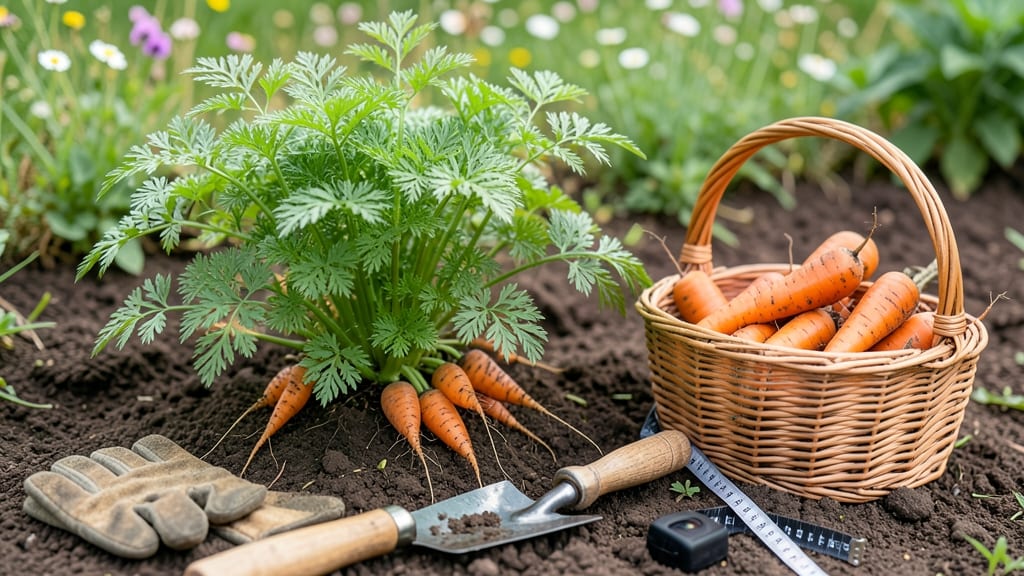
Harvesting carrots at the right time means the difference between tender, sweet roots and tough, woody messes — and the key is knowing how long to harvest carrots before they overmature.
Picture this: you’ve nurtured your 🥕 from seed, watching them grow from tiny sprouts to promising greens, only to pull one too soon and find it barely bigger than a pencil.
Or worse, you wait too long, and the roots split or turn bitter. The secret? A simple soil resistance test that tells you exactly when to dig.
Most carrots reach harvest readiness between 60 and 80 days, depending on the variety, but timing isn’t just about days—it’s about size, color, and that telltale shoulder peeking above the soil.
Below, I’ll walk you through the foolproof way to check, plus how to adjust for your climate and soil type.
You’ll learn how to spot the perfect carrot, when to pull for storage vs. fresh eating, and what happens if you miss the window. No more guesswork—just crisp, flavorful roots every time.


When to harvest carrots: the ultimate soil resistance test explained
Harvesting carrots at the perfect moment transforms your garden into a treasure trove of crisp, sweet roots. But timing is everything—pull them too early, and you'll get tiny, underdeveloped specimens. Wait too long, and they'll turn woody or split.
The key? A simple soil resistance test that reveals when your carrots are ready to eat. I've used this method for years, and it never fails to deliver perfectly sized harvests.
Most carrot varieties take 45 to 80 days to reach harvest readiness, depending on whether you're growing short Danvers types or longer Nantes varieties. While days-to-maturity guides are helpful, they don't account for your specific soil conditions.
That's where the soil resistance test comes in—it's the foolproof way to determine when your carrots have reached their ideal size without guessing.
Before we dive into the test, here's what you'll need: a small hand trowel, a few carrot tops to gently tug on, and your fingers. The process takes just 2 minutes per test and can be done weekly once your carrots have sprouted.
This method works for all carrot varieties, from baby carrots to standard-sized roots.
Select a representative area of your carrot bed—not the edges where growth might differ. Look for plants with 6-12 inch tops (foliage should be lush but not overgrown).
Use your trowel to loosen soil 1-2 inches around one carrot plant. Be careful not to damage the root. The goal is to create a small pocket where you can test resistance.
Gently push your finger into the loosened soil near the carrot root. Apply light pressure—you're not trying to dig it up, just feel the resistance. If the soil feels firm but gives slightly, the carrot is ready.
Ready to harvest: Soil resists slightly but yields to gentle pressure (like pressing into warm butter). Not ready: Soil feels loose or crumbly (carrot still small). Overripe: Soil feels rock-hard (carrot may be woody).
Pull the test carrot and check for:
- 1/2–1.5 inch diameter (standard size)
- Deep orange color (no green shoulders)
- Skin peels easily (sign of maturity)
If the test carrot passes, harvest 3-5 nearby plants immediately. For continuous harvests, test different sections every 3-5 days—carrots in the same bed may mature at slightly different rates.
The soil resistance test works because mature carrots develop a natural firmness that creates resistance in the surrounding soil. When the root reaches its ideal size, it pushes against the soil particles, creating that telltale firmness you feel.
This method is especially valuable for heirloom varieties like Purple Dragon or Black Nebula, where color and texture matter as much as size.
I've found that morning harvests work best because the soil is cooler and more compact after overnight moisture. If you test in the afternoon, the soil may feel slightly looser due to heat expansion.
Always harvest on overcast days or in the shade to prevent the carrots from drying out or developing bitter flavors from sun exposure.
One common mistake gardeners make is waiting until the foliage looks mature before testing. Remember, carrot tops continue growing even after the root reaches harvest size. The soil resistance test focuses on the root's development, not the leaves.
For baby carrots, reduce your pressure test—these varieties are ready when the soil feels very slightly resistant, indicating smaller, tender roots.
After harvesting, store your carrots in the crisp drawer of your refrigerator for up to 3 weeks. For longer storage, trim the greens and store whole in a perforated plastic bag with a damp paper towel to maintain moisture.
The soil resistance test doesn't just help with timing—it also ensures your stored carrots will have that perfect crunch and sweetness you crave.
Pro tip: Keep a harvest journal to track when your carrots reach the ideal resistance. Note your soil type (sandy, loamy, clay) and how it affects resistance levels. Over time, you'll develop an instinct for when your specific carrots are ready, even without testing. Happy harvesting!
Carrot harvesting timeline by variety: days to maturity chart
Not all carrots mature at the same pace—some varieties like Danvers reach harvest readiness in just 60 days, while others like Nantes need up to 80 days. Understanding these timelines helps you plan your garden layout and storage strategies.
Climate also plays a role: cooler temperatures slow growth, while warm seasons speed up maturity. Let's break down the ideal harvest windows for three popular varieties and how to maximize their storage life after pulling.
Soil conditions are just as critical as timing. Sandy loam soils with good drainage and pH 6.0-7.0 ensure even growth and prevent forking. If your soil is rocky or compacted, carrots may mature unevenly or develop misshapen roots.
Always test soil resistance by gently tugging on a carrot—if it resists, it's not ready yet. For longer storage, harvest when roots are firm but still tender, typically when tops reach 6-12 inches tall.
| Variety | Days to Maturity | Ideal Harvest Size | Soil Type | Storage Life |
|---|---|---|---|---|
| Danvers | 60-70 days | 1-1.5 inches diameter | Loose, rocky-free | 3-4 weeks (cool storage) |
| Nantes | 70-80 days | 1.5-2 inches diameter | Deep, sandy loam | 4-5 weeks (cool storage) |
| Chantenay | 65-75 days | 1-1.5 inches diameter | Well-drained clay | 2-3 weeks (cool storage) |
Climate significantly impacts carrot maturity. In cool climates, like USDA Zone 4, carrots may take 10-15 extra days to mature compared to warmer zones like Zone 8. Conversely, in hot regions, some varieties like Danvers might bolt prematurely if not harvested on time.
To extend the season, use row covers in early spring or late fall to moderate temperatures and prevent bolting.
After harvesting, store carrots in cool (32-40°F), humid conditions to preserve freshness.
Wrap them in damp paper towels and place in a perforated plastic bag in the crisper drawer. Nantes varieties store longest due to their thicker skins, while Chantenay carrots, with their tapered shape, are best used within 2-3 weeks for peak texture.
For continuous harvests, consider succession planting every 2-3 weeks in early spring and late summer. This ensures a steady supply of fresh carrots while avoiding overcrowding, which can stunt growth. Always rotate planting locations to prevent soil-borne diseases from affecting future crops.
Remember, the key to perfect carrots lies in timing, soil quality, and climate awareness. By following these guidelines, you'll enjoy crisp, sweet carrots straight from your garden all season long! 🥕