
How To
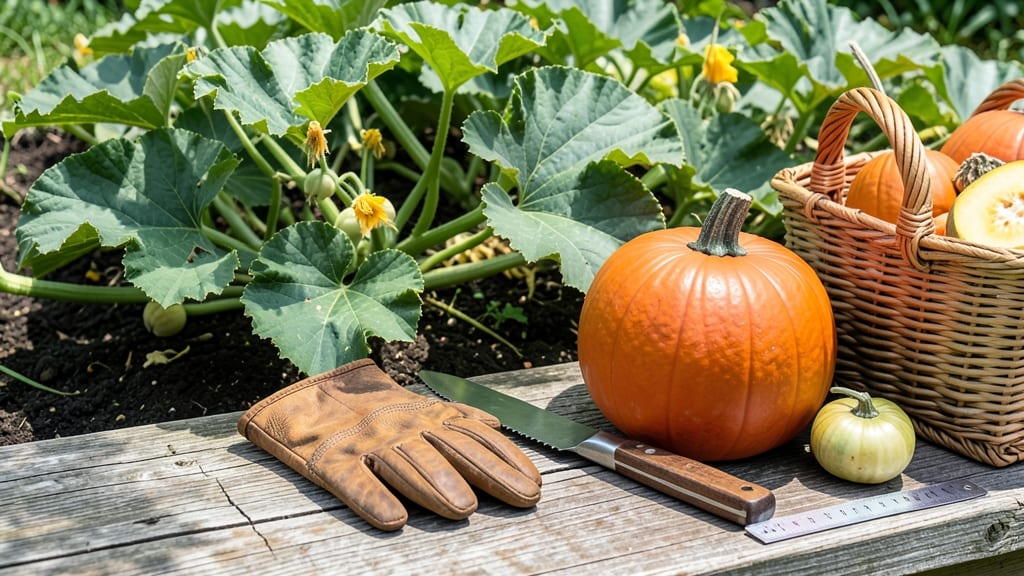
Harvesting pumpkins at the right time ensures perfect flavor and storage life, but knowing how long to wait can be tricky—especially when vines sprawl and colors shift.
Picture this: you’ve nurtured your 🎃 from a tiny seed, and now the fruit is the size of a dinner plate. But is it ready? Rushing too soon means mealy flesh, while waiting too long risks frost damage.
The key lies in three simple cues: stem dryness, rind hardness, and color depth.
Most pumpkins take between 90 and 120 days to reach harvest, but regional frost dates and variety differences mean timing varies. In USDA Zone 6a, for example, early fall frost can force a harvest by late September, while warmer climates might stretch it into October.
Below, I’ll walk you through the exact signs to watch for—plus how to adjust for your local growing season—so you never miss the window for that perfect, vine-ripened pumpkin.


How to use the stem twist test for perfect pumpkin ripeness
Harvesting pumpkins at the right time ensures maximum sweetness and storage life, but many gardeners rely on color alone—a mistake that leads to underripe fruit. The stem twist test is the most reliable method to determine true ripeness, and I’ve used it for years to perfect my harvest timing.
This simple technique saves pumpkins from spoiling too soon or developing bitter flavors.
Why does the stem twist matter? When pumpkins reach maturity, their stems dry out and become woody, making them easier to twist off cleanly. This change signals that the fruit has fully matured and developed its best flavor profile.
Skipping this test often means harvesting too early, which can ruin both taste and shelf life.
The best time to perform the stem twist test is when your pumpkins have reached their expected maturity date (typically 90-120 days after planting) and their rind has begun to harden.
For me, this usually falls in late September, but your timeline may vary based on your growing zone and variety.
Before you begin, gather these tools: a pair of clean pruning shears or a sharp knife, and a small notebook to record your findings. Choose a sunny, dry morning for testing—moisture can make stems appear softer than they really are, leading to false results.
- Select a pumpkin that’s fully grown and shows deep color (though not all varieties turn orange).
- Gently grasp the stem near the pumpkin’s neck with your thumb and forefinger.
- Twist firmly but slowly—it should break cleanly with minimal resistance.
- If the stem twists off easily and leaves a dry, woody stump, your pumpkin is ready to harvest.
- If the stem resists twisting or pulls out with the fruit, it’s not ripe yet—wait 3-5 more days.
- For heirloom varieties, test multiple pumpkins—they often mature at slightly different rates.
What if the stem doesn’t twist at all? This usually means the pumpkin is still growing. Wait another 3-7 days and retest, especially if you’re growing large varieties like Atlantic Giants, which take longer to mature. Patience is key—rushing the harvest can leave you with pumpkins that spoil within weeks.
A successful twist should leave a dry, corky stump about ½ inch wide. If the stump is green or moist, the pumpkin isn’t ready. This is a common mistake even experienced gardeners make, so always double-check before harvesting.
For me, this visual cue is the final confirmation that my pumpkins are perfect for carving or cooking.
After a successful twist, use clean pruning shears to cut the stem about 1 inch above the pumpkin’s neck. This prevents rot from spreading into the fruit.
Handle pumpkins gently—bruises reduce storage life. Let them cure in the sun for 1-2 weeks before storing to develop their full flavor and hardness.
Regional differences matter too. In warmer climates (zones 8-10), pumpkins may ripen earlier, while cooler zones (4-6) might need an extra week. Always adjust your testing schedule based on your local frost dates. For example, in Zone 5, I start testing in mid-September to avoid early frosts.
Pro tip: Test pumpkins every 2-3 days during the final 2-week harvest window. Keep a log of which pumpkins pass the twist test first—this helps you predict next year’s harvest timing.
Over time, you’ll develop an instinct for when your pumpkins are ready, but the stem twist test remains the gold standard.
Pumpkin color guide: what shade means for harvest timing
Pumpkin rind color is one of the most obvious ripeness cues, but not all shades mean the same thing. Most commercial varieties develop a deep orange hue when fully ripe, but heirloom types like Cinderella or White Ghost may stay pale green or white.
Understanding these color patterns helps you avoid harvesting too early or missing the window entirely.
The sunlight exposure of your pumpkins dramatically affects color development. Pumpkins grown in partial shade may never achieve their full bright orange potential, while those basking in full sun develop richer tones.
Even within the same patch, pumpkins facing south will ripen faster and display deeper colors than those on the north side.
Here’s how to interpret pumpkin colors for harvest timing:
For orange varieties, aim for a uniform, deep hue—no streaks of green. If your pumpkins are slow to color up, check for nitrogen-heavy soil, which delays ripening. A light application of potassium-rich fertilizer in late summer can help speed up color development.
Heirloom varieties like White Ghost or Jarrahdale break the rules entirely. Their white or green rinds stay true to their names, even at full ripeness. In these cases, ignore color and focus on the stem twist test and rind hardness instead.
Pro tip: If frost threatens before your pumpkins reach their peak color, harvest them anyway. They’ll continue ripening indoors for 1-2 weeks if stored in a cool, dry place. Just avoid exposing them to direct sunlight, which can cause uneven color changes.