
How To
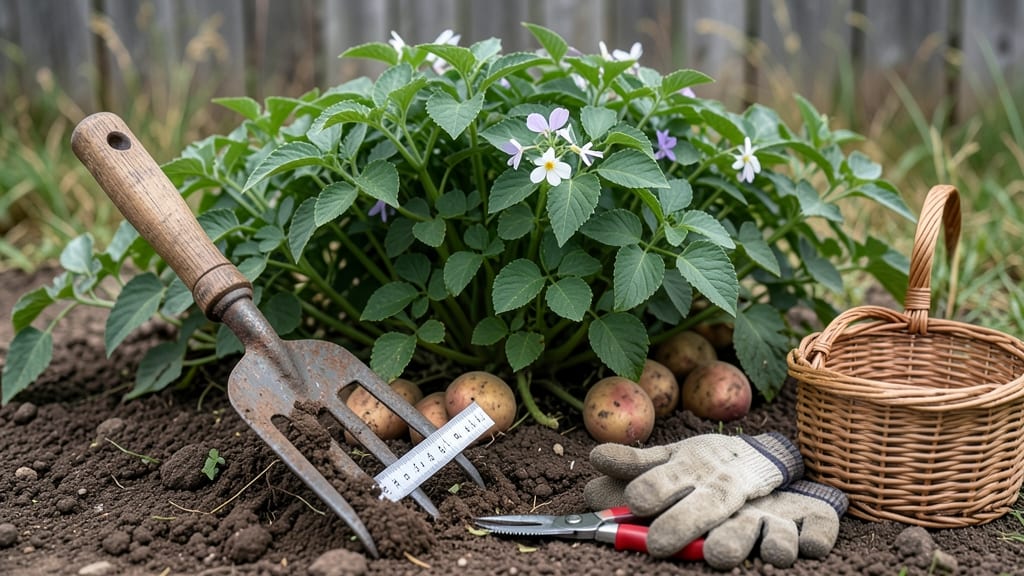
Harvesting potatoes at the right time means the difference between creamy, flavorful tubers and tough, underdeveloped ones—so knowing how many days to harvest potatoes depends on the variety, soil warmth, and a few key visual cues.
If you’ve ever dug up a potato patch only to find small, green spuds or waited too long and ended up with shriveled messes, you’re not alone. The secret lies in watching for yellowing foliage and soil temperatures between 45–55°F—not just counting days.
Most storage varieties take 90–120 days to mature, while new potatoes can be ready in as few as 50–60 days. But timing isn’t just about days—it’s about soil readiness, variety traits, and avoiding common mistakes like harvesting in cold or wet conditions.
Below, I’ll break down the exact signs to watch for, how soil temperature shifts your harvest window, and whether to cure your potatoes for storage—or enjoy them fresh from the earth.

Potato harvest timing by days after planting: variety-specific guide
Timing your potato harvest correctly ensures you enjoy flavorful, perfectly sized tubers instead of underdeveloped or over-mature spuds.
Most varieties take between 60 to 120 days to reach harvest readiness, but this varies dramatically depending on the type—whether you're growing new potatoes, red-skinned varieties, or storage potatoes like russets. Understanding these differences helps you plan for both early and late harvests.
For example, Yukon Gold potatoes typically mature in 80 to 90 days, while Kennebec potatoes (great for storage) need 100 to 120 days.
Even within the same variety, factors like soil temperature, daylight hours, and water availability can shift your harvest window by up to 2 weeks. Paying attention to flowering cues and foliage changes is key to avoiding missed harvests.
Visual cues like wilted flowers and yellowing leaves are your best friends. Most potatoes are ready when 50-75% of the foliage has turned yellow and died back, but new potatoes can be harvested as early as 50 days when tubers are 1-2 inches in diameter. Below, I’ve broken down the days to harvest for common varieties so you can plan like a pro.
| Variety | Days to Harvest | Harvest Window | Best For |
|---|---|---|---|
| Red Pontiac | 85-95 days | Late July - Early August | Storage, boiling |
| Yukon Gold | 80-90 days | Mid-July - Late July | Roasting, mashed potatoes |
| Russian Banana | 60-70 days | Early June - Mid-July | New potatoes, salads |
| Purple Viking | 90-100 days | Late July - Early August | Storage, aesthetic appeal |
| Kennebec | 100-120 days | Late August - September | Long-term storage, frying |
| Fingerling (e.g., French Fingerling) | 70-80 days | Mid-July - Early August | New potatoes, roasting |
If you're growing new potatoes, you can start harvesting as early as 50 days once the tubers are 1-2 inches in diameter. These are best enjoyed fresh and won’t store well, so plan to use them immediately.
For storage varieties like russets or Kennebecs, wait until the foliage has completely died back and the skin is rough and dry. This usually happens 10-14 days after flowering for most varieties.
For early harvests, like with Russian Banana potatoes, you can gently dig around the plant at 60 days to check tuber size. If they’re ready, you can keep harvesting every 1-2 weeks for a steady supply.
For late harvests, avoid digging until the soil temperature drops below 50°F, as cold soil can cause tubers to develop scald or rot. Always harvest on a dry, sunny day to speed up curing.
One common mistake is harvesting too late, which can lead to shriveled, tough potatoes. If you see green sprouts on the tubers, this indicates exposure to light, which produces toxic solanine.
To avoid this, always harvest before the greening starts and store potatoes in a cool, dark place with high humidity. For long-term storage, cure potatoes at <
How soil temperature affects potato harvest timing (and when to stop digging)
Soil temperature plays a critical role in determining when to harvest potatoes—because tubers only mature properly when the ground is warm enough. If you’ve ever dug up small, green potatoes or waited too long for shriveled tubers, chances are your soil wasn’t at the ideal 45–55°F range.
Cold soil slows growth, while heat accelerates it, shifting your harvest window by weeks.
Most gardeners focus on days to maturity, but soil temperature adjusts that timeline dramatically. For example, russet potatoes planted in 50°F soil may take 10–14 days longer to reach harvest readiness than those in 60°F soil.
The key is monitoring both foliage cues (yellowing, wilting) and soil warmth—never just counting days.
To test soil readiness, use a soil thermometer inserted 6 inches deep (where tubers grow). If temperatures dip below 45°F, growth stalls, and tubers stay small. Conversely, soil above 60°F can cause skin blemishes or uneven maturation. The sweet spot? Consistent 45–55°F for 4–6 weeks before harvest.
Common mistakes like harvesting in wet or cold soil (below 40°F) lead to rot or poor storage life. Always wait for dry, warm conditions—even if foliage is yellowing.
Dig only when soil is crumbly and dry, not muddy. Pro tip: Harvest on a sunny afternoon to let tubers dry slightly before curing.
For new potatoes (harvested early), soil temp matters less—just dig when tubers are 1–2 inches wide (usually 50–60 days after planting). But for storage varieties, soil warmth is non-negotiable.
If your region has cool springs, opt for early-maturing varieties like ‘Yukon Gold’ (90 days) over ‘Russet Burbank’ (120 days).
Stop digging when foliage fully yellows and dies back—this signals tubers have reached peak starch content. But if frost threatens, harvest 2 weeks early to avoid frost damage to tubers. Always cure potatoes (45–55°F, 70–80% humidity) for 1–2 weeks post-harvest to develop protective skins and extend storage life.