
How To
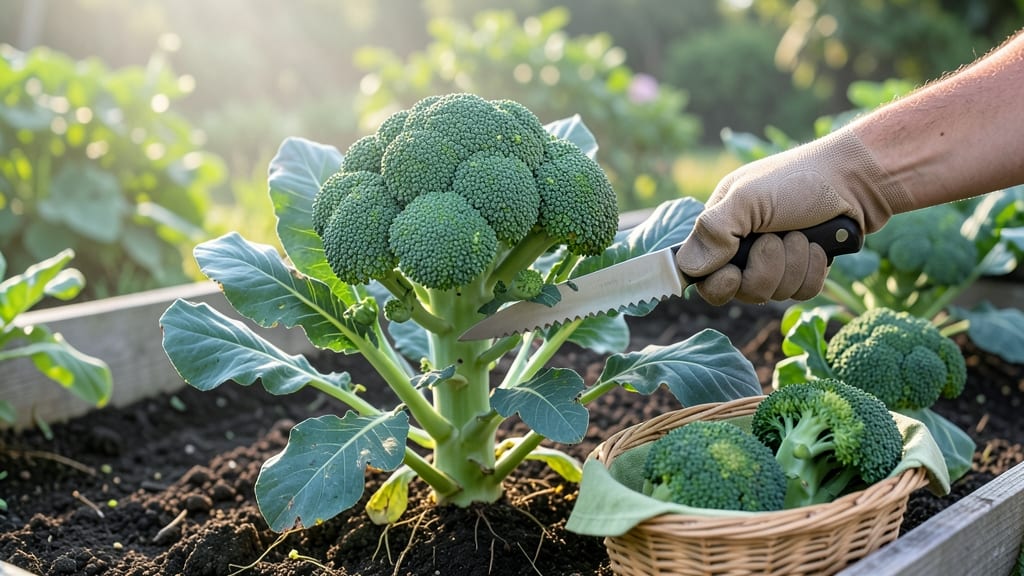
You can harvest broccoli three or more times per season using the right cut-and-come-again technique — and it all starts with timing your cuts just right.
Did you know your 🥦 broccoli plant can bounce back like a champ if you snip the main head at the right height and give it the care it needs?
Most gardeners stop after the first harvest, but with a few simple tricks, you can stretch that into a steady supply all season long.
The secret lies in cutting side shoots as they form and feeding the plant just enough to keep it producing. Too much fertilizer or too little water, and you’ll stall regrowth — but get it right, and you’ll be harvesting well into fall.
In this guide, I’ll walk you through exactly when to cut, how to spot the perfect side shoots, and what to do when the plant finally calls it quits. Ready to turn one harvest into three?


How many times broccoli regrows after harvesting: the science behind cut-and-come-again
Broccoli's ability to regrow after harvesting might surprise many gardeners. The secret lies in the plant's axillary buds—those hidden growth points along the main stem. When you harvest the central head, the plant redirects its energy to these buds, producing side shoots that can become new harvestable heads.
This process, called cut-and-come-again, allows you to get 2-3 harvests per plant in a single growing season.
Understanding broccoli's growth stages is key. After the main head forms, the plant enters a vegetative recovery phase where it focuses on regenerating. This phase lasts about 3-4 weeks before side shoots appear.
The timing of your harvest and post-harvest care directly impact how many times your broccoli will regrow successfully.
Did you know? Broccoli belongs to the Brassica oleracea family, which includes other regrowth-friendly vegetables like kale and cabbage. Their shared biology means similar regrowth techniques apply across these crops. The cut-and-come-again method isn't just efficient—it's a game-changer for small gardens where space is limited.
| Harvest Stage | Regrowth Potential | Timeframe | Key Indicators |
|---|---|---|---|
| Main Head Harvest | Side shoots (1st regrowth) | 3-4 weeks | Cut 6" below head; leave 2-3" stem |
| First Side Shoot Harvest | Smaller side shoots (2nd regrowth) | 4-6 weeks | Harvest when 3-4" diameter; yellowing indicates readiness |
| Second Side Shoot Harvest | Minimal regrowth (3rd attempt) | 6-8 weeks | Shoots may be small; prioritize nutrients for quality |
| Stop Harvesting | None | After flowering | Yellow flowers signal end of regrowth cycle |
The biological trigger for regrowth starts when you cut the main head. This action removes the plant's primary energy sink, forcing it to redirect resources to axillary meristems (growth points) along the stem.
These meristems swell into side shoots within 3-4 weeks, provided the plant receives adequate nutrients and sunlight. Think of it like pruning a bush—removing the top encourages bushier growth.
One common misconception is that broccoli will regrow indefinitely. In reality, each harvest weakens the plant slightly. After the second harvest, side shoots become smaller and less productive. By the third attempt, the plant may only produce tiny shoots or bolt (flower) prematurely.
This is why timing your harvests is crucial—aim to harvest before the plant diverts energy to flowering.
To maximize regrowth, focus on three critical factors: cutting technique, post-harvest care, and nutrient management. Always cut the main head 6 inches below the base—this exposes more axillary buds to sunlight and encourages stronger side shoots.
Leave a 2-3 inch stem to support regrowth. After harvesting, water deeply and fertilize with a balanced 10-10-10 NPK to replenish lost nutrients.
The size of your broccoli head at harvest also affects regrowth. If you harvest too early (small heads), the plant may not have stored enough energy to produce robust side shoots. Conversely, harvesting too late (when florets start opening) reduces the plant's ability to regenerate.
Aim for heads that are 4-8 inches in diameter with tightly packed florets—this balance ensures both a good main harvest and strong regrowth potential.
Seasonal timing plays a role too. In cool climates (USDA Zones 3-7), broccoli regrows best when planted in early spring or late summer. The 60-70°F temperature range is ideal for regrowth.
If temperatures rise above 80°F, the plant may bolt (flower) prematurely, ending the regrowth cycle. In warmer zones, opt for heat-tolerant varieties like 'De Cicco' or 'Calabrese' to extend the growing season.
Watch for visual cues that indicate whether regrowth is on track. Healthy side shoots should emerge within 3-4 weeks after the main harvest. They'll start as small buds near the stem's base and grow rapidly if conditions are right.
If shoots appear stunted or yellow, it's often a sign of nutrient deficiency (add compost) or overcrowding (thin plants).
For gardeners in container gardens, broccoli regrowth is still possible but requires extra care. Use pots that are at least 12 inches deep and 18 inches wide to accommodate the plant's root system and side shoots. Container-grown broccoli may produce 1-2 harvest
Step-by-step guide to maximizing broccoli regrowth harvests
Broccoli plants are like the gift that keeps on giving—if you know how to encourage them! With the right cut-and-come-again technique, you can harvest 2 to 3 times per plant during the growing season.
The key lies in timing your cuts, providing proper post-harvest care, and maintaining optimal soil conditions. Let’s break down how to coax your broccoli into producing multiple harvests without sacrificing plant health.
First, understand that broccoli regrowth relies on the plant’s ability to redirect energy from the main head to side shoots. After harvesting the primary head, the plant will focus on producing smaller, but still edible, secondary shoots along the stem.
These side shoots typically appear within 3 to 4 weeks if conditions are right. To maximize regrowth, you’ll need to act quickly, provide nutrients, and avoid common pitfalls like overwatering or nutrient depletion.
Step-by-Step Guide to Harvesting Broccoli for Regrowth
- Step 1: Harvest the Main Head
Cut the primary head when it reaches 4-8 inches in diameter, leaving 2-3 inches of stem attached. Use a sharp knife or pruners to avoid damaging the plant. - Step 2: Wait for Side Shoots
After harvesting, wait 3 to 4 weeks for side shoots (smaller heads) to form along the stem. These shoots will grow from the leaf axils. - Step 3: Harvest Side Shoots
Harvest each side shoot when it reaches 2-3 inches in diameter. Cut just above the leaf where the shoot emerges to encourage more growth. - Step 4: Fertilize Lightly
Apply a balanced fertilizer (10-10-10) 1 week after harvesting the main head. Use 1 tbsp per plant to support regrowth without overfeeding. - Step 5: Monitor Watering
Keep soil consistently moist but not waterlogged. Broccoli needs 1-1.5 inches of water per week, especially during hot weather. - Step 6: Repeat for 2-3 Harvests
Continue harvesting side shoots as they mature. Stop harvesting when the plant starts producing yellow flowers or bolts, signaling the end of its productive cycle.
One of the biggest mistakes gardeners make is harvesting too late. If you wait until the main head starts to yellow or flower, the plant will shift its energy toward seed production rather than regrowth.
Always aim to harvest when the head is firm, dark green, and compact. This ensures the plant has enough energy to produce side shoots.
To keep your broccoli thriving, focus on soil health and nutrient balance. Before planting, amend your soil with compost or well-rotted manure to provide a steady supply of organic matter.
During the growing season, side-dress with compost every 4-6 weeks to replenish nutrients. Avoid heavy nitrogen fertilizers, which can lead to excessive leafy growth at the expense of side shoots.
Seasonal adjustments are also crucial. In hot climates, broccoli may bolt (go to seed) quickly, so opt for shade cloth or succession planting to extend the harvest window. In cooler regions, focus on spring and fall plantings to avoid summer heat stress.
If your broccoli struggles to regrow, check for pests like cabbage worms or diseases like clubroot, which can weaken the plant and reduce yield.
With these steps, you’ll transform a single broccoli plant into a multi-harvest powerhouse, giving you fresh veggies for weeks instead of days. Happy harvesting—and enjoy those homegrown savings!