
How To
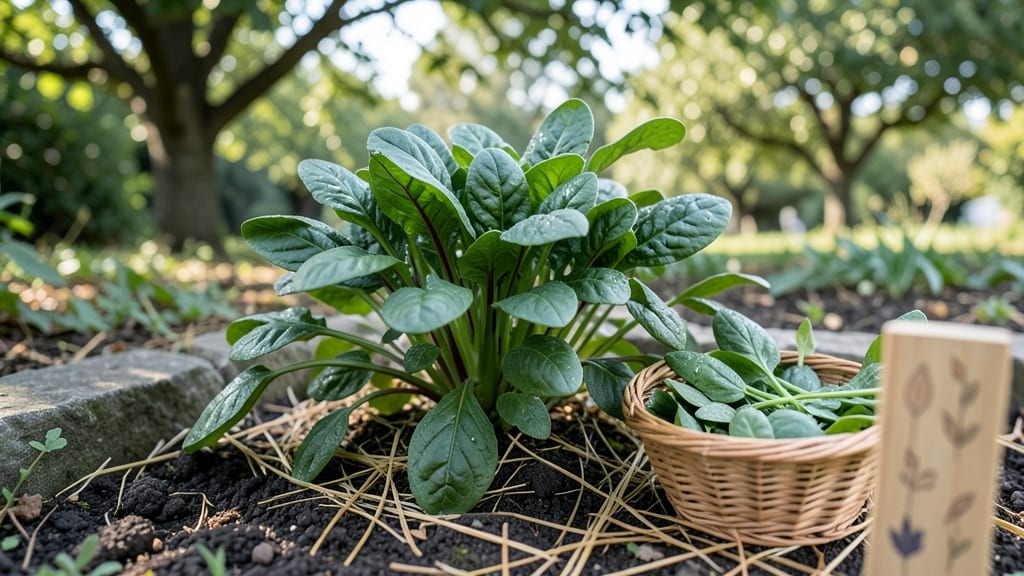
You can harvest spinach three to five times in a season using the cut-and-come-again method, turning a single planting into a steady supply of fresh greens.
Picture this: instead of pulling up your entire spinach patch at once, you snip just the outer leaves, leaving the center to regrow. That’s how you stretch your harvest window from early spring to late fall—no replanting required.
But timing and technique matter. Harvest too much too soon, and you’ll stunt regrowth. Skip the right steps, and your spinach bolts before you get a second bite. I’ll walk you through the exact method to maximize yields without sacrificing plant health.
From choosing the right varieties to recognizing when your spinach is begging for a break, you’ll learn how to turn your garden into a leafy-green factory—without the guesswork.


How often can you harvest spinach using the cut-and-come-again method?
The cut-and-come-again method transforms spinach from a one-time harvest crop into a continuous producer, but success depends on understanding your spinach variety and seasonal conditions.
Baby leaf varieties like 'Baby's Leaf Hybrid' can yield 4-5 harvests in a season, while mature leaf types such as 'Bloomsdale Long Standing' typically provide 3-4 harvests. The key lies in timing—harvesting too early stunts regrowth, while waiting too long risks bolting (flowering).
For optimal regrowth, focus on leaf size and plant health rather than rigid schedules. In cool climates (USDA Zones 3-7), you can harvest every 2-3 weeks during spring and fall, while summer heat may slow regrowth to 4-6 weeks between cuts.
Always leave 3-4 healthy leaves on the plant to fuel regrowth—this ensures the plant can recover and produce new growth.
Here’s how to maximize your harvests with precision timing and variety-specific strategies:
Harvest every 2-3 weeks for 4-5 harvests per season. Cut leaves when they reach 2-3 inches long—this encourages dense regrowth. Ideal for spring and fall plantings.
Harvest every 3-4 weeks for 3-4 harvests per season. Wait until leaves are 4-6 inches long and deep green. Best for cool-season harvests.
Harvest once for full bunches or use cut-and-come-again for 2-3 harvests if you trim outer leaves only. Avoid cutting the central stem—this kills the plant.
Spring/Fall: 2-3 week intervals (cool temps = faster regrowth). Summer: 4-6 week intervals (heat slows recovery). Always mulch to retain moisture and fertilize lightly after each harvest.
Stop harvesting if leaves turn yellow or bitter, stems become woody, or the plant bolts (flowering stems appear). These are stress signals—let the plant recover for 6-8 weeks.
The cut-and-come-again method works best when you prioritize leaf health over quantity. For example, if you’re growing 'Space' spinach (a semi-savoy type), aim to harvest every 3 weeks in spring but extend this to 5-6 weeks during summer’s peak heat.
Always use clean, sharp scissors to avoid damaging stems, and harvest outer leaves first to protect the plant’s growth center.
In container gardens, spinach may regrow 1-2 fewer times than in-ground plants due to limited root space. To compensate, use larger pots (12+ inches wide) and fertilize with a balanced 10-10-10 mix every 4 weeks.
Containers also dry out faster, so check soil moisture daily during hot spells—wilting leaves won’t recover, even if you stop harvesting.
One common mistake is over-harvesting in early spring. Young spinach plants are delicate, and removing too many leaves can stunt growth permanently. Start with 10-15% of the plant’s foliage in your first harvest, then increase to 25-30% as the plant matures.
If your spinach bolts prematurely (sends up a flowering stalk), it’s often a sign of heat stress or drought—provide afternoon shade and consistent water to prevent this.
For organic gardeners, companion planting can boost regrowth. Pair spinach with radishes or lettuce to shade roots and retain moisture, or interplant with bush beans to fix nitrogen in the soil. Avoid planting near tomatoes or celery, as they compete for nutrients and can stress spinach plants.
A thin layer of straw mulch (1-2 inches) also helps regulate soil temperature and reduces weeds, which can double your harvest frequency in ideal conditions.
To extend your spinach’s productive life, consider successive plantings. Sow new seeds every 2 weeks
Step-by-step guide to harvesting spinach without killing the plant
Harvesting spinach the right way is the key to enjoying three, four, or even five harvests from a single planting. The trick lies in using the cut-and-come-again method, which encourages regrowth while keeping your plants healthy and productive.
Unlike harvesting all leaves at once—known as a bunch harvest—this technique lets you pick leaves selectively, giving your spinach time to recover and produce more.
Before you start, gather your tools: a sharp pair of scissors or pruning shears, a clean basket, and gardening gloves to protect your hands. The right tools make all the difference in avoiding damage to the plant and ensuring clean cuts that heal quickly.
Always work on a dry morning when leaves are crisp and less prone to tearing.
⚠️ callout-warning
Spinach can be harvested 3-5 times in a season, but each cut should never remove more than one-third of the plant. Over-harvesting weakens the plant, stunts regrowth, and can even kill it. Always prioritize outer leaves first—they’re larger and ready to harvest, leaving the inner, younger leaves to grow.
Start by identifying the outer leaves of your spinach plant—they’re the largest and most mature. Using your sharp scissors, cut the leaf just above a set of new leaves or a leaf node. This ensures the plant has energy to regrow from the remaining stem.
Avoid cutting into the main stem or the center rosette, as this can damage the plant’s growth point and reduce future harvests.
For baby leaf spinach, you can harvest individual leaves as soon as they reach 2-3 inches in length. Simply pinch or cut them at the base, leaving the rest of the plant intact.
This method is perfect for container gardening or small spaces, as it allows for frequent, light harvests without stressing the plant. Always leave at least half the plant untouched to ensure regrowth.
After harvesting, give your spinach some post-harvest care to encourage regrowth. Water the plant deeply to replenish moisture lost during harvest, and apply a light layer of compost or balanced fertilizer (like 10-10-10) to provide nutrients.
Mulch around the base to retain moisture and protect the soil from drying out. Within 7-10 days, you should see new growth emerging from the center of the plant.
Watch for signs of stress or over-harvesting, such as yellowing leaves, stunted growth, or woody stems. These are red flags that you’re harvesting too aggressively. If you notice these symptoms, reduce your harvest frequency and focus on letting the plant recover.
With proper care, your spinach can continue producing for weeks or even months, giving you a steady supply of fresh greens.